TRANSPORTATION SERVICES PROVIDER IN NEW JERSEY
By Fatumata Kaba · 2025-09-04 · 5 min read
How Can You Become a Medicaid-Approved Transportation Services Provider in New Jersey?
To become a Medicaid-approved transportation services provider in New Jersey, an agency must formally enroll through the New Jersey Medicaid Provider Enrollment Portal and demonstrate compliance with state-mandated safety, operational, and clinical standards. This process requires a robust integration of business registration, vehicle certification through the New Jersey Motor Vehicle Commission (MVC), and adherence to the person-centered planning protocols required by the Department of Human Services (DHS) and the Division of Medical Assistance and Health Services (DMAHS).
Transportation services function as a critical link in the Home and Community-Based Services (HCBS) framework. By facilitating access to non-emergency medical appointments, vocational training, and community engagement, providers act as essential partners in the state's efforts to promote participant independence. Navigating the transition from an operational transportation business to a Medicaid-authorized service provider requires strict adherence to federal and state guidelines regarding documentation, driver credentialing, and billing integrity.
What Are the Governing Bodies and Regulatory Standards for NEMT?
The regulatory landscape for New Jersey transportation providers is overseen by a trifecta of state and federal agencies. The New Jersey Department of Human Services (DHS) serves as the primary administrator, managing the allocation of Medicaid waiver funding and overseeing the enrollment of providers who wish to participate in the HCBS ecosystem. Working in tandem, the Division of Medical Assistance and Health Services (DMAHS) maintains rigorous quality standards, ensuring that transportation services are delivered consistently and in compliance with the service authorizations dictated by Individualized Service Plans (ISPs).
At the federal level, the Centers for Medicare & Medicaid Services (CMS) provides the overarching regulatory framework. CMS guidelines emphasize the necessity of person-centered planning, ensuring that transportation providers uphold participant rights, safety protections, and accessibility requirements. Providers must remain cognizant of these layered requirements, as compliance is evaluated during both the initial enrollment phase and subsequent audits to ensure that the services provided effectively bridge the gap between participants and their essential healthcare and social support networks.
How Do You Structure Your Service Offerings for Medicaid Compliance?
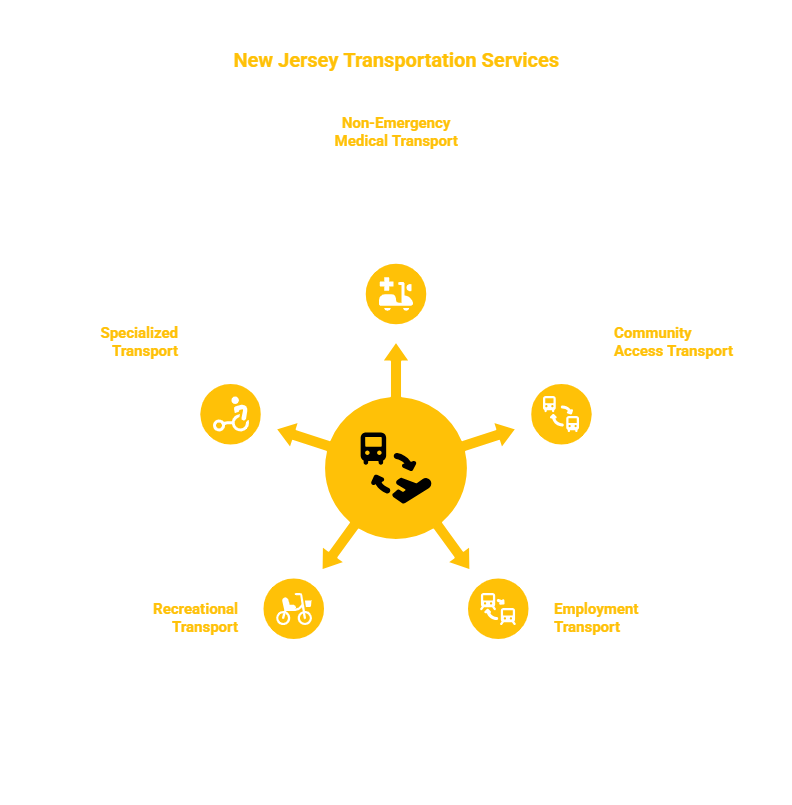
Approved transportation providers must offer a range of services tailored to the specific needs of the Medicaid population. These offerings go beyond simple point-to-point transit, often requiring specialized equipment and enhanced support levels to accommodate diverse mobility challenges. Providers typically categorize their services into several distinct areas of support, each tied to the clinical or social necessity of the participant.
- Non-Emergency Medical Transportation (NEMT): Dedicated transit for participants to attend doctor visits, physical therapies, and routine medical screenings.
- Community Access and Vocational Transportation: Facilitating travel to community centers, support groups, social events, and work-related environments.
- Specialized Transport and Assistance: Providing door-to-door service using vehicles fully equipped with wheelchair lifts, restraints, and accessible seating configurations.
- Escort and Companion Services: Ensuring that participants who require physical or emotional support during travel have a trained aide present throughout the journey.
What Are the Essential Requirements for Provider Approval?
The path to authorization begins with formalizing the business entity and establishing professional credentials. Before submitting an application to the New Jersey Medicaid Provider Enrollment Portal, a business must obtain its Employer Identification Number (EIN) from the IRS and a Type 2 National Provider Identifier (NPI). These identifiers are the foundation of all billing and reporting activities within the Medicaid system.
Beyond the administrative paperwork, providers must meet operational prerequisites set by the New Jersey Motor Vehicle Commission (MVC). This includes securing all necessary permits for commercial transport and maintaining comprehensive insurance portfolios. A provider’s insurance coverage must be robust, typically including general liability, professional liability, and specialized vehicle coverage. Furthermore, agencies must develop an internal policy framework that addresses passenger safety, vehicle maintenance schedules, and formal background check procedures for all personnel involved in service delivery.
How Is the Enrollment Process Sequenced?
The enrollment timeline follows a structured sequence designed to verify that the provider is fully equipped to deliver high-quality services. The process begins with the initial application submitted through the state portal, where all business documentation—such as Articles of Incorporation and insurance certificates—must be uploaded for review. Once the administrative data is validated, the program moves into a readiness review phase.
During the readiness review, DHS and DMAHS conduct a thorough assessment of the agency's operational capacity. This includes an evaluation of the provider's written Policy & Procedure Manual, which must detail everything from trip scheduling and route planning to incident management and HIPAA compliance. If the agency meets these standards, they are granted formal approval, enabling them to begin using the designated billing codes to request reimbursement for services rendered to waiver participants.
What Staffing and Documentation Standards Must Be Maintained?
Operational excellence in transportation services relies heavily on staff competence and meticulous record-keeping. The Transportation Program Director is responsible for the overall compliance of the agency, requiring a background in administration and logistics. Drivers and transportation aides must undergo rigorous credentialing, including health screenings, defensive driving training, and CPR/First Aid certification. All staff members must also be trained in the nuances of passenger assistance and the protection of client health information.
- Documentation Standards: Agencies must maintain detailed trip logs, billing records, and compliance tracking that account for every mile and service provided.
- Safety Protocols: Regular vehicle inspections, cleanliness logs, and maintenance records are mandatory to ensure passenger safety.
- Incident Management: Clear procedures for emergency preparedness, accident reporting, and grievance handling must be documented and accessible to all staff members.
Frequently Asked Questions
Which Medicaid waiver programs cover transportation services in New Jersey?
Transportation services are available under several New Jersey Medicaid waivers, including the Community Care Program for the Elderly and Disabled (CCPED), the Supports Program Waiver, the Acquired Brain Injury (ABI) Waiver, the Personal Care Assistant (PCA) Waiver, and the general Home and Community-Based Services (HCBS) Waiver.
What is the typical timeline for launching a transportation agency?
The total timeline is approximately 6 to 9 months, consisting of phases for business formation (1–2 months), staff and program development (2–3 months), the Medicaid enrollment and readiness review (60–90 days), and final billing setup (30–45 days).
Are there specific insurance requirements for transportation providers?
Yes, providers must maintain comprehensive coverage including general liability, professional liability, and specific vehicle insurance. These policies must be active and documented during the provider enrollment and program readiness review phases.
Key Takeaways for Prospective Providers
Successfully launching a Medicaid transportation service in New Jersey requires a strategic focus on regulatory alignment, operational safety, and administrative precision. By systematically addressing the requirements set forth by DHS, DMAHS, and the MVC, agencies can ensure they are well-positioned to serve participants within the HCBS waiver programs. Success hinges on the consistent application of safety protocols, thorough documentation of all services, and a commitment to the person-centered values that define the Medicaid transportation experience.
Last verified: October 2023. Disclaimer: This article is for informational purposes only and does not constitute legal or professional advice. Requirements for Medicaid provider enrollment are subject to change. Always refer to the official New Jersey Department of Human Services (DHS) and Centers for Medicare & Medicaid Services (CMS) websites for the most current regulatory information and application guidance.