TRANSPORTATION SERVICES PROVIDER IN MISSOURI
By Fatumata Kaba · 2025-08-07 · 5 min read
PROVIDING RELIABLE, SAFE, AND ACCESSIBLE TRANSPORTATION FOR INDIVIDUALS WITH DISABILITIES OR MOBILITY CHALLENGES
Transportation Services in Missouri serve as a vital link for individuals with disabilities, chronic health conditions, or significant mobility challenges, ensuring they maintain access to essential healthcare, community resources, and social participation. These services, offered under various Home and Community-Based Services (HCBS) Waivers, are structured to foster independence and improve overall quality of life for Medicaid participants by providing specialized, reliable, and person-centered mobility solutions.
Navigating the Regulatory Framework and Governing Agencies
The provision of transportation services under Missouri’s HCBS programs requires adherence to a multifaceted regulatory environment. Multiple state and federal agencies oversee the intersection of Medicaid funding, safety standards, and program compliance. Success as a provider necessitates a clear understanding of the specific roles these entities play in the authorization and monitoring of transportation services.
The Missouri Department of Health and Senior Services (DHSS) is primarily responsible for the administration of the HCBS Waiver programs. Simultaneously, the Missouri Department of Social Services (DSS) manages the critical functions of Medicaid provider enrollment and service authorization. On the operational and safety front, the Missouri Department of Transportation (MoDOT) dictates the regulatory landscape for passenger transportation providers, ensuring that all vehicles and drivers meet rigorous safety standards. Finally, the Centers for Medicare & Medicaid Services (CMS) provides the overarching federal framework, ensuring that Missouri’s waiver programs remain in compliance with national standards.
- DHSS: Administers Medicaid and HCBS Waiver programs.
- DSS: Oversees provider enrollment and service authorization.
- MoDOT: Regulates passenger transportation providers and safety standards.
- CMS: Provides federal oversight and ensures waiver compliance.
Defining the Scope of Transportation Services
Transportation services are not a "one-size-fits-all" offering; they are uniquely tailored to the needs of the individual as documented in their Individual Service Plan (ISP) or Person-Centered Plan (PCP). Providers must be equipped to offer more than simple point-to-point transit, often requiring specialized equipment and skilled personnel capable of assisting individuals with varying levels of physical and cognitive support needs.
Essential service offerings typically include non-emergency medical transportation (NEMT) to facilitate consistent attendance at recurring medical appointments, as well as community-based transportation for social, recreational, or essential life activities. Because these participants often rely on specialized equipment, providers must ensure their fleet is fully ADA-compliant, offering wheelchair accessibility and appropriate restraint systems. Furthermore, effective service delivery requires professional driver assistance, escort services, and sophisticated route planning to ensure efficiency and safety.
Establishing the Business and Meeting Provider Prerequisites
Before an agency can begin billing for Medicaid services, it must satisfy a sequence of administrative and operational requirements. The initial phase involves the formal registration of the business entity with the Missouri Secretary of State, followed by obtaining an Employer Identification Number (EIN) from the IRS and a Type 2 National Provider Identifier (NPI). These foundational steps provide the legal and organizational identity required for government contracting.
Once established, the provider must navigate the technical requirements of the Missouri Department of Social Services. This involves a formal application process where the provider demonstrates its capacity to deliver services according to state guidelines. Simultaneously, obtaining a Passenger Transportation License from MoDOT is mandatory. This license serves as proof that the provider has established legitimate operations, possesses the necessary liability insurance, and maintains the vehicle safety documentation required to transport vulnerable populations across the state.
The Medicaid Provider Enrollment Roadmap
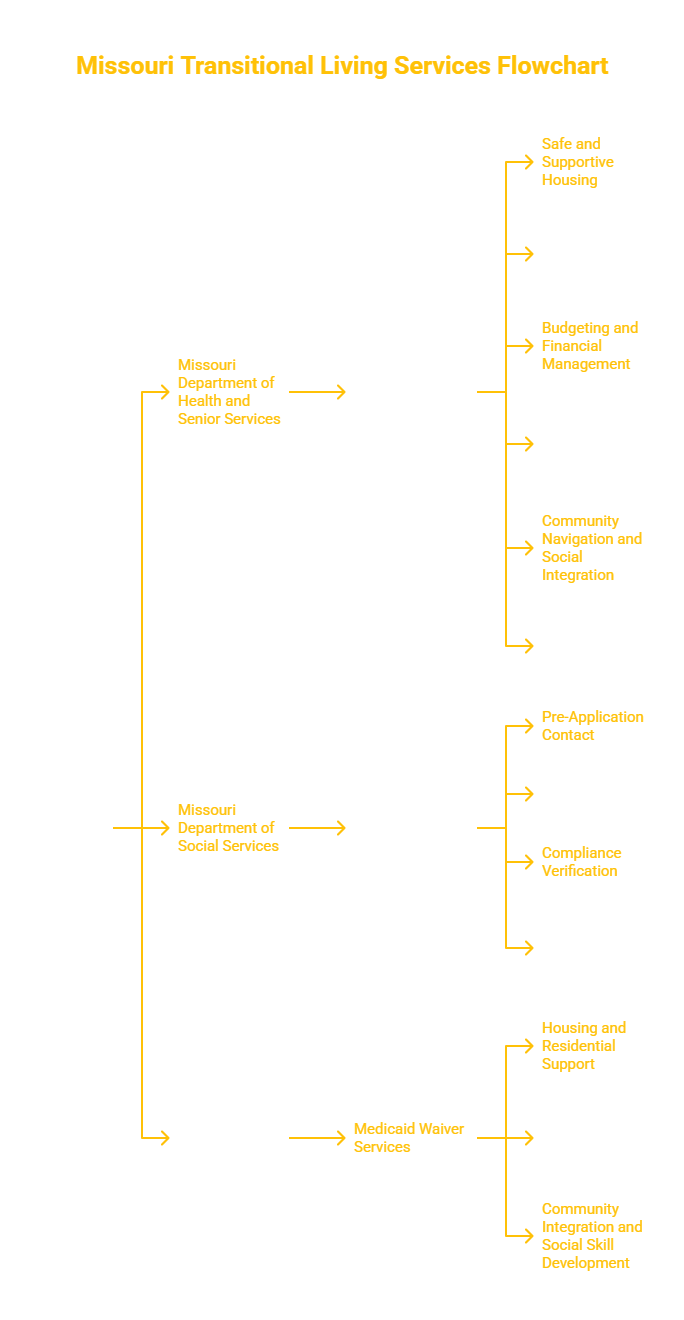
The path to becoming an approved Medicaid provider is a structured, multi-step process that demands attention to detail and rigorous record-keeping. The journey begins with a pre-application contact with the Missouri Department of Social Services to confirm that the agency meets the current threshold for provider requirements. This proactive step helps clarify local nuances that may impact the approval timeline.
Following the initial contact, the agency must submit a comprehensive application packet. This includes business registration documents, the MoDOT-issued transportation license, evidence of robust liability insurance, and a detailed description of the services offered. The state then conducts a compliance verification to ensure that all internal policies meet state and federal safety benchmarks. Upon successful verification, the agency is issued a Medicaid provider number, which serves as the authorization key for delivering and billing services under the waiver programs.
Staffing, Training, and Operational Documentation
Operational success hinges on the quality of staff and the integrity of the organization’s internal policies. The Transportation Program Manager must possess demonstrable experience in logistics, transportation coordination, or community mobility planning to handle the complexities of daily scheduling and regulatory compliance. Drivers and transportation aides must hold a valid driver’s license with the appropriate passenger endorsement, possess current CPR/First Aid certification, and pass comprehensive background checks to ensure participant safety.
Training programs must be continuous and thorough, covering defensive driving, vehicle safety, ADA compliance, and appropriate client interaction. The organization’s policy and procedure manual serves as the backbone of the operation, containing detailed protocols for vehicle maintenance, emergency response, incident reporting, and the systematic assessment of client transportation needs.
- Policy Manual: Must include driver training, maintenance logs, and emergency protocols.
- Training Focus: Defensive driving, mobility assistance, and HIPAA-compliant client interaction.
- Documentation: Rigorous maintenance of trip logs and vehicle inspection records is mandatory for audits.
Frequently Asked Questions
What types of waivers cover transportation services in Missouri?
Transportation services are primarily available under the Aged and Disabled Waiver (ADW), the Independent Living Waiver, and the Medically Fragile Adult Waiver.
How long should a new agency expect the enrollment process to take?
The Medicaid provider enrollment process generally takes between 60 to 90 days, though this can vary based on the completeness of the initial application and current state processing volumes.
Are specific vehicle safety standards mandated by the state?
Yes, all vehicles must be maintained according to state and federal safety standards, which are verified by the Missouri Department of Transportation during the licensing process. This includes regular inspections and the use of ADA-compliant equipment where required.
Key Takeaway
Launching a transportation services provider in Missouri requires a strategic approach that balances administrative rigor, strict adherence to state safety regulations, and a commitment to person-centered care. By aligning business operations with the guidelines set forth by the DHSS, DSS, and MoDOT, agencies can establish sustainable programs that fill a critical gap in the lives of individuals enrolled in Missouri’s HCBS waiver programs.
Last verified: 2024. The information provided herein is for educational purposes only and does not constitute legal or financial advice. Regulations governing Missouri Medicaid HCBS programs are subject to change; please consult with the Missouri Department of Social Services or a qualified professional for the most current requirements and statutes.