TRANSPORTATION ASSISTANCE SERVICES PROVIDER IN KANSAS
By Fatumata Kaba · 2025-07-24 · 5 min read
ENSURING ACCESS TO MEDICAL, THERAPEUTIC, AND COMMUNITY SUPPORT SERVICES THROUGH RELIABLE, SAFE TRANSPORT
Transportation Assistance Services in Kansas provide a vital link for individuals with disabilities, chronic conditions, or age-related limitations, ensuring they can access essential healthcare, therapy appointments, and community-based support services. These services are facilitated through Kansas Medicaid (KanCare) via the Non-Emergency Medical Transportation (NEMT) program and are further authorized under specific Home and Community-Based Services (HCBS) waiver programs designed to promote participant independence.
Understanding the Regulatory Landscape and Governing Agencies
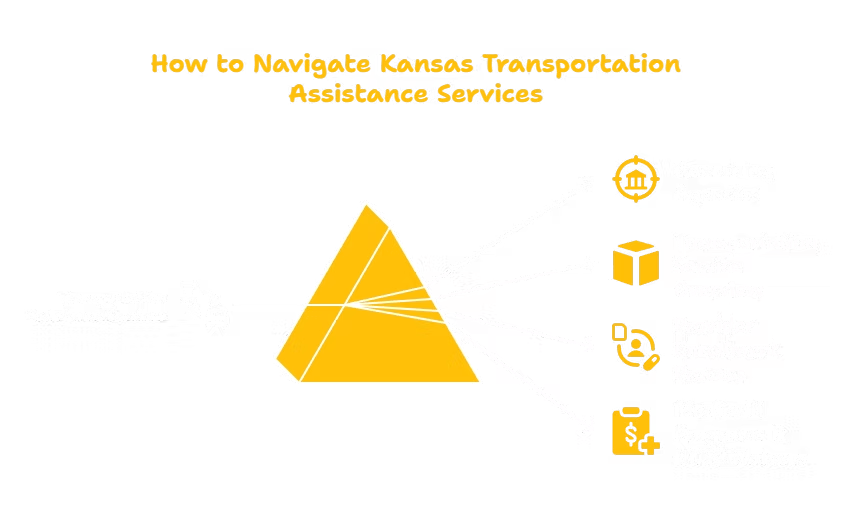
Navigating the Kansas Medicaid transportation sector requires a clear understanding of the roles played by multiple oversight bodies. The Kansas Department of Health and Environment (KDHE), specifically the Division of Health Care Finance, holds primary authority over Medicaid transportation policy and manages the contracts with third-party transportation brokers. This oversight ensures that federal access-to-care standards are maintained across the state.
Complementing KDHE, the Kansas Department for Aging and Disability Services (KDADS) plays a pivotal role by coordinating the service definitions for HCBS waivers, which include transportation-related supports. Because service delivery is managed through the KanCare program, Managed Care Organizations (MCOs) are responsible for the daily authorization of NEMT and HCBS transportation services, as well as the processing of provider payments. At the national level, the Centers for Medicare & Medicaid Services (CMS) provides the overarching federal framework, ensuring that all state-level transportation services meet Medicaid access-to-care requirements.
Defining Scope of Service for Transportation Assistance
Transportation Assistance Services are strictly intended to facilitate access to medically necessary appointments and community services defined within a participant's Individualized Service Plan (ISP). Providers are expected to act as a bridge, ensuring that beneficiaries reach essential destinations such as physician offices, day programs, employment support sites, and therapy clinics without service interruptions.
Approved service delivery models include, but are not limited to, the following:
- Non-Emergency Medical Transportation (NEMT) for Medicaid-covered appointments.
- HCBS-authorized transportation to waiver-funded services, structured activities, or therapies.
- Door-to-door or curb-to-curb assistance tailored to the participant's physical needs.
- Mileage reimbursement programs for authorized family members, agency staff, or independent drivers.
- Accessible vehicle transport, including wheelchair lifts and specialized securement devices for individuals with mobility devices.
- Accompanied travel support where safety or supervision requirements dictate an attendant’s presence.
Licensing, Credentialing, and Provider Enrollment Requirements
Becoming an approved Medicaid transportation provider in Kansas is a rigorous process that demands high standards of operational compliance. Initial steps involve formal business registration with the Kansas Secretary of State, obtaining an Employer Identification Number (EIN) from the IRS, and securing a Type 2 National Provider Identifier (NPI). These foundational elements allow a business to enroll as a Medicaid provider through the Kansas Medical Assistance Program (KMAP).
Beyond basic business filings, providers must establish a robust infrastructure that meets state safety and quality standards. This includes maintaining comprehensive commercial auto insurance and general liability coverage, as well as strict adherence to Kansas vehicle safety standards and Americans with Disabilities Act (ADA) guidelines. Furthermore, administrative readiness is verified through the development of internal policies regarding vehicle maintenance, staff screening protocols, incident reporting, and participant safety measures.
Establishing Operational Procedures and Documentation
A successful provider agency must maintain a comprehensive Transportation Assistance Policy & Procedure Manual. This document serves as the backbone of the organization, detailing how the provider ensures high-quality service and regulatory compliance. It must encompass clear procedures for driver hiring and credentialing, ongoing vehicle maintenance schedules, and protocols for securement and participant supervision.
Documentation is a critical component of reimbursement, as auditors require evidence that services were rendered in accordance with the participant's plan. Essential documentation includes:
- Proof of business licensure and NPI/EIN status.
- Active certificates of insurance covering both fleet and general liability.
- Detailed driver records, including background check clearances.
- Standardized trip logs, mileage reports, and internal audit-ready billing records.
- Defined procedures for HIPAA compliance, grievance resolution, and reporting incidents to the relevant MCO or broker.
Staffing, Training, and Program Readiness
The reliability of transportation services depends heavily on the quality and training of the staff involved. Transportation program managers or dispatchers are responsible for the complex logistics of scheduling and route optimization, requiring a high level of organizational skill. Drivers and transportation aides must possess a valid driver’s license, a clean driving record, and must undergo thorough background checks before interacting with participants.
Training programs for all personnel should be comprehensive and ongoing. Key areas of focus for staff development include:
- HIPAA compliance and the protection of participant confidentiality.
- Defensive driving techniques and emergency preparedness.
- Abuse prevention and the accurate reporting of transport documentation.
- ADA-compliant transportation protocols and advanced wheelchair securement training.
Frequently Asked Questions
What is the difference between NEMT and HCBS-authorized transportation?
NEMT (Non-Emergency Medical Transportation) is primarily focused on travel to medical appointments covered under the Medicaid State Plan and is typically coordinated through a broker like Modivcare. HCBS-authorized transportation is specific to waiver services—such as day programs or community integration activities—and is managed directly through the participant’s MCO.
How long does the provider enrollment process typically take?
While timelines vary based on business readiness, the entire process generally spans four to six months. This includes 1–2 months for business setup, 1–2 months for staff/fleet preparation, 60–90 days for Medicaid and broker credentialing, and 30–45 days for final system activation.
Are independent drivers eligible for reimbursement?
Yes, Kansas Medicaid allows for mileage reimbursement for authorized drivers, including family members or staff, provided they meet the enrollment criteria for the specific waiver or service program and comply with all documentation requirements established by the MCO.
Key Takeaway
Launching a Transportation Assistance Service in Kansas requires a methodical approach that integrates business structure, adherence to strict Medicaid and MCO credentialing requirements, and a commitment to participant safety. By aligning operational policies with the regulations of KDHE, KDADS, and the specific KanCare MCOs, providers can successfully facilitate critical access to healthcare and community services for some of the state's most vulnerable residents.
Waiver Consulting Group’s Start-up Assistance Service helps NEMT companies and HCBS agencies navigate the complexities of Kansas Medicaid, from initial business registration and broker enrollment to the development of policy manuals and billing systems. Our support ensures that your agency is audit-ready and capable of delivering compliant, high-quality transportation services throughout the state.
Last verified: October 2023. Disclaimer: This document is for informational purposes only and does not constitute legal or professional advice. Always verify current state statutes and Medicaid bulletins directly through the official KMAP, KDADS, and KDHE websites before making business decisions.