SUPPORTED EMPLOYMENT SERVICES PROVIDER IN INDIANA
By Watchen Roberts · 2025-07-21 · 5 min read
How to Become a Supported Employment Services Provider in Indiana
Becoming an Indiana Medicaid provider for Supported Employment Services is a transformative step for organizations dedicated to fostering competitive, integrated employment for individuals with disabilities. This process requires a strategic alignment with the Indiana Family and Social Services Administration (FSSA), the Division of Disability and Rehabilitative Services (DDRS), and the Bureau of Rehabilitation Services (BRS) to ensure that service delivery models meet rigorous state and federal standards.
To successfully launch these services, prospective providers must navigate the complex landscape of HCBS Waiver requirements, including the CMS Settings Rule and vocational rehabilitation guidelines. Organizations that prioritize person-centered planning, robust documentation, and evidence-based job coaching are best positioned to secure enrollment and deliver high-quality outcomes for participants across Indiana.
Understanding the Governing Agencies and Regulatory Framework
The regulatory structure for Supported Employment in Indiana is multi-tiered, involving both state-level management and federal oversight. At the state level, the FSSA and its divisions—the DDRS and BRS—hold primary responsibility for overseeing program operations. This includes the management of provider enrollment, the establishment of service standards, and the active tracking of employment outcomes to ensure that individuals are achieving meaningful, competitive work.
The Indiana Office of Medicaid Policy and Planning (OMPP) manages the financial aspect of the program, administering the Medicaid waiver funding that makes these services possible. Providers must maintain strict compliance with OMPP’s billing requirements to ensure steady reimbursement. Furthermore, the Centers for Medicare & Medicaid Services (CMS) provides the overarching federal framework, ensuring that all Indiana Supported Employment Services adhere to the HCBS Settings Rule and maintain a focus on community integration.
- Indiana FSSA (DDRS & BRS): Manages provider enrollment, service quality, and participant protections.
- Indiana OMPP: Directs Medicaid waiver funding and monitors billing compliance.
- CMS: Sets the federal standards for HCBS programs, emphasizing person-centered care and competitive, integrated employment.
Core Components of Supported Employment Service Delivery
Supported Employment Services are designed to provide a comprehensive continuum of support, ranging from initial career exploration to long-term job retention. Approved providers are responsible for delivering services that are tailored to the participant’s Individualized Support Plan (ISP) or the Vocational Rehabilitation Individualized Plan for Employment (IPE). This ensures that every intervention is intentional and directly supports the participant’s unique career trajectory.
Key service offerings include Discovery and Career Planning, which identifies a participant’s interests and strengths, and Job Development, which involves active outreach to potential employers. Once a placement is secured, Job Coaching and on-the-job training facilitate the transition into the workplace. For those pursuing entrepreneurship, self-employment support is also a critical component, while ongoing career advancement planning helps participants achieve long-term professional growth and financial independence.
Navigating the Indiana Provider Enrollment Process
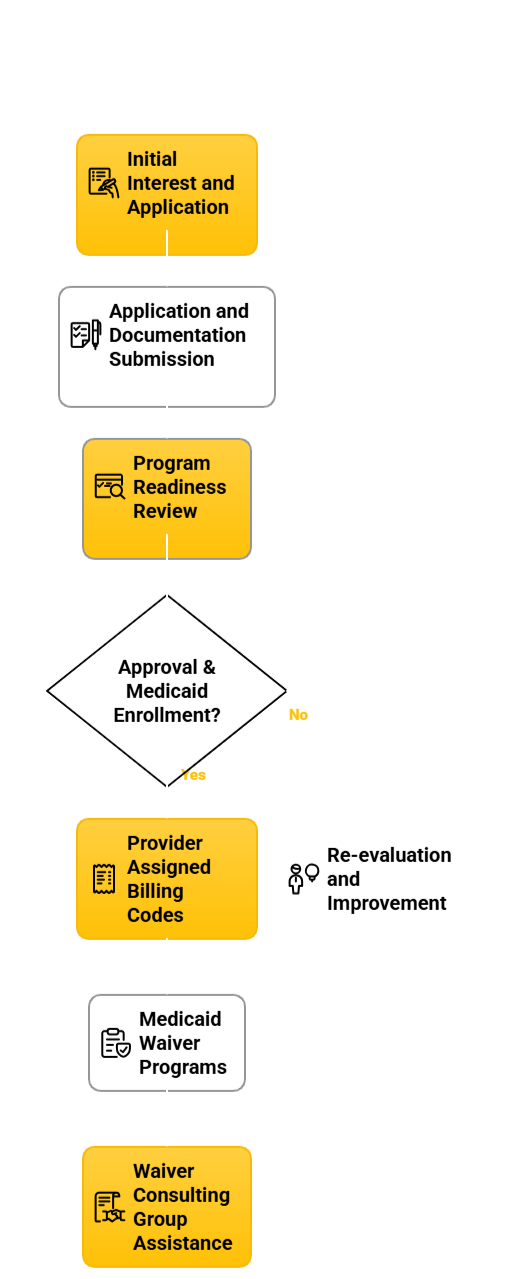
The path to becoming an approved provider begins with establishing the business as a legal entity in Indiana and obtaining the necessary federal credentials, such as an EIN and a Type 2 NPI. Once the business foundation is laid, the provider must navigate the Indiana Medicaid Provider Enrollment Portal. This involves submitting detailed documentation, including articles of incorporation, proof of liability insurance, and a comprehensive set of operational policies that reflect the specific requirements of the waiver program.
Following the submission of the application, the FSSA and BRS conduct a program readiness review. This review evaluates the provider’s operational model, including their approach to person-centered planning and their capacity to maintain accurate billing and clinical records. Upon successful review and approval, the agency is assigned specific billing codes, marking the official start of their ability to provide and receive reimbursement for supported employment services.
- Phase 1: Register with the Indiana Secretary of State and obtain federal tax and provider identification numbers.
- Phase 2: Submit enrollment application via the Indiana Medicaid Provider Portal and compile all required organizational documentation.
- Phase 3: Undergo the FSSA/DDRS and VR readiness review to validate service delivery protocols.
- Phase 4: Receive approval and initiate billing setup for discovery, coaching, and retention services.
Staffing, Training, and Operational Compliance
High-quality employment support relies on the expertise of the staff. Agencies are expected to recruit qualified individuals, specifically Program Supervisors and Employment Specialists or Job Coaches, who possess both the professional background and the interpersonal skills necessary for this work. Supervisors typically require a bachelor’s degree in a human services or related field, while all staff must undergo rigorous background checks to ensure participant safety.
Beyond initial hiring, agencies must invest in a robust training curriculum. Staff are required to be proficient in the HCBS Settings Rule, person-centered planning, HIPAA compliance, and emergency response procedures. Maintaining an audit-ready environment requires that all training records, competency evaluations, and daily service documentation are kept current. By standardizing these operational practices, providers demonstrate their commitment to the professional, legal, and ethical standards set by the state of Indiana.
Frequently Asked Questions
What waivers in Indiana cover Supported Employment?
Supported Employment Services are authorized under the Community Integration and Habilitation (CIH) Waiver and the Family Supports Waiver (FSW).
How long does the launch process take for a new provider?
The total timeline typically ranges from 6 to 9 months, encompassing business formation, compliance preparation, staff credentialing, and the final 60-90 day Medicaid enrollment and readiness review window.
What is the difference between VR and Waiver services?
Vocational Rehabilitation (VR) services are often time-limited and focused on achieving initial employment goals, while Medicaid Waiver services (CIH/FSW) often provide ongoing, long-term support for job retention and career advancement.
Summary of Startup Assistance
Waiver Consulting Group provides specialized support to help organizations launch Medicaid-compliant Supported Employment Services. This assistance includes the development of Policy & Procedure Manuals, creation of staff credentialing and participant intake templates, and guidance on Medicaid billing and audit readiness. By professionalizing these administrative processes, new agencies can focus their efforts on what matters most: empowering individuals with disabilities to thrive in the workforce.
Key Takeaway
Success in the Indiana Supported Employment market is contingent upon the meticulous integration of regulatory compliance, highly trained staff, and a deep commitment to the person-centered mission of the state’s HCBS waivers. By focusing on operational readiness and consistent, high-quality service documentation, providers can build sustainable programs that provide life-changing employment opportunities for their participants.
Last verified: 2024. The information provided in this article is for educational purposes and does not constitute legal or financial advice. Regulations for Indiana Medicaid Waiver programs may be subject to change; always consult the official Indiana FSSA/DDRS portal for the most current requirements and guidance.