SUPPORT BROKERAGE SERVICES PROVIDER IN OHIO
By Fatumata Kaba · 2025-09-17 · 5 min read
Understanding Support Brokerage Services in Ohio
Support Brokerage services in Ohio serve as a vital resource for individuals enrolled in self-directed Medicaid waiver programs, specifically the Self-Empowered Life Funding (SELF) Waiver. These services provide participants with the professional guidance necessary to effectively manage their care, hire support staff, and navigate the complexities of person-centered planning. By acting as a facilitator rather than a decision-maker, a support broker ensures that the participant remains in the driver’s seat while receiving the necessary education and advocacy to achieve their unique community living objectives.
The primary purpose of a support broker is to bridge the gap between the participant's goals and the regulatory requirements of Ohio’s Home and Community-Based Services (HCBS) programs. They provide comprehensive support in managing self-directed budgets, coordinating services, and maintaining the documentation required to ensure compliance with the Ohio Department of Developmental Disabilities (DODD) and the Ohio Department of Medicaid (ODM). This role is fundamental in upholding the principles of self-direction, ensuring participants have the tools to make informed choices while maintaining full control over their service delivery.
Governing Agencies and Regulatory Oversight
The delivery of Support Brokerage services in Ohio is governed by a multi-tiered regulatory structure that ensures service quality, participant safety, and fiscal integrity. The Ohio Department of Developmental Disabilities (DODD) serves as the primary oversight body for Support Brokerage under the SELF Waiver, responsible for certifying providers, setting service delivery standards, and conducting ongoing monitoring to ensure compliance with state mandates.
In addition to DODD, the Ohio Department of Medicaid (ODM) manages the waiver funding, billing policies, and program integrity initiatives that govern how services are compensated. At the federal level, the Centers for Medicare & Medicaid Services (CMS) oversees the state’s HCBS waiver programs to ensure that they adhere to federal guidelines regarding self-direction, person-centered planning, and participant protections. Prospective providers must remain cognizant of the rules issued by all three entities to maintain certification and ensure uninterrupted service delivery.
Essential Functions of a Support Brokerage Provider
Support brokers act as expert guides who empower individuals with disabilities to live independently within their communities. Their role involves a broad spectrum of responsibilities, ranging from administrative oversight to direct participant support. By offloading the logistical burden of service management, brokers allow participants to focus on their personal development and community integration goals.
Approved providers commonly assist participants with the following core tasks:
- Person-Centered Planning: Assisting in the development, implementation, and regular revision of the Individual Service Plan (ISP).
- Budget & Fiscal Oversight: Collaborating with Financial Management Services (FMS) to monitor budgets and track expenditures.
- Employer Authority Support: Providing guidance on recruiting, interviewing, hiring, training, and supervising support staff.
- Service Coordination: Facilitating access to essential community resources including transportation, housing, and integrated employment.
- Advocacy & Education: Teaching participants about their rights, waiver responsibilities, and how to resolve grievances.
- Crisis Prevention: Developing contingency plans to prevent service disruptions and ensuring health and safety.
- Documentation Support: Maintaining logs of service hours, progress notes, and ensuring all records meet audit readiness standards.
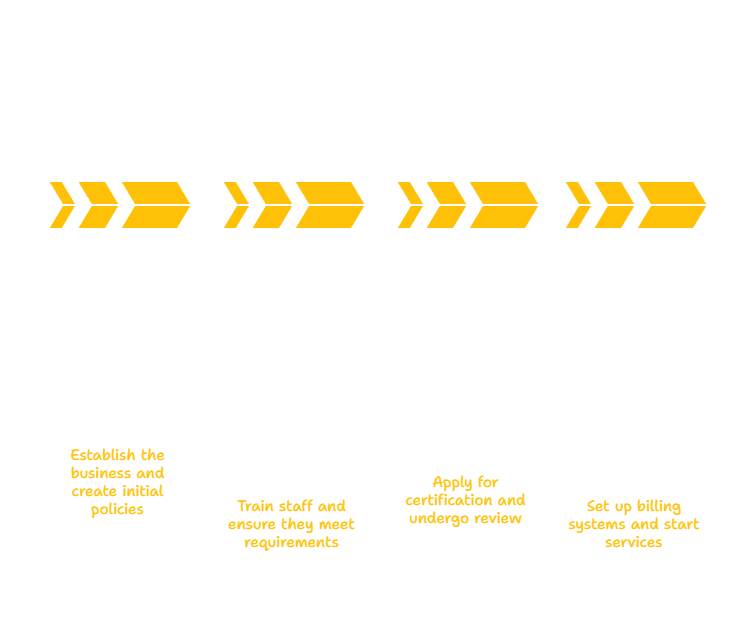
Steps to Achieve Provider Certification and Enrollment
To become an authorized Support Brokerage provider in Ohio, an entity must complete a structured enrollment process defined by the DODD. This begins with the formal establishment of a business entity, which includes registration with the Ohio Secretary of State, obtaining an Employer Identification Number (EIN) from the IRS, and securing a Type 2 National Provider Identifier (NPI). These foundational steps establish the legal and administrative infrastructure required to operate as a Medicaid-enrolled provider.
Once the legal structure is in place, the provider must navigate the DODD Provider Certification Wizard. The application process requires the submission of various documents, including proof of general and professional liability insurance and a comprehensive Policy and Procedure Manual. This manual must demonstrate a clear understanding of person-centered planning, participant rights, and Medicaid billing requirements. Following submission, DODD conducts a compliance review to assess the provider’s readiness, operational philosophy, and ability to fulfill the responsibilities of a Support Brokerage agency.
Staffing Requirements and Professional Training
The quality of Support Brokerage services is inherently tied to the competence and training of the staff delivering them. A Support Broker or Service Coordinator typically needs a Bachelor’s degree in a relevant field—such as human services, special education, or social work—along with a practical understanding of HCBS waivers. If the provider operates as an agency, the Program Administrator must possess strong oversight capabilities, including the ability to manage documentation, train staff, and ensure consistent service delivery protocols.
Every staff member is required to complete specialized training mandated by the DODD. These educational requirements ensure that all brokers are proficient in:
- ISP development and the mechanics of the SELF Waiver.
- HIPAA compliance and the protection of participant privacy.
- Professional documentation standards and audit-readiness protocols.
- Crisis prevention and emergency response procedures tailored to the individual’s needs.
Frequently Asked Questions
What is the primary difference between a Support Broker and a Case Manager?
While both roles provide support, a Support Broker specifically assists individuals in self-directed programs like the SELF Waiver. Unlike traditional case management, the Support Broker empowers the participant to act as the "employer" of their staff and manages the budget and hiring processes directly, whereas the broker acts as a facilitator for the participant’s chosen path.
How does the Financial Management Services (FMS) provider interact with a Support Broker?
The FMS provider handles the fiscal and payroll components of self-direction, such as processing timesheets and paying support staff. The Support Broker collaborates with the FMS to ensure the participant's budget is being managed correctly and that the participant understands their financial obligations and remaining funds.
What is the typical timeline for launching a Support Brokerage agency in Ohio?
The process generally takes several months to complete. Business formation and policy development usually span 1–2 months, followed by 2–3 months for staff training. The DODD certification and enrollment process can take 60–90 days, with an additional 30–45 days required for final billing setup and service launch preparations.
Key Takeaway
Launching a successful Support Brokerage agency in Ohio requires rigorous attention to administrative detail, a deep commitment to the philosophy of self-direction, and strict adherence to DODD and ODM regulatory requirements. By establishing robust internal policies for person-centered planning, hiring, and documentation, providers can effectively support individuals in navigating the complexities of the SELF Waiver while ensuring long-term operational sustainability and compliance.
Last verified: 05/22/2024. Disclaimer: This article is intended for informational purposes only and does not constitute legal or professional advice. Requirements for Medicaid provider enrollment can change; always consult with the Ohio Department of Developmental Disabilities (DODD) or the Ohio Department of Medicaid (ODM) for the most current regulations and guidance.