SPECIALIZED THERAPY SERVICES PROVIDER IN SOUTH DAKOTA
By Fatumata Kaba · 2025-10-15 · 5 min read
Specialized therapy services in South Dakota encompass a vital range of clinical interventions—including physical, occupational, and speech-language therapies—designed to foster functional independence for individuals with developmental, medical, or long-term care needs. These services are delivered by licensed professionals and are formally integrated into South Dakota’s Medicaid framework, supported by both the State Plan and specific Home and Community-Based Services (HCBS) waiver programs.
For provider agencies, establishing a therapy practice requires a thorough understanding of the regulatory landscape governed by the South Dakota Department of Social Services (DSS) and the Department of Human Services (DHS). Successfully delivering these services necessitates adherence to rigorous licensing standards, clinical documentation protocols, and Medicaid billing requirements to ensure seamless reimbursement and, most importantly, improved quality of life for participants.
Navigating the Regulatory Framework for Therapy Providers
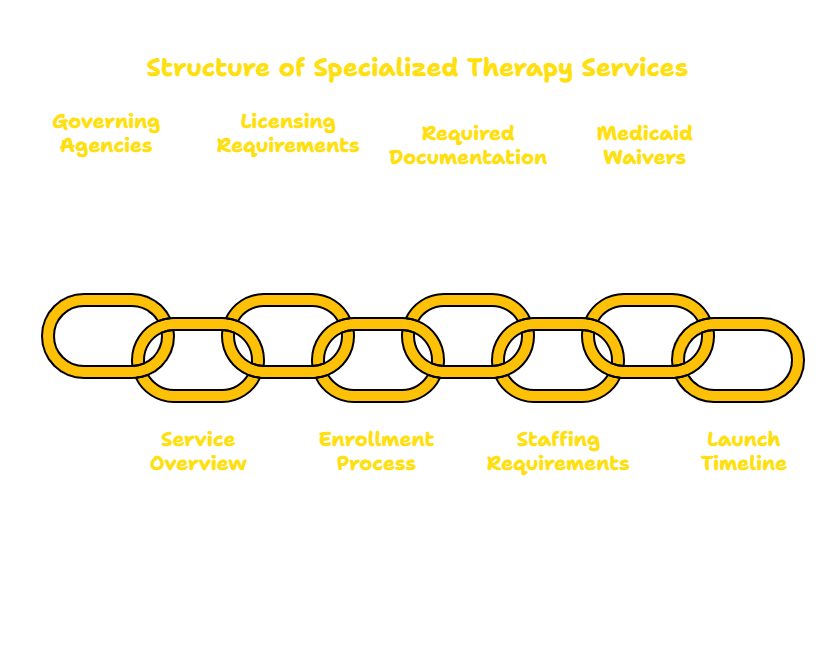
The South Dakota Medicaid landscape is partitioned to manage different facets of therapeutic care. Providers must understand the distinction between the State Plan Medicaid Home Health Benefit, which focuses on medically necessary clinical interventions, and the HCBS waivers, which prioritize developmental and functional support. Oversight is shared across several key agencies, each maintaining specific compliance expectations that providers must meet to maintain active status.
The South Dakota Department of Social Services (DSS) – Medical Services Division is the primary authority for State Plan Medicaid therapy benefits and the processing of Medicaid-authorized claims. Simultaneously, the South Dakota Department of Human Services (DHS) – Division of Developmental Disabilities (DDD) holds jurisdiction over therapy services provided within the CHOICES and Family Support 360 Waivers. Additionally, all clinical personnel must align with the regulations set forth by the South Dakota Board of Examiners for PT, OT, and SLPs, while federal oversight remains under the guidance of the Centers for Medicare & Medicaid Services (CMS).
- DSS: Manages claims and enrollment for State Plan services.
- DHS-DDD: Oversees clinical care and authorizations for HCBS waiver participants.
- Professional Boards: Ensure all therapists hold valid, active state-issued licenses.
- CMS: Provides the overarching federal framework for compliance and service delivery.
Core Clinical Disciplines and Service Delivery Models
Specialized therapy services are fundamentally goal-driven, requiring providers to demonstrate clinical efficacy through progress tracking and standardized reporting. Physical Therapy (PT) focuses on mobility, strength, and balance to prevent injury and promote safe ambulation. Occupational Therapy (OT) assists participants in reclaiming their independence by focusing on fine motor skills, sensory integration, and the mastery of Activities of Daily Living (ADLs). Speech-Language Pathology (SLP) addresses critical communication needs, feeding difficulties, and the implementation of augmentative communication support.
Beyond direct intervention, providers are expected to act as collaborators within a larger care team. This involves developing comprehensive Plans of Care (POC), performing periodic re-evaluations, and ensuring that therapeutic goals align with the participant's broader Individual Support Plan (ISP). By maintaining high standards of clinical documentation, agencies ensure that therapy remains medically necessary and beneficial to the participant's long-term developmental milestones.
Establishing Your Agency: Licensing and Provider Enrollment
The path to becoming an authorized provider begins with formal business formation. Agencies must be registered with the South Dakota Secretary of State and secure necessary business identifiers, including an EIN and a Type 2 NPI. Once the corporate foundation is laid, the agency must initiate the Medicaid enrollment process specific to the desired service line—either through the DSS for State Plan services or the DHS-DDD for waiver-based programs.
Provider readiness is not merely about administrative paperwork; it involves preparing robust clinical infrastructure. This includes the development of a Specialized Therapy Services Policy & Procedure Manual that covers intake procedures, HIPAA compliance, and session verification protocols. Agencies must demonstrate that they employ or contract only licensed professionals and that they maintain adequate liability, malpractice, and workers’ compensation insurance coverage.
- Business Registration: Secure legal standing and obtain an EIN and Type 2 NPI.
- Enrollment: Submit applications to the appropriate state agency (DSS or DHS-DDD).
- Credentialing: Provide verified licenses for all clinical staff.
- Readiness Review: Prepare documentation templates and clinical care plan samples.
Staffing and Operational Compliance Requirements
A therapy agency is only as effective as its clinical personnel. All therapists—PTs, OTs, and SLPs—must hold an active South Dakota license in their respective discipline. Furthermore, agencies must ensure that all staff undergo thorough background checks and maintain current certification in CPR and First Aid. For larger agencies, the role of a Therapy Program Coordinator is essential to supervise clinical teams and ensure that service delivery remains consistent with state regulations and individual care plans.
Ongoing compliance is a standard, not an option. Staff must be proficient in HIPAA protocols, participant rights, and Medicaid-specific billing standards. Periodic internal audits and continuous education are required to keep the agency in good standing. This training environment is vital for maintaining the high clinical standards required by the state and for ensuring that every therapy session is accurately documented and verified for reimbursement.
Integration with South Dakota Medicaid Waiver Programs
Specialized therapy services are a cornerstone of several key Medicaid programs designed to support individuals with disabilities in their own homes. The CHOICES Waiver provides essential support for adults with Intellectual and Developmental Disabilities (IDD), while the Family Support 360 Waiver focuses on youth and adults living in family settings. For those with complex health requirements, the Medically Fragile Waiver offers a pathway for specialized therapeutic interventions.
Additionally, the State Plan Medicaid Home Health Benefit remains available for therapy ordered by a physician based on medical necessity. For the youth population, the EPSDT (Early and Periodic Screening, Diagnostic, and Treatment) benefit is a critical resource, ensuring that individuals under age 21 receive the necessary developmental screenings and diagnostic services that lead to early and effective therapeutic intervention.
Frequently Asked Questions
How long does the provider enrollment process typically take?
The timeline varies based on the completeness of the application. Generally, business registration takes 1–2 months, while Medicaid enrollment and documentation submission take 2–3 months. Staffing and clinical preparation usually add another 30–60 days before the first billable service can occur.
What documentation is required to enroll as a therapy provider?
Applicants must submit proof of business registration, EIN, NPI, and current professional licenses for all clinical staff. A detailed Policy & Procedure Manual is also required, covering clinical goals, intake protocols, discharge criteria, and HIPAA compliance procedures.
Does the state require specific training for therapy staff?
Yes, all staff must be trained on HIPAA, participant rights, documentation standards, and Medicaid billing procedures. Clinical staff are also required to maintain their state-mandated continuing education credits to keep their licenses active.
Key Takeaway
Successfully providing specialized therapy services in South Dakota requires a rigorous balance of clinical excellence and administrative compliance. By aligning business operations with the guidelines established by the DSS and DHS-DDD, and by maintaining strict oversight of staff credentials and documentation protocols, providers can ensure the delivery of high-quality, sustainable therapeutic care to the individuals who need it most.
Last verified: 2024. This information is provided for educational purposes and should not be considered legal or medical advice. Consult directly with the South Dakota Department of Social Services or the Department of Human Services for the most current regulatory guidance and official program requirements.