SPECIALIZED MEDICAL EQUIPMENT SERVICES PROVIDER IN ALASKA
By Fatumata Kaba · 2025-07-02 · 5 min read
SUPPORTING INDEPENDENCE AND SAFETY THROUGH ACCESS TO MEDICALLY NECESSARY EQUIPMENT AND SUPPLIES
Specialized Medical Equipment Services in Alaska represent a critical component of the state’s Home and Community-Based Services (HCBS) ecosystem, providing vital devices that enable individuals with disabilities and chronic conditions to maintain safety and independence within their homes. These services are authorized under specific Medicaid Waiver programs and require a rigorous commitment to clinical necessity, regulatory compliance, and high-quality service delivery standards as overseen by the Alaska Department of Health.
Understanding the Regulatory Landscape for Specialized Medical Equipment
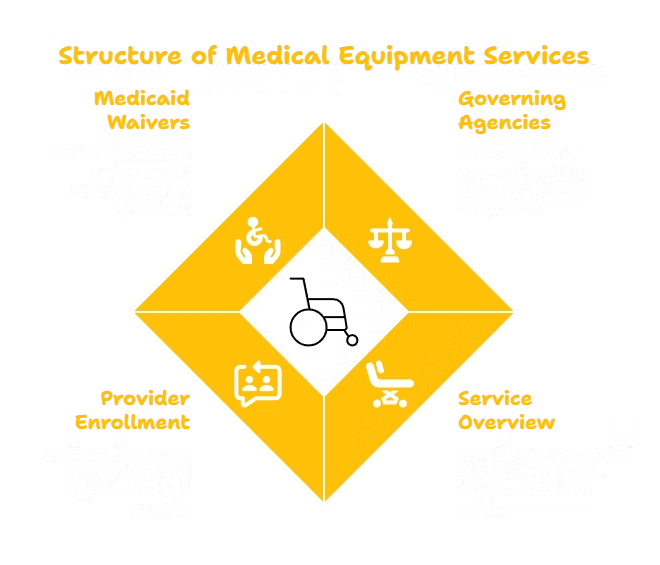
The provision of specialized medical equipment in Alaska is governed by a multi-tiered regulatory framework. At the state level, the Department of Health’s Division of Senior and Disabilities Services (SDS) serves as the primary authority. SDS is responsible for the vetting and approval of providers, the authorization of specific equipment requests for waiver participants, and the ongoing monitoring of service quality to ensure all provisions align with the participant’s person-centered service plan.
Complementing the role of SDS, the Alaska Medicaid program manages the fiscal and administrative aspects of service delivery, including provider enrollment, claim reimbursement cycles, and compliance audits. Furthermore, the Centers for Medicare & Medicaid Services (CMS) provide federal oversight, ensuring that all waiver-funded activities adhere to national HCBS requirements. Providers must navigate these agencies simultaneously, ensuring that their internal processes satisfy both clinical requirements and state billing mandates.
What Defines Specialized Medical Equipment Services?
Specialized Medical Equipment Services encompass devices, supplies, and technology that are directly related to an individual's functional limitations. These services are distinct from standard Medicaid Durable Medical Equipment (DME) benefits, as they are specifically authorized to substitute for human assistance or to provide safety and environmental control that standard DME may not cover. To qualify for reimbursement, all equipment must be medically necessary and clearly documented as such in the participant's official service plan.
Approved providers often manage a diverse inventory to meet the varying needs of the waiver population. Typical offerings include:
- Mobility devices such as manual or power wheelchairs and specialized walkers.
- Lifts and transfer equipment, including Hoyer lifts and ceiling track systems.
- Adaptive communication aids and specialized vision or hearing assistive devices.
- Pressure-relief mattresses, specialized beds, and customized positioning equipment.
- Medical alert systems, home monitoring devices, and environmental control units.
- Professional repair, routine maintenance, and user training services.
Navigating the Provider Enrollment and Approval Process
Becoming an approved provider is a structured, multi-phase process that begins with demonstrating administrative and operational readiness. Prospective agencies must first ensure their business is legally registered with the Alaska Division of Corporations, Business and Professional Licensing. Following registration, the agency must secure a Type 2 National Provider Identifier (NPI) and an Employer Identification Number (EIN). Maintaining a physical location or distribution base within the state is a prerequisite for enrollment to ensure local accountability.
The SDS enrollment process requires a comprehensive submission of the agency’s service plan, which must detail how the organization handles equipment procurement, storage, delivery, and quality assurance. Applicants must also provide samples of their documentation workflows, such as physician order templates, service tracking logs, and participant consent forms. Following a successful review of these materials, the agency will undergo a readiness and compliance evaluation, which may include inspections of staff training logs and internal inventory management systems.
Establishing Essential Documentation and Operational Policies
A successful provider agency must implement a robust Policy and Procedure manual that serves as the backbone of their operations. This documentation must address the entire lifecycle of an equipment request, from the initial verification of medical necessity via a physician’s order to the final delivery and participant training. Agencies must be prepared to demonstrate that their procedures align with Medicaid compliance standards regarding billing, invoicing, and the protection of client information.
The operational framework should specifically include provisions for the following areas:
- Detailed protocols for equipment authorization and medical necessity verification.
- Comprehensive logs for delivery tracking, equipment maintenance, and repair history.
- Stringent storage, handling, and infection control policies.
- Clearly defined client rights, warranty guidelines, and procedures for equipment replacement.
- Standardized consent forms and checklists for providing instructions to participants.
Staffing, Training, and Organizational Readiness
Effective service delivery depends on a well-trained staff that understands both the technical requirements of the equipment and the regulatory requirements of the Alaska Medicaid waivers. An Equipment Services Coordinator or Program Manager is essential for overseeing the logistics and ensuring compliance with Medicaid billing processes. Additionally, Delivery and Setup Technicians must possess the technical skills required for the assembly and maintenance of equipment, combined with a valid driver’s license for local service deployment.
All staff members are required to undergo comprehensive training that spans several critical areas. These include SDS service delivery standards, HCBS waiver-specific requirements, equipment safety and maintenance protocols, and strict patient confidentiality practices. Furthermore, staff must be trained on how to interact effectively with consumers, ensuring that participants feel confident in their ability to use the equipment safely and effectively in their daily lives.
Frequently Asked Questions
Which Alaska Medicaid Waivers cover Specialized Medical Equipment?
These services are authorized under the Alaskans Living Independently (ALI) Waiver, the Adults with Physical and Developmental Disabilities (APDD) Waiver, the Individuals with Intellectual and Developmental Disabilities (IDD) Waiver, and the Children with Complex Medical Conditions (CCMC) Waiver.
How long is the typical timeline to launch an equipment business?
The timeline varies by agency readiness, but generally, business formation takes 1–2 weeks, the SDS application review takes 45–90 days, staff onboarding and readiness checks take 30–45 days, and final Medicaid enrollment and billing setup takes 45–60 days.
What are the primary responsibilities of the provider after equipment delivery?
Beyond delivery and setup, providers are responsible for participant training on equipment usage, securing consent documentation, maintaining accurate records, performing necessary repairs and maintenance, and tracking warranty information to ensure ongoing functionality.
Key Takeaway: Establishing a Specialized Medical Equipment business in Alaska requires a rigorous commitment to SDS standards, proactive Medicaid enrollment management, and a robust internal documentation system. By aligning business operations with the clinical needs of waiver participants, providers ensure the delivery of high-quality services that uphold the independence and safety of Alaskans in need.
Last verified: 2024. This information is provided for general educational purposes and does not constitute legal or professional advice. Always verify current state regulations and policy requirements directly through the Alaska Department of Health and the official Medicaid Provider Enrollment portal.