SKILL-BUILDING AND HABILITATION SERVICES PROVIDER IN IOWA
By Fatumata Kaba · 2025-07-22 · 5 min read
EMPOWERING PARTICIPANTS THROUGH DAILY LIVING SKILLS, SOCIAL DEVELOPMENT, AND PERSONAL GROWTH SUPPORTS
Skill-Building and Habilitation Services in Iowa are essential Medicaid-funded supports designed to help individuals with intellectual, developmental, or acquired disabilities achieve greater independence. By focusing on daily living skills, social development, and community integration, these services enable participants to lead fulfilling lives within their chosen home and community settings under the authorization of Iowa Medicaid’s Home and Community-Based Services (HCBS) waivers and the state’s Habilitation Services program.
What Are the Governing Structures for Iowa Habilitation Services?
The regulatory framework for these services is multi-layered, involving state and federal oversight to ensure consistent, high-quality care. The Iowa Department of Health and Human Services (HHS), through the Iowa Medicaid Enterprise (IME), acts as the primary administrator. Their role includes the management of HCBS waivers and Habilitation Services, overseeing the critical processes of provider enrollment, service authorization, reimbursement, and ongoing compliance monitoring.
Beyond the state level, Iowa’s Medicaid managed care system utilizes Managed Care Organizations (MCOs) to coordinate service approvals and payments for eligible participants. At the federal level, the Centers for Medicare & Medicaid Services (CMS) provides overarching guidance. CMS ensures that all habilitation and skill-building initiatives strictly align with the HCBS Settings Rule and person-centered care requirements, guaranteeing that service delivery promotes community inclusion and individual autonomy.
What Scope of Services Can Providers Deliver?
Skill-Building and Habilitation Services are structured to support individuals in achieving long-term independence through practical, community-based practice. Approved providers are expected to deliver services that are tailored to the specific needs outlined in a participant’s Individualized Service Plan (ISP) or Person-Centered Service Plan (PCSP). These services are intended to foster measurable progress in functional, adaptive, and social domains.
Providers are authorized to deliver a broad range of supports, including:
- Support with Activities of Daily Living (ADLs): bathing, grooming, dressing, toileting, and eating.
- Instruction in Instrumental Activities of Daily Living (IADLs): cooking, laundry, household cleaning, and money management.
- Social skills development, including communication, decision-making, and relationship building.
- Community integration support, such as using public transportation, navigating public spaces, or attending events.
- Behavioral and emotional regulation skills using positive behavior support.
- Health and safety awareness, including medication reminders and emergency response skills.
- Habilitation training focused on functional, adaptive, and social development for individuals not eligible for waiver services.
How Do Providers Navigate Licensing and Enrollment Requirements?
The process of becoming an authorized provider is a rigorous commitment that begins with formalizing business operations. Prospective agencies must register with the Iowa Secretary of State, obtain an Employer Identification Number (EIN) from the IRS, and secure a Type 2 National Provider Identifier (NPI). These foundational steps are prerequisites for interacting with the Iowa Medicaid Provider Portal (IMPA).
Once registered, providers must develop comprehensive policies that reflect both HCBS Settings Rule standards and specific Habilitation program guidelines. Maintaining adequate general and professional liability insurance is mandatory throughout the enrollment process. Additionally, agencies must establish robust administrative systems to ensure all staff members complete thorough background checks, receive mandatory training, and undergo supervised practice before they are permitted to provide direct services to participants.
What Is the Sequence of the Iowa Provider Enrollment Process?
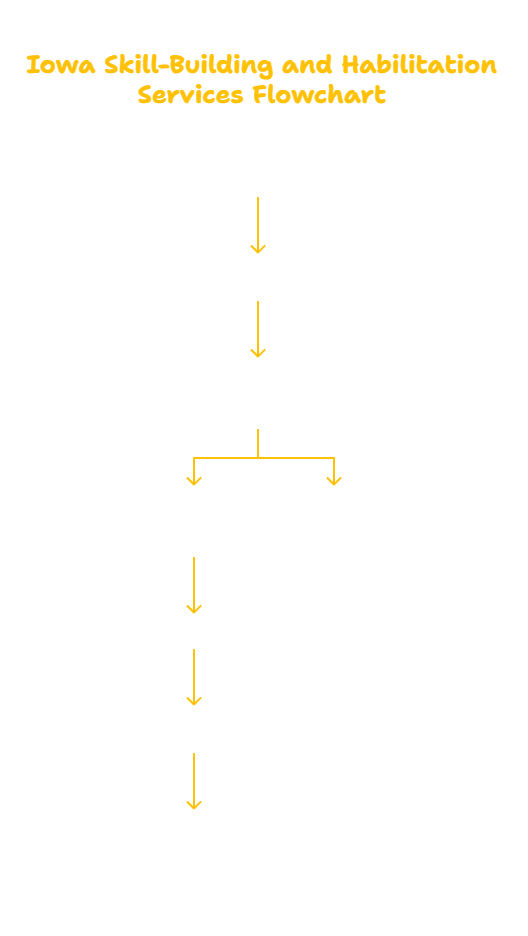
Launching a service agency requires a disciplined approach to documentation and readiness reviews. The initial phase involves submitting an enrollment application for either HCBS Waiver or Habilitation Services through the IMPA portal. Simultaneously, for providers serving managed Medicaid participants, it is necessary to coordinate service authorization requirements directly with the state’s MCOs.
The documentation phase requires the submission of Articles of Incorporation, EIN/NPI confirmation, proof of insurance, detailed policy manuals, and staff credentials. Iowa HHS or the respective MCOs will conduct a Program Readiness Review to evaluate these documents and verify policy compliance. Following a successful review and administrative approval, the agency will receive billing codes, which are generally assigned based on daily, hourly, or 15-minute units depending on the specific program and service type.
What Staffing and Documentation Standards Must Agencies Maintain?
Staffing quality is central to compliance. A Skill-Building Program Supervisor, ideally holding a bachelor’s degree in a human services field and possessing specific habilitation experience, is generally required to oversee clinical operations. Direct Support Professionals (DSPs) or Habilitation Aides must possess a minimum of a high school diploma or GED and must be trained in person-centered planning, behavioral management, and ADL/IADL support protocols.
Agencies must maintain a comprehensive Policy & Procedure Manual to survive administrative audits. Key documentation requirements include:
- Participant intake, assessment, and goal-setting procedures.
- ADL/IADL instruction protocols and community-based safety practices.
- Crisis response and behavioral support strategies.
- Participant rights, HIPAA compliance, and grievance policies.
- Staff credentialing, background checks, and competency evaluations.
- Medicaid billing, service tracking, and audit-ready documentation.
Frequently Asked Questions
Which Medicaid programs reimburse these services?
Reimbursement is available through the Intellectual Disability (ID) Waiver, Brain Injury (BI) Waiver, Health and Disability (HD) Waiver, and the Elderly Waiver for specific personal support. Additionally, the Iowa Habilitation Services Program covers individuals who meet functional impairment and mental health criteria but do not qualify for traditional waiver services.
What is the typical timeline for launching a provider agency?
The entire process typically spans several months. Business formation and policy development generally take 1–2 months, followed by staff hiring and program setup (1–2 months). Medicaid enrollment and MCO contracting require approximately 60–90 days, while final billing configuration and service launch typically require 30–45 days.
What are the core training requirements for direct staff?
All staff are required to complete training in abuse prevention and mandatory reporting, HIPAA confidentiality and participant rights, and emergency preparedness and incident response. Agencies must also facilitate annual continuing education and maintain records of ongoing competency assessments for all direct service employees.
Key Takeaways for Provider Success
Success as a Skill-Building and Habilitation provider in Iowa relies on a commitment to person-centered documentation and strict adherence to the standards set by the Iowa HHS and MCO partners. By prioritizing audit-ready records, staff competency, and regulatory alignment, agencies can effectively support the independence of participants while maintaining sustainable business operations. Always verify current requirements through official channels, as policies are subject to updates based on federal CMS guidance and state-level administrative changes.
Last verified: October 2023. Disclaimer: This document is for informational purposes and does not constitute legal or professional advice. Always consult with the Iowa Department of Health and Human Services (HHS) and your respective Managed Care Organizations (MCOs) regarding current regulations and provider enrollment requirements.