RESPITE CARE SERVICES PROVIDER IN NEW MEXICO
By Fatumata Kaba · 2025-09-05 · 5 min read
Supporting Caregivers and Promoting Well-being Through Temporary Relief Services
Respite Care Services in New Mexico serve as a critical pillar of support for family caregivers by providing temporary relief for individuals with disabilities, chronic illnesses, or age-related conditions. By authorized participation in New Mexico Medicaid Home and Community-Based Services (HCBS) waiver programs, provider agencies enable primary caregivers to rest, manage personal matters, and recover from caregiver fatigue, all while ensuring the participant remains safe and well-supported.
What is the Role of Governing Agencies in New Mexico Respite Care?
The administration of Respite Care Services in New Mexico involves a multi-tiered regulatory framework designed to ensure federal compliance and high-quality service delivery. The New Mexico Human Services Department (HSD) serves as the primary agency responsible for managing Medicaid waiver funding, overseeing the provider enrollment process, managing service authorizations, and handling complex reimbursement procedures.
Complementing the HSD, the Developmental Disabilities Supports Division (DDSD) plays a direct role in maintaining service quality, overseeing delivery standards, and ensuring agency compliance with established HCBS waiver protocols. At the federal level, the Centers for Medicare & Medicaid Services (CMS) provides necessary oversight to verify that all Medicaid-funded Respite Care meets national standards for person-centered planning, participant protections, and overall quality of care.
What Types of Respite Care Services Can Providers Deliver?
Respite care is designed to be flexible, offering both planned and emergency relief options that align with the specific health and safety needs outlined in the participant’s Individualized Service Plan (ISP). Providers act as essential support systems, ensuring that participants receive continuous supervision and personal assistance during the absence of their primary unpaid caregiver.
Approved providers generally offer a comprehensive range of service modalities, including:
- In-Home Respite Services: Professional care delivered directly within the participant’s residence.
- Facility-Based Respite Care: Temporary, short-term care provided in licensed community settings.
- Day Respite: Specialized supervision and support offered during standard daytime hours.
- Overnight or Weekend Respite: Extended care options designed to accommodate longer caregiver breaks.
- Personal Care Assistance: Hands-on help with Activities of Daily Living (ADLs), such as bathing, grooming, feeding, mobility assistance, and toileting.
- Medication Reminders: Non-skilled assistance provided in accordance with the participant’s prescribed medication schedule.
- Social Engagement: Facilitating recreational or therapeutic activities that align with the participant’s personal interests and care plan.
How Do Agencies Become Licensed and Enrolled as Medicaid Providers?
The path to becoming an authorized Respite Care provider requires a structured approach to business formation, credentialing, and regulatory compliance. Before seeking Medicaid enrollment, an agency must register as a legal business entity with the New Mexico Secretary of State, secure a federal Employer Identification Number (EIN), and obtain a Type 2 National Provider Identifier (NPI). If the agency intends to provide facility-based services, it must also obtain the appropriate facility licensure from the HSD or the New Mexico Department of Health (NMDOH).
Once the foundational business requirements are met, agencies must navigate the Medicaid Provider Enrollment Portal. The process requires submitting comprehensive documentation, including professional and general liability insurance certificates, staff credentialing records, and a detailed internal Policy & Procedure Manual. Following the initial application, the HSD and DDSD conduct a program readiness review, during which they evaluate the agency’s care protocols, participant safety plans, and documentation systems before final authorization to bill is granted.
Key documentation for the enrollment process includes:
- Articles of Incorporation or official state business licenses.
- IRS EIN confirmation and NPI registration details.
- Proof of required general and professional liability insurance coverage.
- Comprehensive Policy & Procedure Manual covering HIPAA compliance, incident reporting, emergency preparedness, and participant rights.
- Documentation of staff background checks and mandatory training certifications.
What Are the Essential Staffing and Training Requirements?
The quality of Respite Care depends heavily on the caliber and preparedness of the direct care workforce. At the leadership level, agencies are required to appoint a Respite Services Program Director, typically holding a Bachelor’s degree in human services, healthcare, or a related field, along with documented supervisory experience. This individual is responsible for ensuring the agency maintains compliance and provides high-quality care.
Direct care staff must meet specific minimum qualifications, including a high school diploma or GED, valid CPR and First Aid certifications, and successful completion of background screenings and health clearances. Beyond these baseline requirements, staff must undergo rigorous training programs to ensure they can manage the diverse needs of the participants. This includes mandatory education on safety and emergency preparedness, HIPAA confidentiality protocols, abuse and exploitation awareness, infection control, and continuous annual competency evaluations.
Which Medicaid Waiver Programs Include Respite Services?
Respite Care is a sanctioned service under several prominent New Mexico Medicaid waiver programs. These programs are designed to keep individuals in their homes and communities rather than in institutional settings. Understanding which waivers cover these services is essential for agencies looking to expand their service reach and assist a broader range of participants.
The primary programs facilitating these services include:
- Developmental Disabilities (DD) Waiver
- Mi Via Waiver
- Medically Fragile Waiver
- Supports Waiver
- Various other Home and Community-Based Services (HCBS) Waivers
Through these programs, agencies can provide critical crisis respite services, ensuring that even when a caregiver's availability is suddenly compromised, the participant continues to receive essential supervision and assistance with daily wellness monitoring.
Frequently Asked Questions
How long does the provider enrollment process typically take?
The overall timeline for launching a respite agency is approximately 6 to 9 months. This includes 1–2 months for business formation, 2–3 months for staff hiring and internal policy development, 60–90 days for Medicaid enrollment and readiness reviews, and a final 30–45 days for system testing and service launch.
Is a facility license required for all respite care providers?
No, a facility license is only required if the agency intends to provide facility-based respite care. Agencies providing exclusively in-home respite services are generally subject to different regulatory requirements, though they must still adhere to all Medicaid provider enrollment standards and HCBS safety protocols.
What specific policies must be included in the Respite Care manual?
The policy manual must address a wide range of operational and clinical areas, including participant intake procedures, service scheduling, health and safety monitoring, medication assistance protocols, emergency preparedness, abuse prevention, critical incident reporting, HIPAA privacy procedures, and audit-ready billing practices.
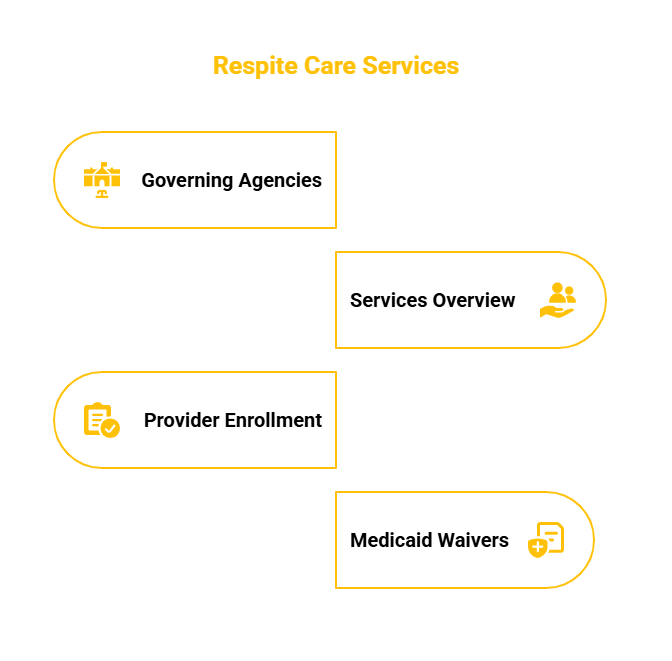
Waiver Consulting Group supports agencies in launching Medicaid-compliant Respite Care Services in New Mexico through technical assistance regarding business registration, facility licensure, policy development, and Medicaid billing system setup. Our services are designed to help agencies build audit-ready quality assurance systems and effective caregiver engagement strategies that meet all state and federal HCBS standards.
Key Takeaway: Establishing a Respite Care agency in New Mexico requires a disciplined, multi-phase approach that prioritizes regulatory compliance with HSD and DDSD, robust staff credentialing, and strict adherence to Medicaid billing and service documentation requirements. Success hinges on a well-developed policy manual and a clear understanding of the specific requirements of the HCBS waiver programs you intend to serve.
Last verified: May 2024. This article is intended for informational purposes only and does not constitute legal or professional advice. Always verify current state regulations and waiver requirements directly through the New Mexico Human Services Department and the New Mexico Medicaid Provider Enrollment Portal.