RESPITE CARE SERVICES PROVIDER IN NEW JERSEY
By Fatumata Kaba · 2025-09-05 · 6 min read
Respite Care Services in New Jersey serve as a vital support system for family caregivers by providing temporary, professional relief to those caring for individuals with chronic illnesses, disabilities, or age-related conditions. These services are authorized under New Jersey Medicaid Home and Community-Based Services (HCBS) waiver programs and are designed to prevent caregiver burnout while ensuring the safety and continuity of care for the participant.
Why Is Respite Care Essential for New Jersey Medicaid Providers?
Caregiver burnout is a significant public health concern that can lead to physical, emotional, and mental exhaustion for those providing unpaid care. By offering planned or emergency respite, provider agencies play a critical role in the state's long-term care infrastructure, allowing primary caregivers the time necessary to attend to personal matters, medical appointments, or needed rest. This support is essential for maintaining the stability of the home-based care model, which is a primary focus of the New Jersey Department of Human Services (DHS) and the Division of Developmental Disabilities (DDD).
From a provider perspective, establishing a Respite Care agency requires a firm commitment to person-centered planning. Because these services are funded through HCBS waivers, agencies must demonstrate that they can provide high-quality supervision and support that aligns strictly with the participant’s Individualized Service Plan (ISP). By delivering reliable relief services, providers ensure that participants can continue to live in their preferred community settings rather than requiring institutionalization.
What Are the Governing Agencies and Regulatory Requirements?
The delivery of Respite Care in New Jersey is governed by a multi-tiered regulatory framework. The New Jersey Department of Human Services (DHS) acts as the primary administrator, overseeing Medicaid waiver funding, provider enrollment, and reimbursement protocols. The Division of Developmental Disabilities (DDD) is responsible for the ongoing quality assurance of these services, ensuring that providers meet strict service delivery standards and maintain compliance with state regulations.
At the federal level, the Centers for Medicare & Medicaid Services (CMS) provides oversight to ensure that state-run Medicaid programs comply with national HCBS quality standards. This includes adherence to person-centered planning requirements and participant protection protocols. Providers must operate with a clear understanding of these roles, as failure to align with both state and federal directives can result in billing denials or the loss of provider certification.
Governing agencies include:
- New Jersey Department of Human Services (DHS): Manages Medicaid waiver funding and provider enrollment.
- Division of Developmental Disabilities (DDD): Regulates quality standards and service delivery compliance.
- Centers for Medicare & Medicaid Services (CMS): Sets federal standards for HCBS programs and participant protections.
How Do You Obtain Licensing and Provider Approval?
Entering the New Jersey Medicaid Respite Care market requires a methodical approach to business formation and credentialing. Before seeking Medicaid enrollment, the agency must be legally established within the state, which includes registering the business entity with the New Jersey Division of Revenue and Enterprise Services and obtaining a federal Employer Identification Number (EIN) and a Type 2 National Provider Identifier (NPI).
If the agency intends to offer facility-based respite, it must secure specific facility licensure from the DHS or the appropriate oversight agency. Regardless of the service setting, providers must maintain comprehensive general and professional liability insurance. The development of a robust internal Policy and Procedure Manual is a mandatory prerequisite, covering critical areas such as intake, caregiver communication, emergency preparedness, and incident reporting. All documentation must be audit-ready to satisfy state and federal scrutiny.
What Is the Required Enrollment and Launch Timeline?
Launching a Medicaid-approved respite agency is a complex project that typically spans several months. The timeline is generally divided into four distinct phases: business formation, staffing and infrastructure, state enrollment, and final billing setup. The initial phase focuses on compliance, business entity registration, and securing necessary insurance coverage. During the second phase, the agency must finalize its internal policies and hire qualified personnel who meet state-mandated education and certification requirements.
The third phase involves the formal submission of the Provider Enrollment Application through the New Jersey Medicaid Provider Enrollment Portal. During this window, which may take 60 to 90 days, the DHS and DDD will conduct a program readiness review to assess the agency's ability to maintain participant safety. Finally, once approved, the agency will configure its internal systems for Medicaid billing. This methodical process ensures that all agencies are fully prepared to meet the rigorous demands of HCBS service delivery.
Estimated timelines for launch include:
- Phase 1 (Formation & Compliance): 1–2 months
- Phase 2 (Staffing & Program Development): 2–3 months
- Phase 3 (Medicaid Enrollment & Readiness Review): 60–90 days
- Phase 4 (Billing Setup & Launch): 30–45 days
What Staffing Standards Must Be Met?
Respite care is a human-centric service that relies heavily on the qualifications of direct support staff. The Respite Services Program Director is generally required to hold a bachelor’s degree in a human services or healthcare-related field, with a preference for prior supervisory experience. This individual is responsible for ensuring that all services remain compliant with the participant’s care plan.
Direct care staff must meet baseline standards, including a high school diploma or GED, valid CPR and First Aid certifications, and successful completion of background screenings. Furthermore, the agency must provide ongoing training in HIPAA compliance, abuse and exploitation prevention, infection control, and emergency preparedness. These training requirements are not merely suggestions; they are core components of maintaining an active, compliant provider status in New Jersey’s Medicaid waiver programs.
Frequently Asked Questions
Does New Jersey Medicaid cover respite care for all individuals?
Respite Care Services are available through specific Medicaid waiver programs such as the Supports Program, the Community Care Program for the Elderly and Disabled (CCPED), the Acquired Brain Injury (ABI) Waiver, and the Personal Care Assistant (PCA) Waiver. Eligibility depends on the specific waiver under which the participant is enrolled.
Can I provide respite care in the participant's home?
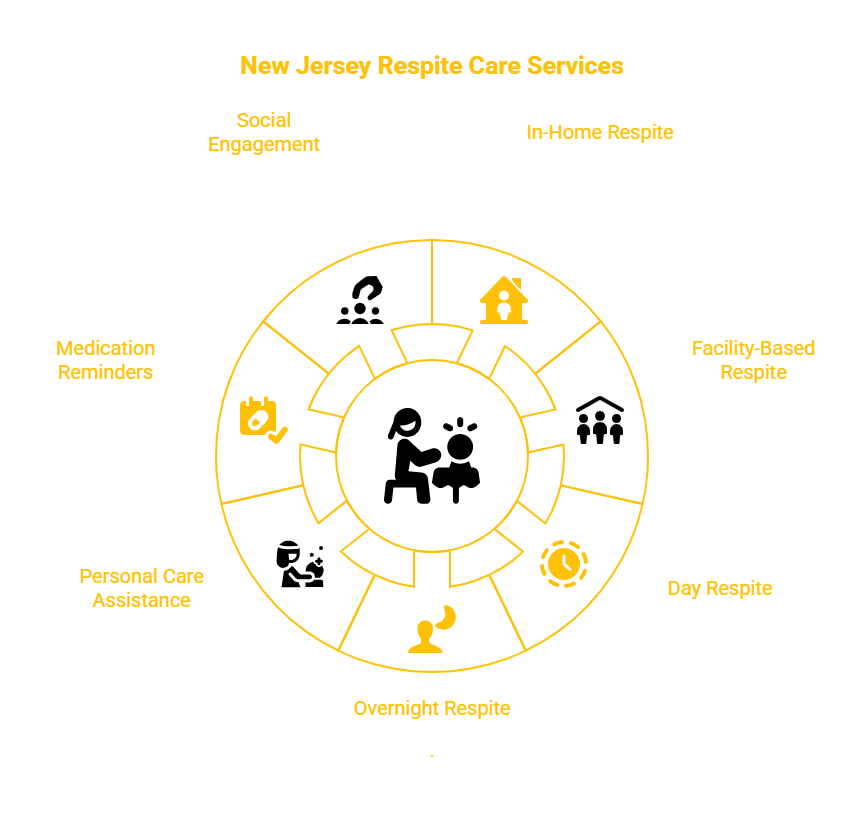
Yes, In-Home Respite Services are a primary component of these programs. Agencies may also provide facility-based, day, or overnight/weekend respite depending on the authorization granted in the participant’s Individualized Service Plan (ISP).
What documentation is needed for a readiness review?
Providers must be prepared to submit articles of incorporation, proof of insurance, a comprehensive Policy & Procedure Manual, staff credentialing documentation, and documented protocols for emergency preparedness and critical incident reporting during the readiness review process.
WCG Support Services for New Jersey Providers
WCG provides comprehensive assistance to agencies seeking to launch and operate Medicaid-compliant Respite Care Services in New Jersey. This includes support with business registration, Medicaid enrollment, facility licensure, and the development of audit-ready Policy and Procedure Manuals. Additionally, WCG assists with staff credentialing systems, participant intake documentation, and the configuration of billing systems to ensure long-term operational success.
The key takeaway for any agency founder is that compliance is the foundation of service sustainability in New Jersey. By meticulously following the requirements set forth by the DHS, DDD, and CMS—and by maintaining an organized, audit-ready operational infrastructure—providers can deliver consistent, high-quality respite care while successfully navigating the complex Medicaid landscape.
Last verified: October 2023. Disclaimer: This article is for informational purposes only and does not constitute legal or professional consulting advice. Requirements for New Jersey Medicaid waivers are subject to change. Always verify current regulations and policy manuals directly through the New Jersey Department of Human Services (DHS) and the Division of Developmental Disabilities (DDD) official websites before making business decisions.