RESPITE CARE SERVICES PROVIDER IN LOUISIANA
By Fatumata Kaba · 2025-08-12 · 5 min read
Respite care services in Louisiana provide essential, short-term relief for primary caregivers by offering professional, substitute care for individuals with disabilities, chronic conditions, or age-related limitations. By enrolling as a Medicaid-approved provider, your agency ensures that participants continue to receive high-quality, compassionate support in their homes or licensed community settings, fulfilling a critical gap in the Home and Community-Based Services (HCBS) ecosystem.
Understanding the Regulatory Landscape for Louisiana Respite Services
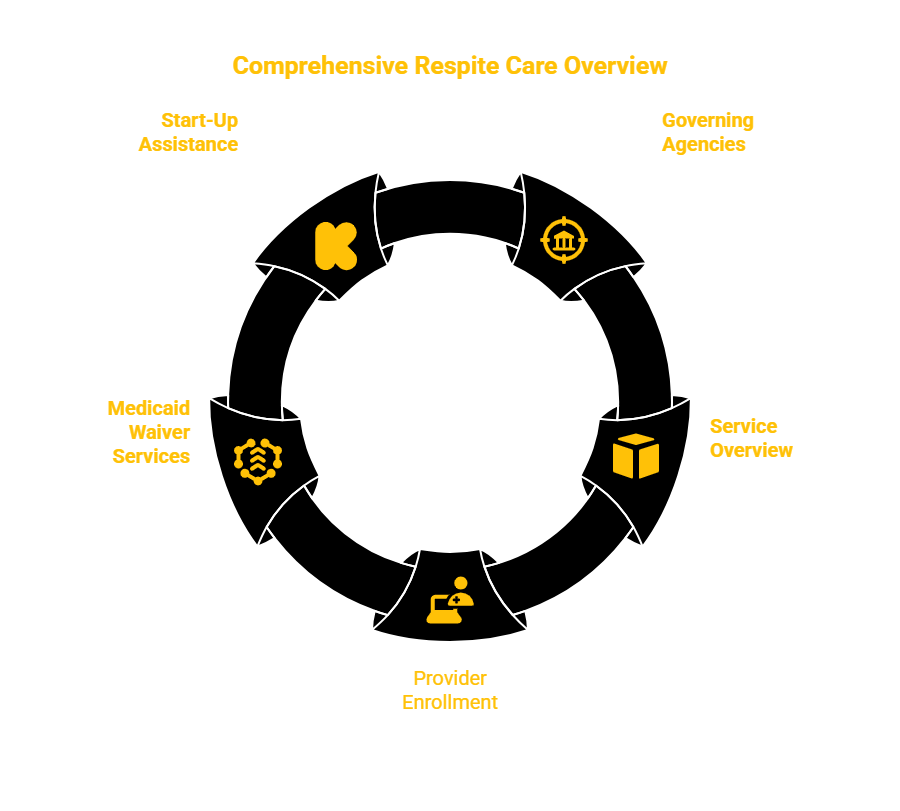
The delivery of respite care in Louisiana is strictly regulated to ensure participant safety and fiscal accountability. Oversight is primarily managed by the Louisiana Department of Health (LDH), specifically through the Office for Citizens with Developmental Disabilities (OCDD) and the Office of Aging and Adult Services (OAAS). These offices define the scope of services, set quality standards, and monitor compliance across various waiver programs.
Federal oversight is maintained by the Centers for Medicare & Medicaid Services (CMS), which authorizes the 1915(c) waivers that fund these services. To successfully operate as a provider, you must integrate your administrative workflows with the Medicaid Management Information System (MMIS) and Molina Medicaid Solutions for claims and enrollment. In many instances, Managed Care Organizations (MCOs) under the Bayou Health network serve as the primary coordinators for service authorization, necessitating a clear understanding of how to interface with these entities to ensure proper reimbursement for the care delivered.
What Scope of Care Can Respite Providers Deliver?
Respite care acts as a temporary intervention designed to alleviate the burden on unpaid family caregivers. This support must be formalized within the participant’s Plan of Care (POC), which serves as the blueprint for the services provided. Whether the service is planned for a caregiver’s scheduled absence or utilized during an emergency, the care must be consistently documented to meet state audit requirements.
Approved respite care activities generally include:
- In-home respite: Providing direct support within the participant’s home environment.
- Out-of-home respite: Coordinating care within a licensed residential or day facility setting.
- ADL/IADL Assistance: Supporting activities of daily living and instrumental activities of daily living to maintain the individual’s routine.
- Behavioral and Medical Support: Assisting with behavioral needs or ensuring safety during the absence of the primary caregiver.
- Flexible Scheduling: Providing coverage that ranges from hourly assistance to overnight or weekend stays, depending on the specific waiver authorization.
Navigating the Provider Enrollment and Licensing Process
Launching a respite care program requires a structured approach to business registration and Medicaid enrollment. Before providing services, an agency must be legally established with the Louisiana Secretary of State and possess a valid IRS EIN and Type 2 NPI. The enrollment process varies significantly depending on whether the provider intends to offer in-home services or facility-based care.
For in-home providers, the focus is on enrolling through the Louisiana Medicaid Provider Enrollment Portal and securing the necessary clearances from the LDH. Facility-based providers face additional requirements, including site inspections, life safety code compliance, and ADA accessibility verification through the LDH Health Standards Section. Maintaining active communication with OCDD or OAAS during this phase is vital for aligning your business model with the specific needs of the local waiver population.
Essential Administrative and Policy Requirements
Operational success hinges on the development of a comprehensive Respite Care Policy & Procedure Manual. This document is the cornerstone of your agency’s audit readiness. It must clearly outline how the agency manages daily intake, shift documentation, and emergency response. When state auditors review your practice, they look for evidence that your policies are not just written but actively practiced by your staff.
Key documentation and policy elements that must be maintained include:
- Client intake and ongoing scheduling templates.
- Daily activity logs and shift documentation forms that record specific care delivered.
- Standardized protocols for medication administration, if applicable to the participant’s care plan.
- Detailed emergency and incident response procedures to ensure staff safety and participant well-being.
- Participant rights, informed consent forms, and mandatory abuse prevention training logs.
- Billing logs that reconcile service delivery with authorized waiver hours.
Staffing, Credentialing, and Training Standards
The quality of your respite services is defined by the competency of your Direct Support Professionals (DSPs). All staff, whether full-time or part-time, must undergo a rigorous background check process and hold a high school diploma or equivalent. Beyond basic experience, your agency is responsible for ensuring that every staff member is prepared to handle the specific needs of the individuals they support.
Training should be consistent and documented, covering at a minimum:
- HIPAA compliance and the protection of participant confidentiality.
- Mandatory reporting requirements for abuse and neglect.
- Techniques for supporting ADLs and IADLs in a person-centered manner.
- Infection control and site-specific emergency protocols.
Frequently Asked Questions
How long does the launch process typically take?
The timeline varies based on the scope of the agency. Generally, business registration and initial hiring take 1–2 months, followed by 60–90 days for Medicaid enrollment and manual development. Facility-based providers may require an additional month for specific licensing and site inspection requirements.
Which Medicaid waivers cover respite care services?
Respite care is authorized under several key programs, including the Residential Options Waiver (ROW), New Opportunities Waiver (NOW), Supports Waiver, Children’s Choice Waiver, and the Community Choices Waiver. Additionally, the Money Follows the Person (MFP) program may provide support for caregivers as individuals transition out of institutional settings.
What is the primary role of a support coordinator?
Support coordinators are the primary link between the participant and the provider. They authorize the services within the Plan of Care and facilitate referrals to your agency. Building a professional relationship with these coordinators is essential for receiving timely referrals and ensuring that your services meet the identified needs of the waiver participants.
Key Takeaway
Establishing a successful respite care provider agency in Louisiana requires a dual focus on rigorous administrative compliance and the delivery of person-centered care. By strictly adhering to LDH and CMS guidelines, maintaining transparent documentation, and fostering strong relationships with waiver support coordinators, providers can create a sustainable business that plays a vital role in supporting the stability of families across the state.
Last verified: September 2023. Disclaimer: This article is for informational purposes only and does not constitute legal or professional medical advice. Provider requirements are subject to change by the Louisiana Department of Health and CMS. Always consult the official Louisiana Medicaid Provider Enrollment Portal and relevant state agency manuals for the most current regulations and policy updates.