RESPITE CARE SERVICES PROVIDER IN ALASKA
By Fatumata Kaba · 2025-07-04 · 6 min read
SUPPORTING FAMILIES AND INDIVIDUALS WITH DISABILITIES THROUGH TEMPORARY RELIEF SERVICES
Respite Care services in Alaska serve as a critical pillar of the state's Home and Community-Based Services (HCBS) infrastructure, providing essential, temporary relief to primary caregivers of individuals with disabilities, chronic conditions, or age-related needs. By offering supervised, professional care in the recipient's home or a community-based setting, these programs ensure continuity of care while supporting the health and well-being of the entire family unit under the guidance of the Alaska Department of Health and its Division of Senior and Disabilities Services (SDS).
Understanding the Role of Respite Care in Alaska's HCBS Waivers
Respite care is designed specifically to mitigate caregiver burnout, a common challenge for families providing long-term support to loved ones with complex needs. In Alaska, this service is not merely a convenience but a formalized component of the state’s Medicaid waiver programs, which aim to keep participants safely in their homes and communities rather than in institutional care settings. These services are governed by a robust framework involving the Alaska Department of Health’s SDS, state Medicaid systems, and federal oversight provided by the Centers for Medicare & Medicaid Services (CMS).
For an agency to operate effectively, it must adhere to the specific regulatory requirements dictated by the participant’s individualized person-centered service plan. Whether providing hourly, daily, or emergency respite, the primary objective is to maintain a high standard of safety, comfort, and ADL (Activity of Daily Living) support, ensuring that when the primary caregiver returns, the recipient has remained stable and well-supported.
Essential Prerequisites for Launching a Respite Agency
Entering the Alaska HCBS market as a provider requires a structured approach to business formation and regulatory compliance. Before engaging with state agencies, prospective providers must solidify their operational foundation. This includes formalizing the business entity with the Alaska Division of Corporations, Business and Professional Licensing and obtaining a federal Employer Identification Number (EIN). Furthermore, securing a Type 2 National Provider Identifier (NPI) is mandatory for institutional-level billing and reporting.
Operational readiness is equally critical. A provider must demonstrate the physical capacity to deliver services, which necessitates a dedicated office address in Alaska and the development of comprehensive human resources protocols. Because the work involves vulnerable populations, the ability to recruit, vet, and train competent care staff is a non-negotiable requirement for licensure and enrollment approval.
- Proper business registration with the Alaska Division of Corporations.
- Obtaining a valid Type 2 NPI and IRS-issued EIN.
- Securing comprehensive business and professional liability insurance.
- Establishing physical office infrastructure within the state.
- Creating standardized documentation systems for service delivery and time-tracking.
Navigating the SDS Provider Enrollment Process
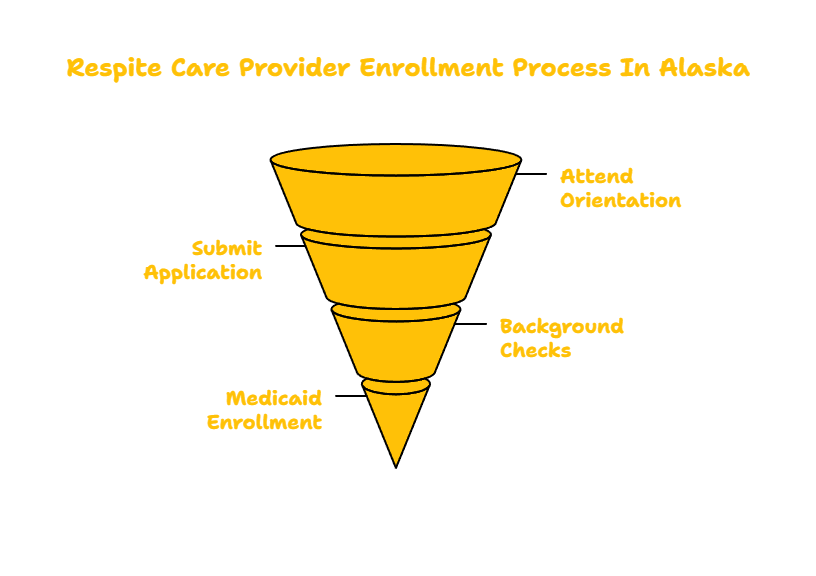
The path to becoming an approved Medicaid provider in Alaska is a multi-phased endeavor that begins with engagement with the Division of Senior and Disabilities Services. Providers should proactively reach out to SDS to understand current program expectations and attend any available informational orientations. This early-stage communication ensures that the organization’s proposed service model aligns with the needs of the waiver programs it intends to support.
Once the foundation is set, the application process requires the submission of extensive organizational documentation. This includes financial disclosures, detailed service descriptions, and a robust policy manual that addresses everything from client rights to emergency procedures. Following SDS approval, the provider must navigate the Alaska Medicaid Management Information System (MMIS). This final phase links the agency to the Medicaid billing infrastructure, allowing the provider to officially begin claims reimbursement for the specific waiver service lines they have been approved to deliver.
Required Documentation and Operational Compliance
Documentation is the backbone of audit readiness in the Alaska HCBS system. A provider’s policy and procedure manual serves as a roadmap for daily operations and must be readily available for review by state auditors. These documents should clearly outline intake procedures, confidentiality standards, and grievance resolution mechanisms. When the state evaluates a provider, they look for evidence that the agency follows its own written policies consistently.
Furthermore, daily service logs must be meticulous. Every hour or day of care provided must be documented in a way that directly correlates to the participant's person-centered plan. Failure to maintain these records in a manner compliant with Medicaid requirements can result in denied claims or, in extreme cases, the revocation of provider status.
- Articles of Incorporation and business license certificates.
- Comprehensive Policy & Procedure Manual (intake, ethics, emergencies, hiring).
- Clear incident reporting and grievance resolution workflows.
- Evidence of staff training in confidentiality and HIPAA compliance.
- Medicaid-compliant timekeeping and daily activity documentation logs.
Staffing, Training, and Regulatory Standards
The quality of a respite care agency is defined by its personnel. The Program Administrator must possess a strong background in health administration or HCBS services, demonstrating a clear understanding of the waiver system’s unique requirements. Similarly, frontline respite staff must meet baseline educational standards—typically a high school diploma or GED—and undergo rigorous screening, including state-mandated criminal background checks.
Beyond initial hiring, continuous professional development is required. All employees must receive training in CPR and First Aid, as well as recurring annual training in areas such as emergency response, professional ethics, and client rights. This ensures that even during temporary relief periods, the care provided meets the high standard of excellence expected by the Alaska Department of Health.
Frequently Asked Questions
Which Medicaid waivers currently authorize respite care in Alaska?
Respite care is authorized under the Alaskans Living Independently (ALI) Waiver, the Adults with Physical and Developmental Disabilities (APDD) Waiver, the Individuals with Intellectual and Developmental Disabilities (IDD) Waiver, and the Children with Complex Medical Conditions (CCMC) Waiver.
How long should a provider expect the enrollment process to take?
The total timeline varies, but generally, business formation takes 1–2 weeks, the SDS application review takes 60–90 days, program readiness takes 30–45 days, and final Medicaid enrollment through the MMIS takes an additional 45–60 days.
What is the primary responsibility of a respite care provider during service delivery?
Providers are responsible for delivering temporary support that adheres to the participant’s person-centered service plan, ensuring safety and comfort while the primary caregiver is away, and maintaining precise documentation of all activities for Medicaid billing compliance.
Waiver Consulting Group Support Services
Waiver Consulting Group provides comprehensive assistance to agencies seeking to launch or expand their respite care services in Alaska. Our support covers the full spectrum of the startup process, including business entity formation, the creation of SDS-compliant policy manuals, the design of clinical and incident-tracking forms, and guidance through the Medicaid MMIS enrollment system. We also assist with operational setup, including client service agreements, training modules, and quality monitoring tools, ensuring that your agency is fully prepared to provide high-quality, compliant care to Alaskans in need.
Key Takeaway: Success in the Alaska respite care market requires a meticulous commitment to regulatory compliance, a well-trained workforce, and a clear understanding of the documentation standards mandated by both SDS and the Alaska Medicaid system. By investing in robust operational infrastructure from the start, providers can ensure the long-term sustainability of their agency while providing vital support to vulnerable Alaskans and their families.
Last verified: October 2023. This information is for educational purposes only and does not constitute legal or financial advice. Regulations for Alaska HCBS waivers are subject to change; always verify current requirements directly with the Division of Senior and Disabilities Services (SDS) and official Alaska Medicaid portals.