OUT-OF-HOME RESPITE SERVICES PROVIDER IN OHIO
By Fatumata Kaba · 2025-09-17 · 6 min read
Out-of-home respite services in Ohio provide temporary, essential care for individuals with disabilities, chronic conditions, or age-related needs in a supportive, licensed setting away from their primary residence. These Medicaid-funded services offer a vital bridge for family caregivers, ensuring that their loved ones receive professional care while the primary caregiver takes time for rest, health maintenance, or personal obligations.
Operating an out-of-home respite program requires navigating a complex regulatory landscape overseen by the Ohio Department of Medicaid (ODM), the Ohio Department of Developmental Disabilities (DODD), and the Ohio Department of Aging (ODA). Success as a provider necessitates a deep commitment to regulatory compliance, rigorous staff training, and the implementation of robust person-centered care protocols that align with both state mandates and Centers for Medicare & Medicaid Services (CMS) standards.
How Do Ohio’s Regulatory Agencies Govern Respite Services?
The regulatory framework for out-of-home respite is multi-layered, reflecting the diverse needs of the populations served. The Ohio Department of Medicaid (ODM) serves as the primary authority, managing the financial administration of waiver funding, overseeing provider enrollment processes, and establishing the standards for service authorization and billing. All respite providers must maintain strict adherence to ODM guidelines to ensure continued participation in the Medicaid network.
For providers serving specific populations, additional oversight applies. The Ohio Department of Developmental Disabilities (DODD) acts as the certifying body for programs supporting individuals with developmental disabilities, ensuring that facilities meet health, safety, and quality-of-care standards. Simultaneously, the Ohio Department of Aging (ODA) regulates waiver programs focused on older adults. Furthermore, the Centers for Medicare & Medicaid Services (CMS) provides federal oversight, ensuring that all Ohio-based home and community-based services (HCBS) remain compliant with national person-centered care requirements.
What Does the Operational Scope of Out-of-Home Respite Include?
Out-of-home respite care is delivered in structured environments such as group homes, dedicated respite centers, or certified provider homes. The primary objective is to provide a seamless transition for the participant while maintaining their daily routine and safety. Providers are expected to maintain comprehensive documentation of all interactions, care activities, and medical observations to satisfy state audit requirements.
Beyond basic supervision, approved providers are responsible for delivering a high standard of care tailored to the individual’s service plan. This includes, but is not limited to, the following core responsibilities:
- 24-Hour Supervision: Maintaining a secure, structured environment tailored to the participant’s specific support needs.
- Health and Personal Care: Assisting with activities of daily living (ADLs) such as hygiene, grooming, dressing, and eating, alongside professional medication administration and health monitoring.
- Engagement and Nutrition: Facilitating social and recreational activities and ensuring the provision of nutritious meals that meet dietary requirements.
- Logistical Support: Coordinating transportation to and from the facility and maintaining proactive communication with family caregivers regarding the participant’s well-being.
What Are the Essential Requirements for Provider Certification and Licensing?
Launching a respite program is a multi-step process that begins with establishing a formal business entity and securing the necessary federal credentials. Prospective providers must register their business with the Ohio Secretary of State and obtain an Employer Identification Number (EIN) from the IRS, as well as a Type 2 National Provider Identifier (NPI). These foundational steps are prerequisites for any further certification or enrollment applications.
Once the business entity is established, the provider must demonstrate facility readiness and operational integrity. This includes proving compliance with local building, fire safety, and accessibility codes. Providers must also curate a comprehensive Policy and Procedure Manual that addresses supervision protocols, emergency response plans, medication management, and participant rights. Furthermore, all staff must be vetted through stringent background checks and hold current certifications in CPR and First Aid.
How Do You Navigate the Provider Enrollment Process?
The enrollment process is highly sequential and requires significant attention to detail to avoid delays. Initially, applicants must apply through the Ohio Medicaid Provider Network or the state’s designated provider enrollment system. If the agency intends to serve individuals with developmental disabilities, they must also complete the certification process through the DODD, which often involves a site inspection to ensure the facility meets state-mandated standards for health and safety.
Following the submission of all required documentation—including insurance certificates, organizational filings, and policy manuals—the state will conduct a readiness review. During this phase, ODM or DODD representatives evaluate the provider’s operational readiness, staff qualifications, and physical site compliance. Only after the review is successfully cleared and all documentation is verified will the provider be issued a Medicaid billing number, marking the official authorization to begin billing for services rendered.
What Staffing and Training Standards Must Be Met?
The quality of respite services is directly tied to the competency and qualifications of the personnel. A typical program requires a Program Administrator, who is generally expected to hold a degree in a relevant field such as health, human services, or social work, and possess significant experience in compliance and facility management. Direct Support Professionals (DSPs) serve as the backbone of the agency, requiring at least a high school diploma or GED, alongside specialized training in behavior support and personal care.
All staff members are subject to mandatory training requirements to ensure participant safety and program compliance. This includes:
- Mandatory Training Modules: Completion of DODD-approved training, HIPAA privacy standards, and participant rights protections.
- Ongoing Competency: Annual evaluations to ensure that staff remain proficient in safety, emergency response, and crisis management protocols.
- Documentation Training: Best practices for accurate, objective clinical and administrative reporting for Medicaid compliance.
- Specialized Clinical Care: If the population requires it, licensed nursing staff (RNs or LPNs) must be available to manage complex health needs.
Frequently Asked Questions
Which Medicaid waivers currently cover out-of-home respite services in Ohio?
Out-of-home respite is authorized under several key waivers, including the Level One Waiver, Individual Options (IO) Waiver, the SELF Waiver, the PASSPORT Waiver for older adults, and the Ohio Home Care Waiver.
What is the typical timeline for launching an out-of-home respite provider agency?
The timeline varies based on readiness, but generally ranges from 6 to 9 months. This includes 1–2 months for business formation, 2–3 months for site and policy development, 60–90 days for the enrollment and certification review, and 30–45 days for final billing setup.
What documentation is critical for maintaining compliance during state audits?
Providers must maintain organized records including proof of liability insurance, staff training logs, background check results, comprehensive policy manuals, and detailed daily service documentation that tracks the care activities and participant status during each respite stay.
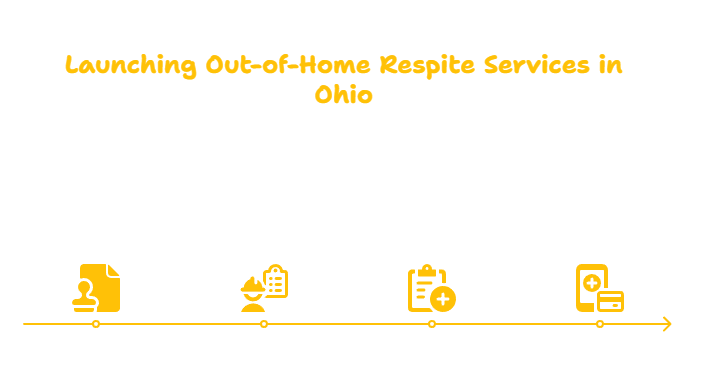
WAIVER CONSULTING GROUP’S START-UP ASSISTANCE SERVICE — OHIO OUT-OF-HOME RESPITE SERVICES PROVIDER
WCG supports agencies in launching Medicaid-compliant Out-of-Home Respite Services in Ohio, offering:
- Business formation, Medicaid enrollment, and licensing assistance.
- Facility readiness planning and DODD/ODA certification guidance.
- Policy manual development for respite, safety, and emergency procedures.
- Staff credentialing, training templates, and compliance documentation.
- Medicaid billing setup and audit-prepared financial tools.
- Branding, website creation, and family outreach strategies.
- Quality assurance systems for safety, care standards, and documentation.
- Coordination with county boards, waiver case managers, and family caregivers.
Key Takeaway: Establishing an out-of-home respite provider agency in Ohio is a rigorous commitment that balances business infrastructure with strict adherence to Medicaid HCBS regulations. By focusing on compliant facility management, thorough staff training, and robust documentation, providers can effectively meet the critical needs of caregivers and participants while ensuring long-term operational sustainability.
Last verified August 2024. Disclaimer: This information is for educational purposes only and does not constitute legal or professional advice. Always consult with the Ohio Department of Medicaid and applicable state agencies for the most current rules and regulations.