NON-MEDICAL TRANSPORTATION SERVICES PROVIDER IN NORTH CAROLINA
By Fatumata Kaba · 2025-09-15 · 5 min read
ENSURING ACCESS TO COMMUNITY ACTIVITIES AND ESSENTIAL SERVICES THROUGH SAFE AND RELIABLE TRANSPORTATION
Non-Medical Transportation Services in North Carolina are a vital component of the Home and Community-Based Services (HCBS) framework, designed to help individuals with disabilities, chronic conditions, or age-related challenges maintain independence. By facilitating access to community activities, employment, and social events, these services bridge the gap between healthcare needs and active participation in daily life, ensuring participants can successfully navigate their communities through safe, reliable, and person-centered transit solutions.
What is the Role of Governing Agencies in North Carolina Transportation?
The provision of Non-Medical Transportation services is highly regulated to ensure participant safety and fiscal accountability. The North Carolina Department of Health and Human Services (NCDHHS) serves as the primary entity responsible for the administration of Medicaid waiver funding, overseeing the integrity of provider enrollment, service authorization protocols, and the reimbursement process for all state-approved transportation activities.
Complementing this oversight, the North Carolina Division of Health Benefits (NC Medicaid) manages the broader waiver service landscape, ensuring that all provider participation aligns with state Medicaid policies. Additionally, the North Carolina Division of Mental Health, Developmental Disabilities, and Substance Abuse Services (DMH/DD/SAS) provides specific oversight for services tailored to individuals with developmental disabilities and behavioral health needs, while the Centers for Medicare & Medicaid Services (CMS) provides federal-level guidance to ensure that all services adhere to established national quality, safety, and person-centered care standards.
What Services are Included Under Non-Medical Transportation?
Authorized providers of Non-Medical Transportation offer a comprehensive suite of services designed to address the unique mobility needs of participants. These services go beyond simple transit; they focus on facilitating the social and vocational integration of individuals who might otherwise be isolated. Providers are expected to manage logistics, ensure vehicle safety, and provide physical assistance during the transit process.
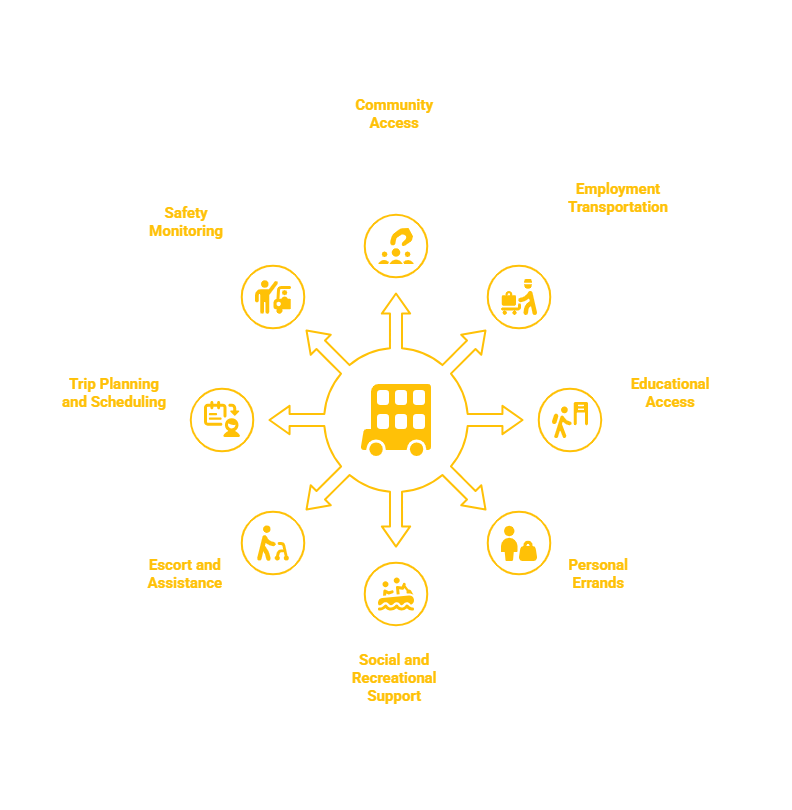
Approved services typically include the following areas of support:
- Community Access Transportation: Rides to community events, social activities, and recreational programs.
- Employment Transportation: Reliable transport to and from workplaces or vocational programs.
- Educational Access: Transportation to educational and training programs.
- Personal Errands: Assistance with transportation for shopping, banking, and other daily tasks.
- Social and Recreational Support: Enabling participation in group outings and leisure activities.
- Escort and Assistance: Providing support during transit, including mobility and boarding assistance.
- Trip Planning and Scheduling: Coordinating transportation according to individual needs and schedules.
- Safety Monitoring: Ensuring the safety and comfort of passengers during transit.
- Documentation: Keeping accurate trip logs, mileage records, and service reports.
What are the Licensing and Provider Enrollment Requirements?
Becoming an approved Medicaid provider in North Carolina requires a rigorous adherence to administrative and safety prerequisites. Before initiating services, prospective providers must register their business entity with the North Carolina Secretary of State and secure the necessary federal documentation, including an Employer Identification Number (EIN) from the IRS and a Type 2 National Provider Identifier (NPI). This foundational step ensures that the business is legally recognized and capable of entering into a contract with the state.
Following registration, providers must navigate the NCTracks Provider Portal to submit their enrollment application for HCBS waivers. This process is comprehensive, requiring the submission of detailed insurance information—including general liability, professional liability, and specialized vehicle insurance—alongside a robust Policy and Procedure Manual. These manuals must clearly outline the agency’s internal controls regarding vehicle maintenance, passenger safety, scheduling logic, and the specific screening processes for drivers, such as mandatory background checks and health assessments.
How Does the Enrollment and Readiness Review Process Work?
The transition from applicant to active provider involves a phased review designed to verify operational readiness. Initially, the applicant must complete the provider enrollment application via the NCTracks Portal. During this phase, all business documentation, such as Articles of Incorporation and proof of insurance, is audited for compliance with NCDHHS and DMH/DD/SAS standards. This documentation serves as the bedrock of the agency's ability to participate in Medicaid-funded programs.
Following the submission of documents, state agencies conduct a program readiness review. This evaluation is not merely administrative; it assesses the practical execution of safety protocols, the adequacy of driver training programs, and the effectiveness of passenger assistance techniques. Once the agency demonstrates that it can consistently meet these requirements, they are formally approved to bill Medicaid using designated service codes. This approval marks the beginning of the agency's ability to provide billable services to eligible Medicaid waiver participants.
What are the Mandatory Staffing and Training Requirements?
Staffing qualifications are strictly monitored to ensure that every participant receives high-quality, safe, and respectful care. At the administrative level, a Transportation Program Director is required, ideally possessing a Bachelor’s degree in business management or logistics, coupled with a proven history in compliance management. This individual is responsible for the oversight of the entire transportation operation and the maintenance of internal quality assurance.
Transportation Specialists and drivers must maintain a valid commercial driver's license (CDL) with the appropriate passenger endorsement. Beyond driving competency, all staff members must undergo an extensive training curriculum that includes:
- Training in passenger safety, mobility support, and defensive driving.
- HIPAA compliance and an understanding of passenger rights.
- Annual competency evaluations and ongoing professional development.
- Safety, emergency response, and incident management protocols.
- Documentation and record-keeping best practices.
Frequently Asked Questions
Which Medicaid Waivers cover Non-Medical Transportation Services in North Carolina?
These services are available under several programs, including the Innovations Waiver, the Community Alternatives Program for Disabled Adults (CAP/DA), the Community Alternatives Program for Children (CAP/C), the Traumatic Brain Injury (TBI) Waiver, and the general Home and Community-Based Services (HCBS) Waiver.
How long does the typical startup process take for a new transportation provider?
The timeline varies based on organizational readiness, but typically involves 1–2 months for business formation, 2–3 months for hiring and program development, 60–90 days for Medicaid enrollment and readiness review, and 30–45 days for final billing setup.
What must be included in the Policy and Procedure Manual?
The manual must detail trip planning and scheduling, safety protocols, driver credentialing, vehicle maintenance logs, documentation standards, HIPAA compliance, passenger rights, grievance handling, emergency response protocols, and quality assurance monitoring.
WAIVER CONSULTING GROUP’S START-UP ASSISTANCE SERVICE — NORTH CAROLINA NON-MEDICAL TRANSPORTATION SERVICES PROVIDER
WCG supports agencies in launching Medicaid-compliant Non-Medical Transportation Services in North Carolina, offering:
- Business registration, Medicaid enrollment, and licensing assistance.
- Policy manual development for transportation safety and trip planning.
- Staff credentialing, training program templates, and compliance documentation.
- Medicaid billing setup and audit-prepared financial management.
- Branding, website development, and community outreach strategies.
- Quality assurance systems for transportation safety and compliance monitoring.
- Collaboration with healthcare providers and community organizations.
Key Takeaway: Establishing a Non-Medical Transportation provider agency in North Carolina requires meticulous attention to state-mandated documentation, safety-first operational policies, and a commitment to rigorous staff training. By aligning with NCDHHS and DMH/DD/SAS requirements early in the process, providers can ensure both regulatory compliance and the delivery of essential, high-quality support to the Medicaid waiver population.
Last verified: January 2024. This content is for informational purposes only and does not constitute legal or professional advice. Readers should consult the official NCDHHS and NC Medicaid portals for the most current rules, regulations, and requirements.