NON-MEDICAL TRANSPORTATION SERVICES PROVIDER IN NEW YORK
By Fatumata Kaba · 2025-09-03 · 5 min read
FACILITATING ACCESS TO COMMUNITY ACTIVITIES AND SERVICES THROUGH SAFE AND RELIABLE TRANSPORTATION
Non-Medical Transportation Services in New York serve as a critical bridge for individuals with disabilities, chronic conditions, or age-related challenges, ensuring they can access essential community resources, vocational programs, and social activities. Authorized under New York Medicaid Home and Community-Based Services (HCBS) Waiver programs, these services are designed to promote independence and community inclusion by providing reliable, person-centered transit solutions that traditional public transportation may not offer.
Why Is Non-Medical Transportation Essential for HCBS Waiver Participants?
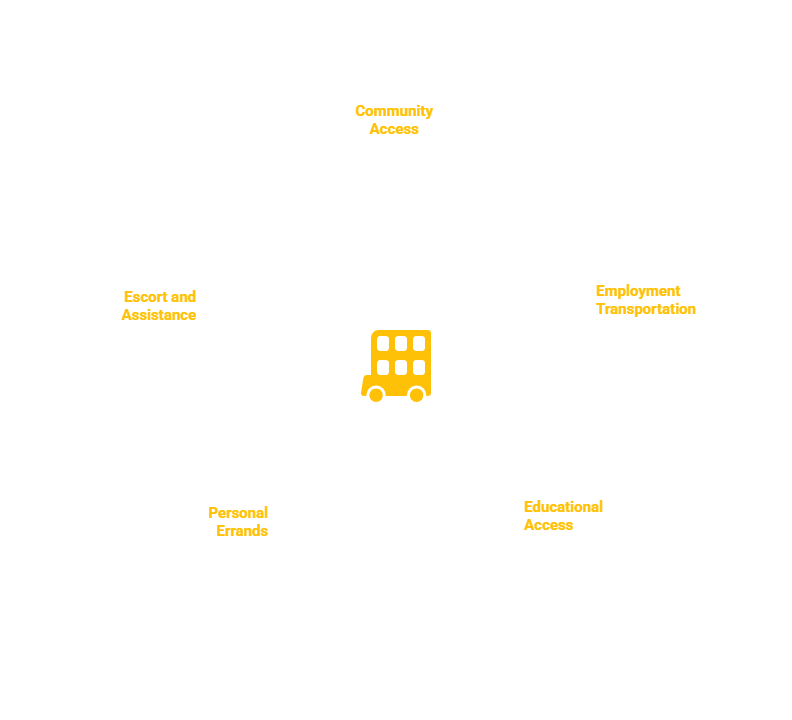
The primary goal of the Medicaid HCBS waiver system is to support individuals in living fulfilling lives within their own communities. For many participants, the inability to arrange reliable transport acts as a significant barrier to employment, educational attainment, and social interaction. By providing dedicated non-medical transportation, provider agencies enable individuals to attend day programs, grocery shop, participate in recreational outings, and maintain essential personal errands that keep them integrated within society.
Beyond basic logistics, these services prioritize safety and specialized support. Unlike commercial ride-share services, non-medical transportation providers are specifically vetted to assist individuals who may require mobility support, boarding assistance, or specialized vehicle accommodations. By facilitating these connections, providers help prevent social isolation and support the broader objectives of state waiver programs aimed at improving the quality of life for New York’s most vulnerable populations.
Which Agencies Govern and Oversee These Services?
The regulatory framework for non-medical transportation in New York is multi-layered, involving both state and federal oversight to ensure consistent quality and financial accountability. The New York State Department of Health (NYSDOH) serves as the primary entity, administering Medicaid waiver funding and overseeing the enrollment and reimbursement processes for providers. Their role ensures that all services rendered align with state health priorities and fiscal regulations.
Specialized oversight is provided by the Office for People With Developmental Disabilities (OPWDD) and the New York State Office of Mental Health (OMH), which focus on the unique safety and behavioral needs of the populations they serve. Furthermore, the Centers for Medicare & Medicaid Services (CMS) provide the federal mandate, ensuring that all state programs adhere to federal requirements for person-centered care, safety standards, and program integrity.
- NYSDOH: Administers funding, manages provider enrollment, and oversees reimbursement.
- OPWDD: Provides oversight for transportation tailored to individuals with developmental disabilities.
- OMH: Ensures compliance for programs serving mental and behavioral health needs.
- CMS: Provides federal oversight to ensure adherence to safety and quality standards.
How Do Providers Obtain Necessary Licensing and Approval?
Launching a non-medical transportation service requires a rigorous commitment to compliance and documentation. Before a provider can begin billing Medicaid, they must establish their business entity with the New York Department of State and obtain an Employer Identification Number (EIN) from the IRS, along with a Type 2 National Provider Identifier (NPI). This foundational step ensures the agency is recognized as a legal business capable of operating within the state.
Following registration, prospective providers must develop comprehensive operational policies. These include detailed protocols for trip planning, vehicle maintenance schedules, and passenger safety guidelines. Because the safety of participants is paramount, agencies must also implement robust internal systems for driver credentialing, which includes thorough background checks, health screenings, and mandatory defensive driving training. Finally, agencies must secure comprehensive insurance coverage, including general liability, professional liability, and specialized vehicle insurance, to mitigate operational risks.
What Is the Step-by-Step Enrollment Process for New York Medicaid?
The enrollment process for HCBS transportation providers is a formal, multi-stage undertaking managed through the eMedNY portal. Initially, the applicant must submit a thorough Provider Enrollment Application specifically categorized for non-medical transportation under the relevant HCBS waiver. This application serves as the formal request for approval to participate in the Medicaid reimbursement system.
Once the application is submitted, the relevant oversight agencies (NYSDOH, OPWDD, or OMH) conduct a program readiness review. This phase is critical, as state auditors evaluate the agency’s capacity to deliver safe services, reviewing the adequacy of their transportation policies, vehicle safety measures, and staff training records. Only after successfully passing this review will the agency receive authorization to bill Medicaid using designated service codes. Maintaining this status requires ongoing adherence to all state and federal regulations, which are subject to periodic audit and monitoring.
- Initial Application: Submission via the eMedNY Portal.
- Documentation Phase: Providing proof of entity registration, NPI, insurance, and policy manuals.
- Readiness Review: State agencies inspect vehicle safety protocols and driver qualifications.
- Approval & Billing: Activation of the provider profile to enable Medicaid reimbursement.
What Are the Essential Documentation and Staffing Standards?
Success in this field hinges on the ability to maintain meticulous records. A provider’s Policy & Procedure Manual must be a living document that covers everything from HIPAA-compliant data handling to incident reporting protocols. This manual must explicitly outline how the agency will manage passenger rights, handle grievances, and respond to on-the-road emergencies. Without clear, written, and consistently followed procedures, an agency risks failing compliance reviews and jeopardizing its Medicaid enrollment.
Staffing also requires a structured approach to ensure competency. The Transportation Program Director must hold relevant qualifications, such as a degree in logistics or business management, to oversee compliance and service delivery. Drivers must hold a valid commercial driver’s license (CDL) with appropriate endorsements and demonstrate expertise in assisting passengers with disabilities. All staff, regardless of their role, are required to participate in ongoing training, including HIPAA education, mobility assistance, and annual competency evaluations.
Frequently Asked Questions
How long does the launch process typically take?
The journey from initial business formation to billing readiness generally spans 6 to 10 months. This timeline includes 1-2 months for business registration, 2-3 months for staff credentialing and policy development, 60-90 days for the Medicaid readiness review, and 30-45 days for final billing system setup.
Are specific commercial driver’s licenses required for all drivers?
Yes, in many cases, a valid commercial driver’s license (CDL) with a passenger endorsement is required, particularly depending on the capacity and type of the vehicles utilized. Providers must ensure all drivers meet these criteria and remain in good standing with the Department of Motor Vehicles.
What does the Medicaid Readiness Review entail?
The review is an audit conducted by the NYSDOH or its oversight partners. It focuses on your agency’s adherence to safety protocols, verification of vehicle inspections, review of driver background checks, and assessment of your organizational capability to manage trip logs and bill the state accurately.
Key Takeaway
Launching a Non-Medical Transportation Service in New York requires a disciplined approach to administrative compliance, rigorous driver training, and a thorough understanding of the specific requirements set forth by NYSDOH and OPWDD. By prioritizing safety, documentation, and the person-centered needs of participants, providers can successfully integrate into the Medicaid HCBS framework and provide essential support to the community.
Last verified: September 2024. This information is for general educational purposes only and does not constitute legal or professional advice. Always consult the official New York State Department of Health (NYSDOH) and eMedNY resources for the most current regulatory guidance and requirements.