Medicare vs Medicaid: What's Right For Your Client or Loved One
By Waiver Consulting Group · 2023-08-11 · 5 min read
Medicare and Medicaid are distinct government-sponsored healthcare programs, with Medicare serving as a federal insurance system based primarily on age and disability, while Medicaid functions as a joint federal-state safety net based on financial need. For provider agency administrators and healthcare professionals, distinguishing between these two programs is essential for ensuring clients receive the correct coverage for long-term care, home and community-based services (HCBS), and acute medical treatment.
What is the Core Difference Between Medicare and Medicaid?
The primary distinction between Medicare and Medicaid lies in their administrative structure and eligibility criteria. Medicare is a federal health insurance program that remains uniform across all 50 states, primarily targeting individuals aged 65 and older, as well as younger individuals living with specific permanent disabilities. Because it is a federal entitlement, eligibility is generally consistent regardless of where the beneficiary resides.
In contrast, Medicaid is a means-tested program administered at the state level under federal guidelines. Because each state has the authority to design its own Medicaid program within federal parameters, eligibility requirements, covered services, and application processes can vary significantly from one state to another. For administrators, this means that while a Medicare card carries consistent expectations, a Medicaid beneficiary’s access to services is often tied to specific state-approved waivers and income thresholds.
How Does Medicare Coverage Structure Work?
Medicare is divided into four distinct "parts," each covering different aspects of the healthcare continuum. Understanding these divisions is critical when coordinating care for seniors or individuals with complex medical needs who may be transitioning from hospital settings to community-based care.
- Part A (Hospital Insurance): Covers inpatient hospital stays, skilled nursing facility care, hospice, and some home health services. Most beneficiaries do not pay a premium if they or their spouse paid Medicare taxes for a designated period.
- Part B (Medical Insurance): Covers outpatient care, doctor visits, preventive services, medical supplies, and durable medical equipment. This requires a monthly premium and typically involves deductibles and 20% coinsurance.
- Part C (Medicare Advantage): A private alternative to Original Medicare that bundles Parts A, B, and often D into a single plan, frequently offering additional benefits such as vision or dental.
- Part D (Prescription Drug Coverage): A voluntary program provided through private insurance companies to help cover the cost of outpatient prescription medications.

Who is Eligible for Medicaid and Why Does it Matter for HCBS?
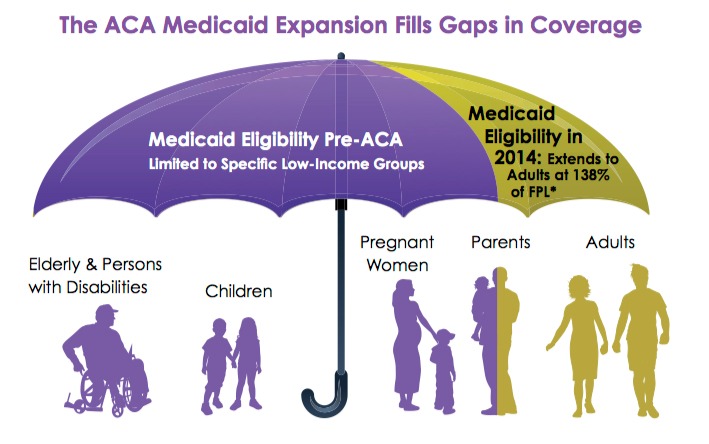
Medicaid serves low-income individuals, families, children, pregnant women, and people with disabilities. For the provider community, the most critical aspect of Medicaid is its role in funding long-term care and Home and Community-Based Services (HCBS), which are rarely covered by traditional Medicare. These programs allow individuals to live in their own homes or community settings rather than institutions.
Eligibility is determined by "means testing," which looks at both income and, in some cases, countable assets. Because Medicaid serves as the primary payer for long-term care services—such as personal care assistance, adult day programs, and case management—it is the foundational program for many HCBS provider agency business models. Ensuring a client is correctly enrolled in the appropriate Medicaid category is the most common hurdle in service delivery.
Can a Beneficiary Have Both Programs Simultaneously?
Individuals who qualify for both Medicare and Medicaid are known as "dual-eligible" beneficiaries. This group often includes some of the most vulnerable populations, such as low-income seniors and younger individuals with significant disabilities. For these individuals, Medicare typically serves as the primary payer for acute medical needs, such as hospitalizations and physician visits.
Medicaid acts as a secondary payer or a "wrap-around" program for these beneficiaries. It may cover the "gaps" in Medicare, such as copayments, deductibles, and premiums, while also providing essential long-term services and supports (LTSS) that Medicare does not cover. Managing dual-eligible clients requires careful coordination to ensure billing is routed to the correct payer, as Medicare usually must be billed before Medicaid.
Navigating State Variability in Medicaid HCBS Waivers
Unlike Medicare, which functions as a national insurance product, Medicaid varies by state. This is particularly relevant regarding 1915(c) waivers or other HCBS authorities. Each state operates under its own State Plan and specific waiver agreements that dictate which services are available, who is eligible, and what the financial caps are for care.
For administrative staff, it is imperative to verify the specific Medicaid waiver requirements for the state in which the client resides. A service that is reimbursable under a waiver in one state may not be authorized in another. Always consult the specific state’s Department of Health or designated Medicaid portal to stay updated on provider manual changes and service definition updates.
Frequently Asked Questions
Does Medicare pay for long-term care in a nursing home or home care?
Generally, no. Medicare provides coverage for medically necessary skilled nursing care for a limited time following a qualifying hospital stay. It does not provide coverage for long-term custodial care, such as assistance with activities of daily living (ADLs), which is typically covered by Medicaid.
Do I have to choose between Medicare and Medicaid?
No. If an individual meets the eligibility requirements for both, they can be enrolled in both programs. In this case, the programs work together to provide comprehensive coverage, with Medicare covering acute medical costs and Medicaid covering long-term services and Medicare cost-sharing.
How do I verify if a doctor accepts both insurance programs?
For Medicare, you can use the provider search tools on the official Medicare website. For Medicaid, because provider networks are localized and managed by states or specific Managed Care Organizations (MCOs), you should check the state’s official Medicaid provider directory or contact the provider’s billing office directly to confirm their specific participation status.
Key Takeaway
Medicare and Medicaid play vital yet distinct roles in providing healthcare access for Americans. Understanding how the two government programs differ is key to getting the appropriate coverage. While Medicare provides essential acute care and hospital insurance, Medicaid is the primary vehicle for long-term care, HCBS, and financial support for low-income populations. Provider agency administrators must maintain a clear understanding of these differences to manage patient billing, care coordination, and program compliance effectively.
Last verified: August 2024. This information is for educational purposes only and does not constitute legal or financial advice. Eligibility and program rules are subject to change. Always consult your state’s Medicaid agency or official federal resources for the most current information regarding your specific circumstances.