MEDICAL SUPPLY SERVICES PROVIDER IN ALABAMA
By Fatumata Kaba · 2025-06-27 · 5 min read
Medical Supply Services in Alabama are specialized supports authorized under the state’s Home and Community-Based Services (HCBS) Medicaid Waivers, designed to provide individuals with intellectual and developmental disabilities (IDD) with essential durable medical equipment (DME) and health-related supplies. These services are strictly regulated by the Alabama Department of Mental Health (ADMH) and the Alabama Medicaid Agency to ensure that all equipment provided is medically necessary, cost-effective, and instrumental in maintaining the health, safety, and independence of participants within their own homes.
Operating a Medical Supply Services provider agency requires a rigorous commitment to clinical compliance, logistical precision, and regulatory adherence. Providers must navigate complex enrollment pathways, maintain stringent documentation standards, and ensure that every item delivered directly supports the goals outlined in an individual’s person-centered service plan.
What Are the Governing Bodies and Their Regulatory Roles?
The delivery of medical supplies within the Alabama HCBS framework is governed by a hierarchy of oversight designed to protect the health and welfare of waiver participants. The Alabama Department of Mental Health (ADMH) serves as the primary entity responsible for reviewing and approving service plans. ADMH ensures that providers remain in strict compliance with HCBS waiver guidelines and maintains the standards for care coordination between the supplier and the individual’s support team.
The Alabama Medicaid Agency oversees the financial and structural aspects of the service. This includes the regulation of provider enrollment, the authorization of specific DME supply requests, and the management of billing and reimbursement protocols. Concurrently, the federal Centers for Medicare & Medicaid Services (CMS) provides overarching federal guidance, ensuring that all state-level medical supply provisions align with federal Medicaid regulations concerning the delivery of home-based support services.
How Do Providers Define and Deliver Medical Supply Services?
Medical Supply Services encompass a broad range of durable medical equipment and health-related items, all of which must be documented as medically justified within the participant’s service plan. These supplies are not merely supplemental; they are essential tools that facilitate daily living, improve personal mobility, and maintain the wellness of individuals living in community settings. Providers must be capable of procuring, delivering, and sometimes training consumers or their caregivers on the use of these items.
- Durable medical equipment, including walkers, wheelchairs, and hospital beds.
- Clinical necessities such as incontinence products, wound care supplies, and adaptive aids.
- Nutritional supplements, provided they are supported by a current physician’s prescription.
- Respiratory equipment, including CPAP machines and related accessories.
- Home safety modifications, such as installed grab bars or shower chairs.
- Routine logistics, including equipment setup, basic maintenance, and product education.
What Are the Prerequisites for Provider Approval?
Establishing a professional medical supply agency in Alabama requires a formal business foundation and evidence of operational maturity. Before applying to the ADMH, prospective providers must register the business entity with the Alabama Secretary of State and obtain both a federal Employer Identification Number (EIN) and a Type 2 National Provider Identifier (NPI). These foundational steps ensure the business is legally recognized and capable of billing federal healthcare programs.
Furthermore, providers must secure the necessary DME licenses or demonstrate accreditation from a CMS-recognized body. The operational infrastructure must be robust enough to handle the complexities of a medical supply business, including comprehensive business liability insurance and a sophisticated system for tracking physical inventory. Establishing formal contracts with manufacturers and distributors is also a prerequisite to ensure a consistent supply chain for Medicaid-approved products.
How Does the ADMH Provider Enrollment Process Work?
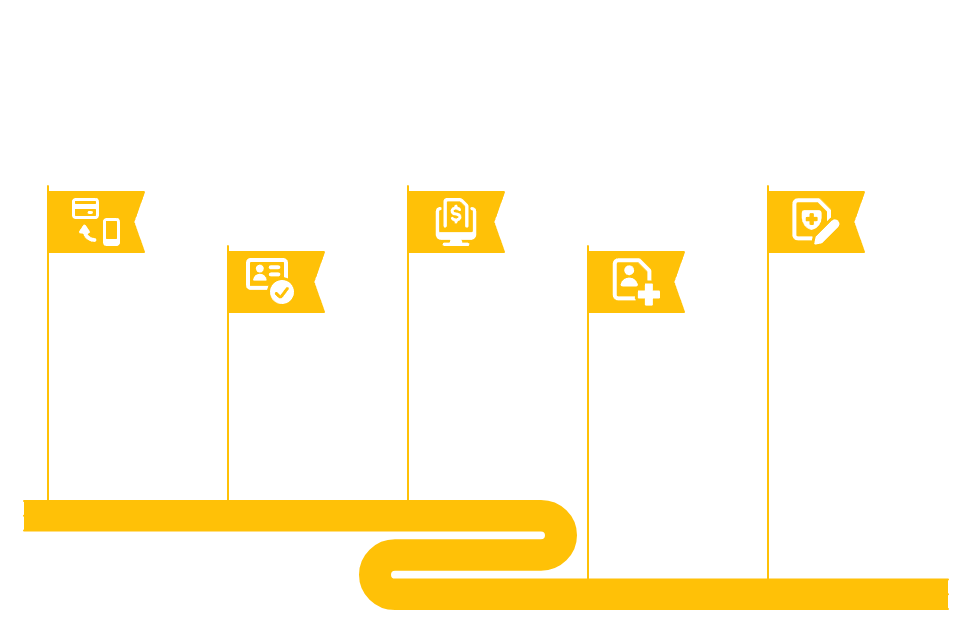
The enrollment process is a sequential path that begins with requesting an application packet from the ADMH Division of Developmental Disabilities. During the initial phase, applicants must submit a detailed business plan that articulates their strategy for inventory control, delivery procedures, and the specific categories of medical equipment they intend to provide. The application must clearly define internal policies for verifying medical necessity, coordinating with interdisciplinary support teams, and maintaining rigorous documentation of every supply issuance.
Once the application is accepted, the provider undergoes a program readiness review. This phase focuses on the integrity of the provider's operational systems, such as billing accuracy, order tracking logs, and product return policies. ADMH reviewers will examine sample documentation, including delivery receipts, consumer consent forms, and verified physician orders. Additionally, the provider must demonstrate that they have emergency response protocols in place to address urgent supply needs for consumers who rely on life-sustaining equipment.
What Are the Essential Documentation and Staffing Standards?
Compliance is anchored in the maintenance of a comprehensive Policy and Procedure Manual. This document must serve as the authoritative guide for the agency, detailing how the provider manages order protocols, data security, consumer satisfaction surveys, and warranty replacements. Staff must be adequately prepared to handle the responsibilities of the business, with clear distinctions between administrative roles and fulfillment personnel.
The Medical Supply Program Manager is required to possess relevant experience in healthcare operations and Medicaid billing, while delivery staff must be trained in the nuances of equipment handling and HIPAA-compliant consumer interaction. All staff members are mandated to complete ADMH orientation, annual ethics training, and specific safety protocols to ensure they operate effectively within the home environment of waiver participants.
Frequently Asked Questions
What waivers cover these medical supplies?
Medical Supply Services are authorized under the Intellectual Disabilities (ID) Waiver, the Living at Home (LAH) Waiver, and the State of Alabama Community Waiver Program.
Is CMS accreditation mandatory for all providers?
While specific requirements depend on the nature of the equipment provided, many programs require providers to hold a DME license or obtain accreditation from a CMS-recognized accrediting organization to ensure compliance with quality standards.
How long does the launch process take?
While business formation can occur quickly, the licensing, ADMH application review, and Medicaid enrollment phases typically each require 60–90 days, making the total timeline for launching a compliant operation significant.
Key Takeaway: Successfully operating as a Medical Supply Services provider in Alabama requires strict adherence to ADMH and Alabama Medicaid Agency guidelines, a robust inventory and billing infrastructure, and a consistent commitment to the documentation of medical necessity. Organizations that prioritize standardized operating procedures and clear communication with service teams are best positioned to serve the IDD community effectively while maintaining regulatory compliance.
Last verified: 2024. This article is intended for informational purposes only and does not constitute legal or professional advice. Requirements for Medicaid waiver programs are subject to change. Please consult with the Alabama Department of Mental Health and the Alabama Medicaid Agency for the most current regulations, policies, and procedural mandates.