MEAL AND NUTRITION SERVICES PROVIDER IN NEW HAMPSHIRE
By Fatumata Kaba · 2025-07-27 · 5 min read
Meal and Nutrition Services in New Hampshire serve as a critical component of the state’s Home and Community-Based Services (HCBS) ecosystem, providing essential dietary support to individuals with disabilities, chronic conditions, or age-related limitations. By facilitating access to medically tailored meals, nutritional planning, and grocery assistance, these services enable participants to maintain their health and live independently within their own homes rather than in institutional settings.
Understanding the Regulatory Landscape for Nutritional Support
The delivery of Meal and Nutrition Services in New Hampshire is overseen by a structured hierarchy of federal and state agencies. The New Hampshire Department of Health and Human Services (DHHS) serves as the primary entity responsible for administering Medicaid waiver funding, managing the enrollment of qualified providers, and overseeing service authorization and reimbursement protocols.
Within the DHHS structure, the Bureau of Elderly and Adult Services (BEAS) plays a pivotal role in ensuring that service delivery remains compliant with state quality standards and the specific needs of HCBS waiver participants. At the federal level, the Centers for Medicare & Medicaid Services (CMS) provides the overarching regulatory framework. CMS mandates that all state-funded meal programs adhere to strict person-centered planning requirements, participant protections, and quality assurance benchmarks to ensure equitable and safe service delivery.
Defining Scope and Service Delivery Standards
Meal and Nutrition Services are highly customizable, designed to align with the unique health profile of each participant. Providers are expected to move beyond simple food delivery by offering comprehensive support that addresses specific clinical or personal dietary requirements as outlined in the individual’s Service Plan (ISP). This ensures that the services provided are not only nutritional but also therapeutic.
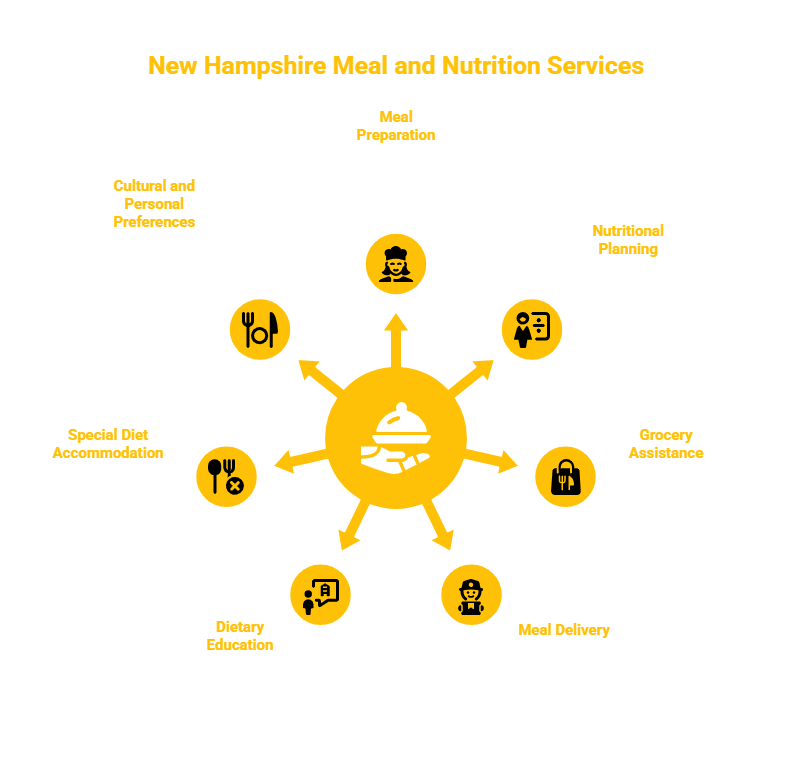
Approved service providers generally offer a multi-faceted approach to support, which may include the following core components:
- Meal Preparation and Delivery: Cooking and delivering specialized meals tailored to medical needs, such as low-sodium, diabetic-friendly, or pureed options.
- Nutritional Planning: Collaborating with care teams to create meal plans that meet documented health requirements.
- Grocery Assistance: Purchasing and delivering necessary food supplies to ensure participants have a consistent food source.
- Dietary Education: Providing guidance to participants and their caregivers on maintaining a balanced diet and safe food preparation techniques.
- Cultural Accommodation: Respecting personal preferences and cultural practices to improve participant engagement and satisfaction.
Licensing and Initial Provider Enrollment Requirements
Becoming an authorized provider requires a rigorous adherence to administrative and operational prerequisites. Prospective agencies must first establish a formal business entity registered with the New Hampshire Secretary of State. Once the legal structure is finalized, the agency must secure a federal Employer Identification Number (EIN) and a Type 2 National Provider Identifier (NPI), which are essential for all future billing and administrative functions.
Beyond standard business licensing, providers must meet specific food safety and health mandates. This includes obtaining all necessary food handling permits from the New Hampshire Department of Health. Because these services involve direct interaction with vulnerable populations, agencies are also required to maintain comprehensive general and professional liability insurance and develop robust internal policies that govern meal safety, infection control, and dietary compliance.
The Path to Medicaid Authorization and Readiness
The process of becoming a Medicaid-enrolled provider involves a structured sequence of applications and program readiness reviews. Initially, providers must submit an enrollment application through the New Hampshire Medicaid Provider Enrollment Portal. This submission must be accompanied by comprehensive documentation, including corporate bylaws, proof of insurance, and the agency’s internal policy manuals.
Following the submission, the DHHS and BEAS conduct a program readiness review. This evaluation is critical; officials will audit the provider’s operational plans to ensure that staff qualifications, food safety protocols, and dietary compliance measures are sufficiently documented and sustainable. Once the agency passes this review, it is formally authorized to bill Medicaid for services rendered, provided the billing aligns with approved codes and the specific requirements set forth in the participant’s ISP.
Staffing and Operational Documentation Standards
The efficacy of a meal program rests upon the qualifications of its staff and the depth of its internal procedures. Management roles, such as the Program Director, typically require a background in nutrition, dietetics, or food service management to ensure that clinical standards are met. Similarly, staff involved in meal delivery and preparation must maintain valid food handler certifications and pass mandatory background checks to ensure participant safety.
A comprehensive Policy & Procedure Manual is a mandatory asset for every provider. This document must explicitly detail:
- Protocols for meal preparation, hygiene, and infection control.
- Clear procedures for dietary compliance and special diet modifications.
- A standardized approach to staff credentialing, background checks, and ongoing training.
- Detailed documentation standards for tracking meal delivery and ensuring accurate Medicaid billing.
- HIPAA-compliant procedures for managing participant rights, grievances, and personal health information.
Frequently Asked Questions
What specific Medicaid waivers cover Meal and Nutrition Services in New Hampshire?
Meal and Nutrition Services are primarily accessed through the Choices for Independence (CFI) Waiver, the Developmental Disabilities (DD) Waiver, the Acquired Brain Disorder (ABD) Waiver, the In-Home Support (IHS) Waiver for Children, and the general Home and Community-Based Services (HCBS) Waiver.
How long should a new agency anticipate the startup process to take?
The total timeline typically spans several months. Business formation and initial compliance preparation generally take 1–2 months, followed by 2–3 months for staffing and program development. Medicaid enrollment and readiness reviews generally add another 60–90 days, with final billing setup requiring an additional 30–45 days.
What are the primary reasons a provider application might be delayed during the review process?
Delays are most frequently caused by incomplete documentation, such as missing food handling permits, inadequate staff credentialing evidence, or failure to demonstrate that the agency’s internal policies meet the specific requirements of the New Hampshire DHHS and the CMS participant protection standards.
Waiver Consulting Group provides specialized support for agencies seeking to launch or expand Meal and Nutrition Services in New Hampshire. Our services encompass business registration, Medicaid enrollment guidance, policy manual development, staff training templates, and the creation of robust quality assurance systems designed to maintain long-term compliance with state and federal regulations.
Key Takeaway: Success as a Meal and Nutrition provider in New Hampshire relies on the seamless integration of strict food safety compliance, professional staff credentialing, and efficient Medicaid billing procedures. By adhering to the standards set by the DHHS and BEAS, agencies can ensure they provide high-quality, person-centered nutritional support that satisfies both the regulatory requirements and the health needs of the participants they serve.
Last verified: October 2023. This information is intended for educational purposes and does not constitute legal or professional advice. Always refer to the official New Hampshire Department of Health and Human Services (DHHS) and CMS policy manuals for the most current regulatory requirements.