INDIVIDUAL GOODS AND SERVICES PROVIDER IN NORTH CAROLINA
By Fatumata Kaba · 2025-09-15 · 6 min read
ENHANCING INDEPENDENCE AND QUALITY OF LIFE THROUGH PERSONALIZED SUPPORT ITEMS AND SERVICES
Individual Goods and Services in North Carolina serve as a critical component of Home and Community-Based Services (HCBS) waivers, designed to provide essential items that foster independence, safety, and community integration for individuals with disabilities. By offering tailored solutions that go beyond traditional medical equipment, these services address unique daily living challenges, empowering participants to live more autonomously within their own homes and communities.
What Are Individual Goods and Services in the North Carolina HCBS Context?
Individual Goods and Services are specialized supports authorized under North Carolina Medicaid waiver programs to help participants achieve outcomes identified in their person-centered service plans. These goods are not limited to standard medical supplies; rather, they encompass a broad array of items and support solutions that improve a participant's physical safety, communication abilities, or general independence. Because these items are personalized, the service requires providers to maintain a high degree of clinical and administrative oversight to ensure that every item purchased is directly linked to a documented need.
Providers in this space function as coordinators who identify, source, and deliver these essential items while maintaining strict adherence to Medicaid documentation standards. This role requires a blend of logistics management, procurement expertise, and a deep understanding of the specific health and safety requirements of the populations served. By facilitating access to these resources, providers play a vital role in preventing institutionalization and supporting the participant’s ability to remain in a community-based setting.
Who Governs the Delivery of Individual Goods and Services?
The regulatory landscape for Individual Goods and Services in North Carolina involves a multi-tiered oversight structure to ensure federal and state accountability. The Centers for Medicare & Medicaid Services (CMS) sets the overarching federal standards for HCBS waivers, ensuring that states maintain quality, safety, and person-centered care protocols. At the state level, the North Carolina Department of Health and Human Services (NCDHHS) acts as the primary authority, administering Medicaid waiver funding and overseeing the integrity of the provider network.
Specific operational oversight is distributed across several key divisions. The North Carolina Division of Health Benefits (NC Medicaid) manages the broader Medicaid waiver service framework and provider participation requirements. Meanwhile, the North Carolina Division of Mental Health, Developmental Disabilities, and Substance Abuse Services (DMH/DD/SAS) provides targeted oversight for programs serving individuals with developmental disabilities and behavioral health needs. Together, these agencies ensure that providers meet rigorous standards for item selection, safety testing, and fiscal responsibility.
What Are the Essential Requirements for Provider Enrollment?
To become an authorized provider, an agency must navigate a structured enrollment process via the NCTracks Provider Portal. The foundation of this process involves formal business registration with the North Carolina Secretary of State and the acquisition of an EIN and Type 2 NPI. Providers must also maintain comprehensive general and professional liability insurance to protect against risks associated with the procurement and delivery of adaptive goods.
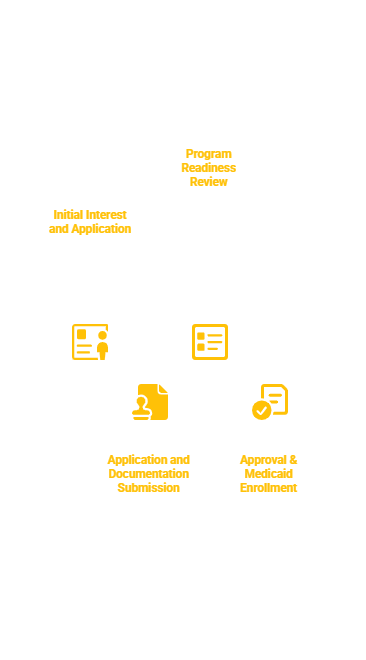
Beyond the legal and financial prerequisites, the application requires the development of robust internal policies. These must outline clear protocols for item procurement, participant needs assessments, and safety verification. Applicants should be prepared to provide documentation that demonstrates how they ensure the quality of adaptive equipment, track inventory, and maintain compliance with HIPAA standards for participant health information. Successful enrollment is contingent upon a thorough program readiness review conducted by NCDHHS and DMH/DD/SAS.
- Register the business entity with the North Carolina Secretary of State.
- Obtain EIN from the IRS and NPI (Type 2).
- Enroll as a Medicaid Waiver Individual Goods and Services provider via the NCTracks Provider Portal.
- Maintain general liability and professional liability insurance.
- Develop policies for item procurement, customization, and client safety.
- Ensure staff complete required background checks, health screenings, and training in adaptive goods management.
What Types of Goods and Services Are Covered?
The scope of Individual Goods and Services is extensive, focusing on items that facilitate greater independence in the participant’s home and community life. Approved providers are expected to source and deliver items that are essential to the goals established in the participant's person-centered plan. This may include, but is not limited to, adaptive equipment, specialized technology, home modifications, and safety enhancements.
A successful provider must maintain a wide network of suppliers and a thorough understanding of adaptive technologies. Whether providing communication devices, household safety modifications, or training materials, the provider is responsible for ensuring the item is appropriate for the participant's specific disability or chronic condition and that it is maintained in a safe, working condition throughout its use.
- Adaptive Equipment: Items such as mobility aids, grab bars, and adaptive utensils.
- Household Items: Safety devices, personal care products, and hygiene supplies.
- Technology Assistance: Communication devices and sensory aids.
- Home Modifications: Small adaptations to improve accessibility and safety.
- Personal Assistance Items: Products that aid in daily living tasks, such as dressing aids.
- Health and Safety Enhancements: Smoke detectors, alert systems, and medical alert devices.
- Transportation-Related Goods: Wheelchair lifts, seatbelt extenders, and accessible vehicle modifications.
- Recreational and Social Items: Adapted sports equipment or hobby supplies.
- Training and Education Materials: Books, digital resources, and training tools related to independent living.
What Are the Staffing and Operational Standards?
Operational excellence depends on a well-structured team capable of managing procurement, clinical compliance, and client relations. A Program Director with a background in healthcare administration, social work, or human services is typically required to oversee the agency’s adherence to state and federal regulations. Supporting staff, such as Goods and Services Specialists and Procurement Coordinators, must possess expertise in adaptive equipment, inventory management, and community resource coordination.
Every employee must undergo rigorous training, including HIPAA compliance, participant rights education, and safety-focused handling of adaptive goods. Annual competency evaluations are a standard expectation to ensure that staff remain up to date on evolving program requirements and best practices in adaptive support. Documentation must be meticulous, as every item delivered must be supported by a trail of assessments, procurement records, and proof of receipt, which are subject to regular audits.
Frequently Asked Questions
Are Individual Goods and Services available under all Medicaid programs?
No, these services are specifically authorized under HCBS waivers, including the Innovations Waiver, CAP/DA, CAP/C, the TBI Waiver, and the standard HCBS waiver programs.
How long does the provider enrollment process typically take?
The timeline varies based on organizational readiness, but the full lifecycle—from business formation to service launch—is generally estimated to take between 6 to 9 months, including preparation, state review, and billing setup.
What happens during the Program Readiness Review?
During the review, NCDHHS and DMH/DD/SAS evaluate the provider’s operational infrastructure, including their ability to properly assess participant needs, their safety protocols for goods, and their capacity to maintain required records and comply with billing standards.
Waiver Consulting Group supports agencies in launching Medicaid-compliant Individual Goods and Services in North Carolina by providing professional assistance with business registration, policy manual development, staff credentialing, and Medicaid billing setup. Our resources help organizations build a solid foundation for delivering high-quality, audit-prepared services.
The key takeaway for prospective providers is that Individual Goods and Services are highly regulated, focusing on person-centered outcomes. Success in this field requires not only a commitment to providing essential adaptive items but also a robust administrative framework to handle the stringent documentation, safety, and compliance requirements mandated by NCDHHS and NC Medicaid.
Last verified: 2024. The information provided in this article is for educational purposes only and does not constitute legal or professional advice. Readers should consult the official NCDHHS and NCTracks websites for the most current regulatory updates and requirements.