HOME HEALTH SERVICES PROVIDER IN NEBRASKA
By Fatumata Kaba · 2025-08-08 · 5 min read
DELIVERING MEDICAL CARE AND SUPPORT IN THE COMFORT OF HOME
Home Health Services in Nebraska offer essential medical care, health monitoring, and personal support for individuals residing in their own homes, allowing them to maintain independence despite chronic illnesses, disabilities, or post-acute recovery needs. By providing authorized care through the Nebraska Medicaid Home and Community-Based Services (HCBS) waiver programs, provider agencies play a critical role in delivering high-quality, person-centered support that directly improves patient outcomes and quality of life.
Who Governs Nebraska Home Health Services?
The regulatory framework for Nebraska Home Health Services is hierarchical, involving state-level oversight and federal guidance. The Nebraska Department of Health and Human Services (DHHS) serves as the primary regulatory body, managing Medicaid waiver funding, provider enrollment, and the critical processes of service authorization and reimbursement. This agency ensures that the delivery of home-based care adheres to established state health and safety standards.
Complementing the DHHS, the Nebraska Medicaid and Long-Term Care (MLTC) Division focuses on the ongoing management of service delivery. Their role is to ensure compliance with HCBS waiver standards, conducting quality assurance reviews to verify that providers are meeting the specific medical and support needs of the waiver participants they serve. At the federal level, the Centers for Medicare & Medicaid Services (CMS) provides the overarching regulatory structure, ensuring that all Medicaid-funded services align with federal mandates regarding participant protection, person-centered planning, and quality of care.
What Are the Core Service Components?
Home Health Services are designed to be comprehensive and adaptive, responding to the specific functional and clinical requirements of each participant. These services are delivered based on an Individualized Service Plan (ISP) and must be ordered by a physician, ensuring that every intervention is medically necessary and targeted toward the participant’s unique health goals.
Approved agencies generally provide a mix of clinical and supportive care, including:
- Skilled Nursing Care: Ongoing health monitoring, complex medication administration, advanced wound care, and the management of chronic diseases.
- Therapeutic Services: Access to physical, occupational, and speech therapy to restore, improve, or maintain functional abilities necessary for daily living.
- Personal Care Assistance: Direct support with Activities of Daily Living (ADLs), such as bathing, grooming, dressing, and assistance with mobility or transfers.
- Medical Social Services: Professional counseling, community resource coordination, and support for the emotional and social well-being of the participant.
- Home Health Aide Services: Basic care tasks performed under the direct supervision of a registered nurse or a licensed therapist to ensure safety and hygiene.
- Chronic Disease Management: Focused education and health support for conditions like diabetes, heart disease, or chronic obstructive pulmonary disease (COPD).
How Do You Meet Licensing and Enrollment Requirements?
Becoming an approved Home Health provider in Nebraska requires a rigorous adherence to legal, clinical, and administrative prerequisites. Before applying for Medicaid participation, an organization must be properly registered as a business entity with the Nebraska Secretary of State and secure all necessary federal identifiers, including an IRS EIN and a Type 2 NPI. The agency must then obtain official licensure as a Home Health Agency from the Nebraska DHHS, which serves as the foundational legal authorization to operate.
Beyond state licensure, agencies must demonstrate institutional readiness. This includes maintaining robust general and professional liability insurance and developing a comprehensive suite of internal policies. These policies must govern every aspect of the agency's operations, including patient care protocols, emergency procedures, health monitoring systems, and rigorous compliance measures. Staffing must also be verified, ensuring all healthcare personnel meet specific background check requirements, maintain active professional licenses, and hold appropriate certifications.
What Is the Step-by-Step Enrollment Process?
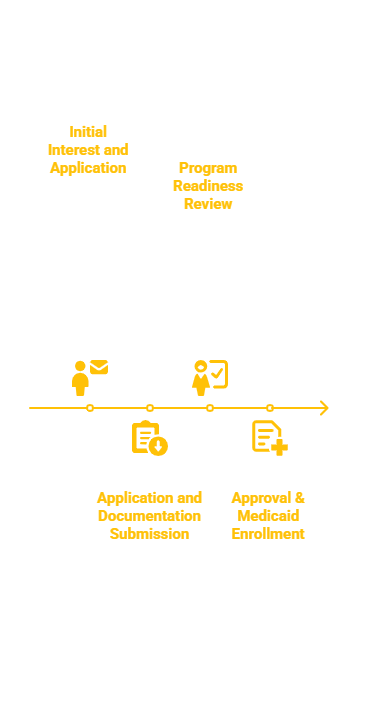
The transition from a business entity to a Medicaid-authorized Home Health provider involves a structured sequence of steps facilitated through the Nebraska Medicaid Provider Enrollment Portal. The process begins with the submission of an application specifically designated for Home Health Services under the applicable HCBS waivers. During this phase, applicants must provide substantial documentation, including Articles of Incorporation, proof of federal tax IDs, and copies of professional liability insurance certificates.
Once the initial application is filed, the DHHS performs a program readiness review. This review is a critical gatekeeping mechanism where the state evaluates the provider’s infrastructure. They assess healthcare protocols, the qualifications of the administrative and clinical staff, and the adequacy of patient safety procedures. Following successful review and approval, the provider is formally enrolled and authorized to begin billing for services using the designated Medicaid billing codes associated with the specific HCBS waivers they are approved to support.
What Are the Essential Staffing and Clinical Standards?
Success in home health delivery is dependent upon a highly qualified team that meets specific licensure and competency requirements. At the helm, a Home Health Program Director—typically a licensed Registered Nurse (RN) with a background in healthcare administration—is required to oversee the clinical and operational integrity of the agency. The nursing staff, comprising both RNs and Licensed Practical Nurses (LPNs), must maintain active Nebraska licenses and demonstrate clinical competence in home-based care.
Support staff, such as Home Health Aides and licensed therapists, must also meet state certification standards and operate under the guidance of clinical supervisors. Regardless of the role, every staff member must participate in ongoing professional development. This includes mandatory training in healthcare safety, infection control, HIPAA regulations, and patient rights. Agencies are responsible for maintaining detailed records of these training sessions, as well as conducting regular performance reviews and skills assessments to ensure the highest standard of care is maintained.
Frequently Asked Questions
Which Medicaid waiver programs allow for Home Health Services in Nebraska?
Home Health Services are integrated into several key Nebraska Medicaid waivers, including the Aged and Disabled (AD) Waiver, the Traumatic Brain Injury (TBI) Waiver, the Developmental Disabilities (DD) Waiver, the Children with Disabilities Waiver, and the general Home and Community-Based Services (HCBS) Waiver.
How long should a new agency expect the launch process to take?
The timeline varies based on organizational preparedness, but generally, business formation and compliance planning take 1–2 months, followed by 2–3 months for staffing and credentialing. The formal Medicaid provider enrollment and readiness review typically spans 60–90 days, with final billing setup requiring an additional 30–45 days.
What must be included in the Home Health Services Policy & Procedure Manual?
The manual must detail patient assessment and care planning workflows, physician order documentation, clinical protocols for nursing and therapy, emergency and infection control procedures, staff background check and credentialing records, HIPAA compliance, and clear processes for billing, documentation, and internal audits.
Key Takeaway: Establishing a Medicaid-compliant Home Health Agency in Nebraska requires a dual focus on rigorous administrative documentation and high-standard clinical staffing. Success depends on the early development of a compliant policy manual, a successful readiness review by the Nebraska DHHS, and a sustained commitment to patient-centered, physician-ordered care delivery.
Last verified: 2024. This content is for informational purposes only and does not constitute legal or professional medical advice. Always consult with the Nebraska Department of Health and Human Services (DHHS) or qualified legal counsel regarding specific state regulations, current waiver program requirements, and compliance obligations.