FAMILY SUPPORT SERVICES PROVIDER IN MAINE
By Fatumata Kaba · 2025-08-12 · 5 min read
Becoming a Family Support Services provider in Maine is a specialized pathway for organizations dedicated to reducing caregiver burnout and promoting stability for individuals with developmental disabilities or autism. By delivering respite, training, and behavioral coaching under MaineCare’s Home and Community-Based Services (HCBS) waivers, providers play a critical role in preventing out-of-home placements and maintaining family cohesion.
This guide outlines the regulatory framework, enrollment process, and operational requirements necessary for agencies aiming to deliver high-quality support services in Maine. Understanding the distinctions between the oversight of the Office of Aging and Disability Services (OADS) and the Office of Child and Family Services (OCFS) is essential for achieving compliance and long-term program success.
How Do Governing Agencies Oversee Family Support Services in Maine?
The delivery of Family Support Services in Maine is managed through a multi-layered regulatory structure led by the Department of Health and Human Services (DHHS). Providers must navigate the requirements set forth by several key offices, each maintaining specific oversight of different Medicaid waiver populations.
The Office of Aging and Disability Services (OADS) serves as the primary administrator for the Section 21 (Comprehensive Supports) and Section 29 (Support Waiver for Adults) waivers. Conversely, the Office of Child and Family Services (OCFS) is responsible for managing Section 28 services, which focus on rehabilitative support for children with behavioral and developmental needs. The Office of MaineCare Services (OMS) manages the actual reimbursement and provider enrollment, while all programs must adhere to the federal HCBS requirements established by the Centers for Medicare & Medicaid Services (CMS) to ensure services remain person-centered and outcomes-focused.
What Are the Core Service Models for Family Support?
Effective family support providers design their service models to bridge the gap between clinical intervention and daily home life. These services, when delivered according to an individual’s Person-Centered Plan (PCP) or Individual Support Plan (ISP), focus on alleviating the stressors inherent in long-term caregiving while fostering the development of the individual.
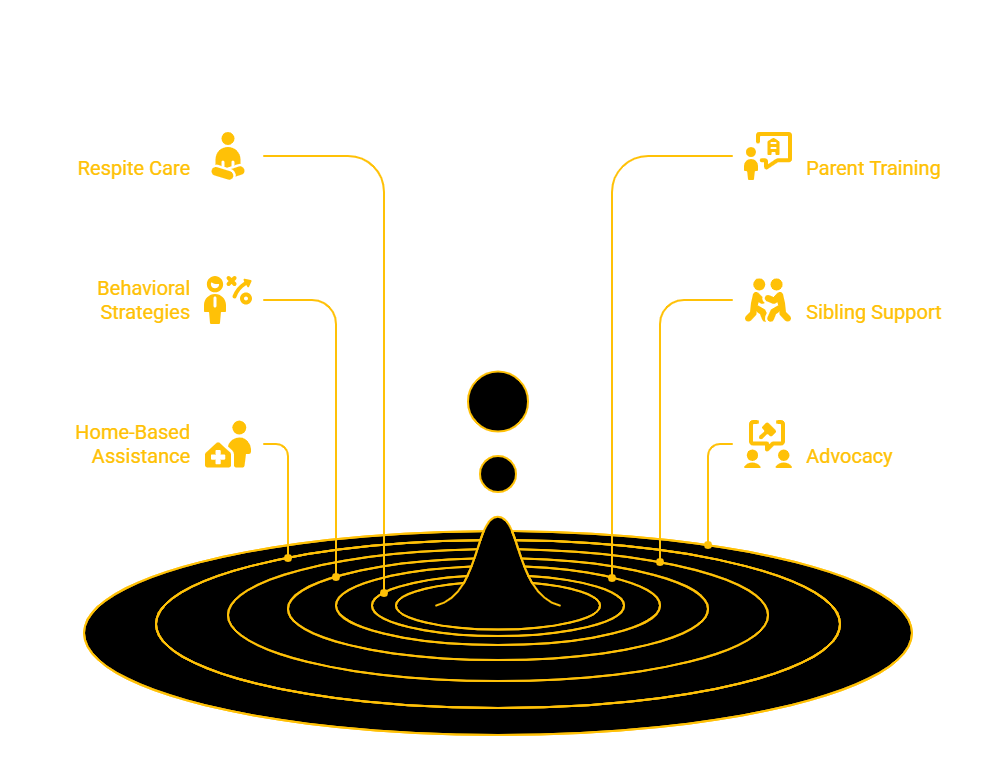
Core services typically include the following components:
- Respite care: Providing essential breaks for primary caregivers through in-home or out-of-home relief.
- Behavioral strategies: Offering coaching to family members to manage complex behaviors effectively.
- Parent training: Facilitating educational workshops and support groups to share best practices.
- Navigation and Advocacy: Assisting families in connecting with school systems, community resources, and specialized healthcare providers.
- Inclusive Programming: Providing sibling support and family-focused recreational activities.
How Do You Meet Licensing and Provider Enrollment Requirements?
The transition from a business concept to an approved MaineCare provider requires a systematic approach to legal and regulatory registration. Organizations must first establish their business identity with the Maine Secretary of State, followed by securing a federal Employer Identification Number (EIN) and a Type 2 National Provider Identifier (NPI).
Once the legal foundation is set, agencies must navigate the MaineCare enrollment process via the Health PAS Online portal. During this phase, providers must clearly define the waiver sections under which they intend to bill—specifically Sections 21, 29, or 28. Part of this submission involves presenting detailed service descriptions, staff credentialing frameworks, and comprehensive liability insurance documentation to the relevant DHHS office for review.
What Policies and Documentation Are Required for Operations?
Maintaining compliance as a MaineCare provider requires a robust set of internal policies and administrative procedures. Regulatory audits will prioritize the presence of a detailed Policy and Procedure Manual that demonstrates how the agency manages risk, quality, and clinical ethics.
Essential documentation for every provider agency must include:
- Comprehensive intake forms and signed service agreements for every family.
- Detailed schedules for respite services, including visit logs and progress tracking tools.
- Emergency response protocols specifically tailored for home-based settings.
- HIPAA-compliant confidentiality and data protection guidelines.
- Documented grievance procedures and clear pathways for communication between staff and families.
- Complete records of staff background checks, training, and ongoing supervision.
What Are the Mandatory Staffing and Training Standards?
Staffing qualifications in the HCBS sector are designed to ensure that caregivers are not only empathetic but also technically proficient in supporting individuals with diverse needs. Family Support Specialists generally require a high school diploma or equivalent, but specific roles like Parent Coaches or behavioral therapists often require additional experience in disability services or education.
Beyond baseline qualifications, all staff must complete standardized training programs to maintain the agency’s compliance. These training modules typically cover the following areas:
- Person-Centered Planning (PCP) and the mechanics of the ISP.
- Trauma-informed care and family systems theory.
- Mandatory reporting requirements for abuse, neglect, and exploitation.
- De-escalation and safety protocols for crisis management.
- Ongoing professional development through annual continuing education.
Frequently Asked Questions
How long does the typical enrollment process take for a new provider?
The timeline for launching a Family Support Service agency generally spans several months. Business formation usually takes 1–2 weeks, followed by 2–3 weeks for policy development. The MaineCare enrollment process through the Health PAS Online portal typically requires 4–6 weeks for review, though this can vary based on the completeness of the documentation submitted to OADS or OCFS.
Can one agency serve all three waiver sections simultaneously?
Yes, an agency may provide services under Sections 21, 29, and 28, provided they maintain the specific staff certifications and service definitions required for each section. Many providers choose to diversify their service offerings to meet the needs of both children and adults within their community.
What is the role of a Case Manager in this process?
Case managers serve as the primary link between the family and the provider. They are responsible for updating the individual's ISP and making referrals to authorized providers. A provider agency's ability to network with these case managers is vital for receiving consistent referrals and maintaining an active caseload.
Key Takeaway
Successfully operating as a Family Support Services provider in Maine requires a rigorous commitment to regulatory compliance and person-centered care. By aligning business operations with the specific mandates of OADS and OCFS and ensuring staff are well-trained in family-centered support strategies, agencies can provide a stabilizing influence for families navigating the challenges of disability, ultimately helping those families thrive within their own homes and communities.
Last verified: 2024. The information provided in this article is for educational purposes and does not constitute legal or professional advice. Always consult with the Maine Department of Health and Human Services (DHHS) or the Office of MaineCare Services (OMS) for the most current regulatory requirements, policy manuals, and state-specific guidance before starting or modifying your provider services.