DAY HABILITATION SERVICES PROVIDER IN CALIFORNIA
By Fatumata Kaba · 2025-07-07 · 5 min read
EMPOWERING INDIVIDUALS WITH INTELLECTUAL AND DEVELOPMENTAL DISABILITIES THROUGH STRUCTURED DAYTIME PROGRAMS THAT BUILD SKILLS AND FOSTER COMMUNITY INCLUSION
Day Habilitation Services in California provide structured, person-centered daytime support to individuals with intellectual and developmental disabilities (IDD). These services are designed to enhance life skills, social engagement, and community participation and are funded through California’s Regional Centers under the Lanterman Act, with alignment to HCBS federal standards.
Understanding the Governance and Regulatory Landscape
The California service delivery system for individuals with intellectual and developmental disabilities is highly structured, requiring providers to navigate oversight from both state and federal entities. The California Department of Developmental Services (DDS) maintains statewide authority over Day Habilitation programming and the process of "vendorization," which is the formal designation allowing a business to provide services to individuals served by Regional Centers.
At the local level, there are 21 independent Regional Centers responsible for authorizing and funding these services based on an individual's specific needs identified in their Individual Program Plan (IPP). Simultaneously, the California Department of Health Care Services (DHCS) administers the state’s Medi-Cal program, ensuring that services remain aligned with federal Medicaid requirements. Under the guidance of the Centers for Medicare & Medicaid Services (CMS), these programs must prioritize person-centered planning and full community integration.
Core Components of Day Habilitation Service Delivery
Day Habilitation Services focus on non-vocational skill-building, though programs may incorporate pre-vocational activities to help participants reach personal milestones. These services are delivered in settings that encourage autonomy and adaptive growth, moving away from isolated environments toward active community participation. Providers are tasked with creating environments where participants can develop social, communication, and self-advocacy skills.
Beyond skill development, providers are expected to facilitate opportunities for personal growth that directly align with the participant’s unique goals. Essential service components include:
- Communication, social, and self-advocacy training.
- Personal care support as needed to ensure participant dignity and comfort.
- Life skill development, including hygiene, cooking, and independent transportation training.
- Community outings and inclusive recreational activities that foster social connection.
- Assistance with mobility and engagement in group activities.
- Detailed documentation of participation, individual progress, and ongoing alignment with the IPP.
Licensing, Enrollment, and Vendorization Requirements
Transitioning from a business concept to an approved provider involves a rigorous sequence of administrative and site-based requirements. Founders must first establish a legal business entity with the California Secretary of State and secure an Employer Identification Number (EIN) from the IRS. Furthermore, a Type 2 National Provider Identifier (NPI) is mandatory for billing and identification purposes within the health care system.
The vendorization process requires the submission of a robust "Program Design." This document serves as the blueprint for your organization, detailing service goals, organizational structure, daily schedules, and internal compliance measures. Facilities must meet stringent physical standards, including compliance with the Americans with Disabilities Act (ADA), fire safety regulations, and local zoning ordinances. Additionally, providers must maintain adequate general liability and workers’ compensation insurance coverage at all times.
The Step-by-Step Provider Enrollment Roadmap
The journey to becoming a service provider typically spans several months and follows a prescribed path. Initial steps involve establishing the legal and operational foundations, followed by direct engagement with the specific Regional Center serving the desired geographic area. Once a vendor application packet is obtained, the provider must draft and submit the comprehensive Program Design, staffing plan, and facility documentation for review.
After the paperwork is submitted, the Regional Center will conduct an on-site review, which often includes a fire inspection and a formal orientation. During this stage, providers should ensure all administrative systems—such as staff training logs, incident reporting protocols, and HIPAA-compliant documentation storage—are fully operational. Upon receiving formal approval from the DDS, the provider is officially "vendorized" and may begin accepting referrals according to the specific needs of individuals in the community.
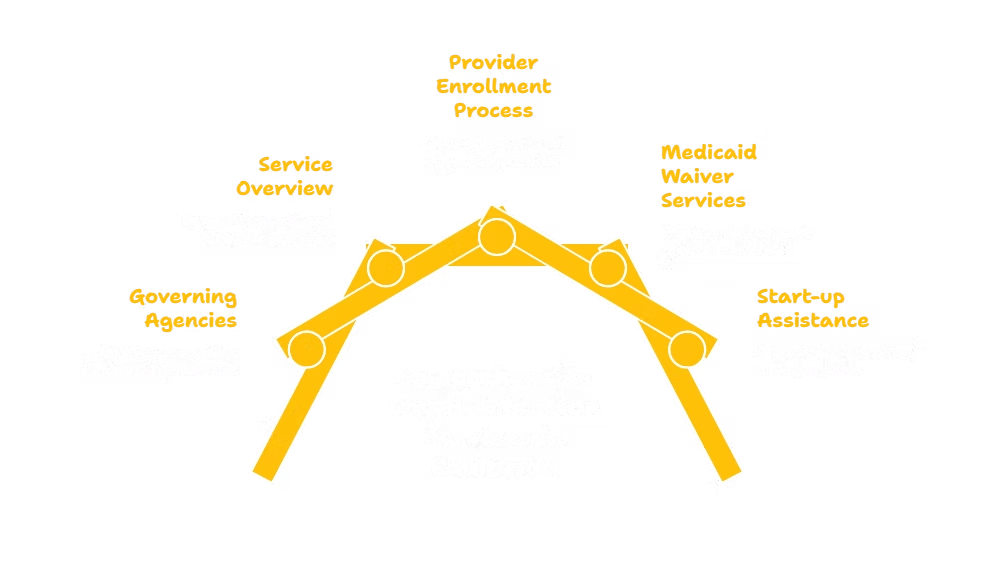
Staffing, Training, and Operational Documentation
Quality of care is inextricably linked to the caliber of your staff and the depth of your organizational policies. A Day Program Coordinator or Administrator must possess at least two years of experience working with individuals with developmental disabilities to oversee program quality and regulatory compliance. Direct Support Professionals (DSPs), who handle the day-to-day engagement with participants, must possess a high school diploma or equivalent, hold CPR/First Aid certification, and pass a Live Scan criminal background check.
Policy and procedure manuals must be comprehensive and readily accessible. These documents should cover:
- Participant intake and individual goal development processes.
- Standardized daily schedule templates and activity logs.
- Clear guidelines for behavior support and personal care assistance.
- Comprehensive emergency preparedness and transportation safety protocols.
- Rigorous staff training curricula covering person-centered planning, participant rights, and abuse prevention.
- Established incident reporting, grievance procedures, and HIPAA-compliant data retention policies.
Frequently Asked Questions
What is the difference between Regional Center vendorization and Medicaid certification?
Vendorization is the process by which a Regional Center authorizes a provider to serve individuals under the Lanterman Act, while Medicaid/HCBS alignment ensures that the services meet federal funding requirements. Most Day Habilitation programs must meet both, as many Regional Center services are partially funded by federal Medicaid waivers.
How long does the startup process take?
Business formation typically takes 1–2 weeks, and facility preparation ranges from 2–4 weeks. The Regional Center vendorization process is the most intensive, generally requiring 60–90 days for review, approval, and site inspection.
What are the primary documentation requirements for ongoing compliance?
Providers must maintain meticulous records including participant IPP goal progress, daily attendance logs, staff training records, incident reports, and proof of compliance with fire and safety regulations. These records are subject to review during periodic audits by the Regional Center or state authorities.
Key Takeaway
Successful operation of a Day Habilitation service in California requires a deep commitment to person-centered care, meticulous adherence to the Lanterman Act, and consistent, transparent documentation. By aligning programmatic goals with the individual needs of participants and maintaining rigorous administrative standards, providers can effectively foster community inclusion while meeting all state and federal regulatory obligations.
Last verified: October 2023. Disclaimer: Waiver Consulting Group provides general information regarding state and federal programs. This content is for educational purposes only and does not constitute legal or professional advice. Always verify current regulations and requirements directly with your local Regional Center and relevant state departments.