COMPANION CARE SERVICES PROVIDER IN FLORIDA
By Fatumata Kaba · 2025-07-09 · 5 min read
Companion Care Services in Florida serve as a vital non-medical support system designed to foster independence, safety, and social inclusion for individuals enrolled in Medicaid Home and Community-Based Services (HCBS) waiver programs. By providing essential supervision, companionship, and assistance with community engagement, these services are instrumental in preventing social isolation and supporting the well-being of seniors and individuals with developmental disabilities within their own homes and communities.
What Are the Governing Bodies Overseeing Companion Care in Florida?
The delivery of Companion Care Services is governed by a multi-layered regulatory framework involving both state and federal oversight. This structure ensures that services remain person-centered, compliant with Medicaid requirements, and focused on the safety and dignity of the participant. Understanding the roles of these agencies is the first step for any provider looking to enter the market.
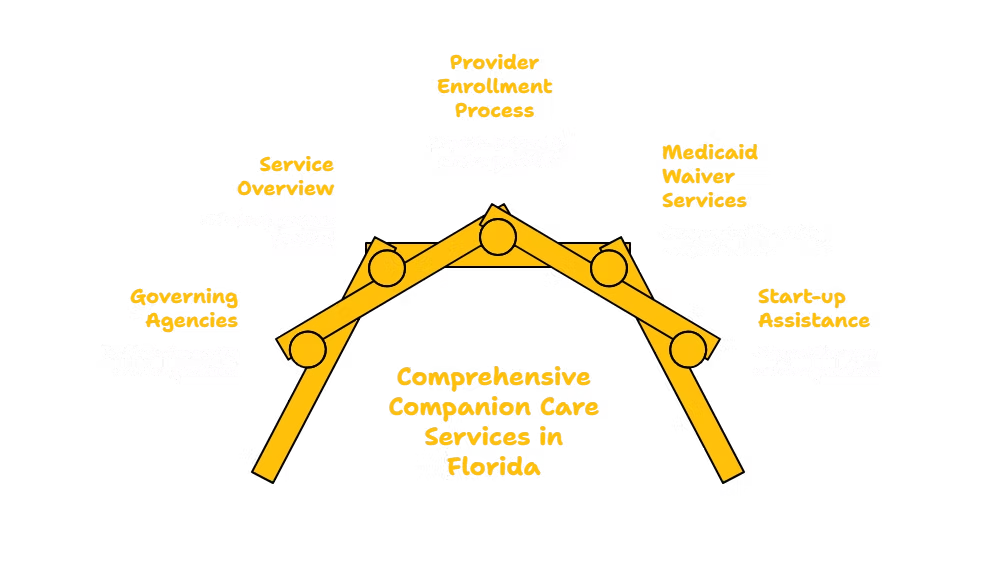
The Florida Agency for Health Care Administration (AHCA) serves as the primary regulatory body responsible for provider enrollment, service authorization, and reimbursement protocols. Concurrently, the Florida Agency for Persons with Disabilities (APD) manages the iBudget Florida Waiver, coordinating specific support for individuals with developmental disabilities. Finally, the federal Centers for Medicare & Medicaid Services (CMS) provides the overarching mandate, ensuring that all services adhere to federal HCBS person-centered planning guidelines.
What Does the Scope of Companion Care Include?
Companion Care Services are specifically defined as non-medical, focusing on supervision, social interaction, and assistance with tasks that keep participants connected to their environment. These services are intended to improve quality of life while reducing the isolation often faced by those with chronic illnesses or disabilities. It is critical for providers to recognize that this service is distinct from "hands-on" personal care, which involves assistance with activities of daily living like bathing, grooming, or skilled nursing.
Approved providers are responsible for delivering services that strictly align with the participant’s individualized service plan. Common service components include:
- Supervision and protective oversight within the home or throughout the community.
- Assistance with recreational activities and active participation in community outings.
- Meaningful conversation and companionship to mitigate social isolation.
- Support with non-medical engagement, such as reading, board games, or attending local events.
- Continuous monitoring for participant safety and overall emotional well-being.
What Are the Essential Licensing and Provider Approval Requirements?
Launching a compliant agency requires meticulous adherence to Florida’s regulatory prerequisites. The foundation of any legitimate operation involves proper legal registration, obtaining necessary tax identifications, and securing specific licensure from AHCA. Without these foundational elements, a provider cannot participate in Florida’s Medicaid reimbursement systems.
The prerequisite list for prospective providers is extensive and must be managed systematically. Essential steps include:
- Registering the business entity with the Florida Division of Corporations (Sunbiz).
- Securing an Employer Identification Number (EIN) from the IRS and a Type 2 National Provider Identifier (NPI).
- Obtaining the mandatory Homemaker and Companion Services License from AHCA.
- Securing and maintaining active general liability insurance.
- Implementing comprehensive internal policies for supervision, documentation, and the protection of participant rights.
- Ensuring every direct care staff member completes a mandatory Level 2 background screening.
How Do Agencies Navigate the AHCA Enrollment Process?
The journey from business formation to active Medicaid billing is a phased process that demands strict attention to detail and documentation. After establishing the legal entity and obtaining the Homemaker and Companion Services license, providers must interface with the Florida Medicaid Provider Enrollment Portal to finalize their status as an authorized vendor.
The enrollment timeline involves multiple stages, including the submission of operational documentation such as service delivery plans, incident reporting procedures, and daily activity logs. AHCA may perform a pre-licensure inspection to confirm that the agency is operationally ready and that all protocols meet the regulatory standards required for the protection of waiver participants. Once the license is approved, the agency must configure its billing codes specifically for the applicable HCBS programs.
What Documentation and Staffing Standards Must Be Met?
Maintaining compliance requires a robust internal infrastructure, including a thorough Policy & Procedure Manual. This document serves as the roadmap for staff operations and is subject to audit by state agencies. It must cover critical areas such as HIPAA confidentiality, grievance procedures, intake assessments, and staff training protocols. Documentation is the backbone of Medicaid reimbursement; therefore, systems for tracking service delivery must be accurate and verifiable.
Staffing requirements are equally specific to ensure the highest standards of care. Whether hiring a Program Manager or direct support staff, providers must verify that all personnel are qualified for the role. Required training includes:
- Detailed instruction on participant rights, HIPAA, and abuse prevention.
- Emergency preparedness and incident response procedures.
- Standards for documentation regarding daily supervision and community engagement activities.
- Annual refresher courses on best practices for effective companionship.
Frequently Asked Questions
Does Companion Care include personal care services like bathing or dressing?
No, Companion Care Services are strictly non-medical. They are limited to supervision, social engagement, and assistance with community activities. Personal care tasks, such as bathing, dressing, or skilled nursing, are excluded from this service category.
Which Florida Medicaid Waivers include Companion Care?
Companion Care Services are authorized under the iBudget Florida Waiver, which supports individuals with intellectual and developmental disabilities, and the Statewide Medicaid Managed Care (SMMC) Long-Term Care (LTC) program for eligible elderly and disabled adults.
What is the typical timeline for launching a provider agency?
The launch process usually takes between 150 to 200 days in total. This includes 1–2 weeks for business formation, 60–90 days for AHCA licensing, 30–45 days for hiring and training, and 45–60 days for final Medicaid provider enrollment and system setup.
Key Takeaway
Establishing a successful Companion Care agency in Florida requires a commitment to regulatory excellence and operational precision. By strictly adhering to AHCA and APD requirements, maintaining comprehensive documentation, and prioritizing the safety and socialization of participants, providers can play a critical role in the Florida Medicaid HCBS landscape. Consistency in administrative oversight and staff training remains the most effective strategy for long-term program sustainability.
Last verified: October 2023. Disclaimer: This information is for educational purposes and does not constitute legal or professional advice. Always consult with the Florida Agency for Health Care Administration (AHCA) and the Agency for Persons with Disabilities (APD) for the most current regulations and specific requirements regarding provider enrollment and service delivery.