COMMUNITY LIVING AND SUPPORT SERVICES PROVIDER IN NORTH CAROLINA
By Fatumata Kaba · 2025-09-15 · 6 min read
Community Living and Support Services in North Carolina are essential Medicaid-funded programs designed to empower individuals with disabilities or chronic conditions to live independently within their own homes and communities. By providing tailored assistance with daily living, social skill development, and community integration, these services serve as a critical component of the North Carolina Medicaid Home and Community-Based Services (HCBS) waiver system.
Understanding the Role of Community Living and Support Services
The primary objective of Community Living and Support Services is to promote autonomy and social inclusion for participants. Unlike institutional care, these services are delivered in the participant's home or community settings, allowing for a personalized approach that honors the individual's preferences and life goals. By focusing on skill acquisition and safety, providers help reduce the reliance on more restrictive residential settings.
Authorized providers play a multifaceted role in the lives of their participants. Beyond basic care, they act as facilitators for community engagement and advocates for the participant's personal independence. Services are delivered through a person-centered framework, ensuring that the support plan is directly aligned with the specific medical, behavioral, and social needs of the individual receiving care.
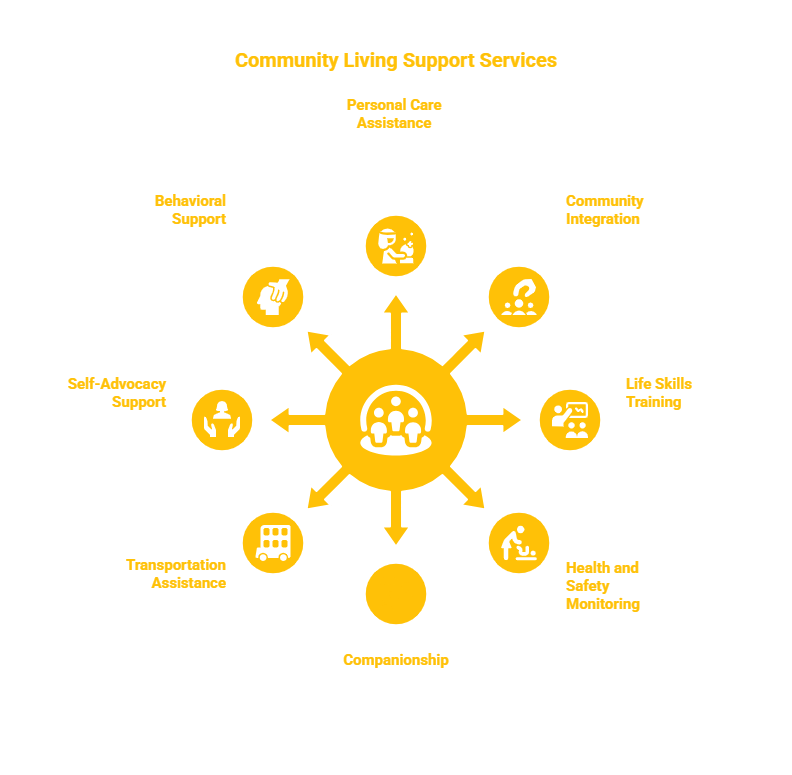
- Personal Care Assistance: Helping with grooming, dressing, hygiene, and meal preparation.
- Community Integration: Facilitating participation in social, recreational, and community activities.
- Life Skills Training: Teaching skills like budgeting, communication, and personal care.
- Health and Safety Monitoring: Supporting safe living environments and daily wellness.
- Companionship: Reducing social isolation through supportive interactions.
- Transportation Assistance: Helping individuals access community resources and appointments.
- Self-Advocacy Support: Empowering individuals to make decisions about their care.
- Behavioral Support: Assisting with emotional regulation and positive behavioral practices.
- Documentation: Maintaining records of support plans, progress, and community involvement.
Navigating the Governing Agencies and Regulatory Landscape
The administration of Community Living and Support Services in North Carolina involves a collaborative effort between state and federal entities. The North Carolina Department of Health and Human Services (NCDHHS) acts as the primary agency for oversight, managing Medicaid waiver funding, provider enrollment, and reimbursement protocols. Their leadership ensures that all services remain compliant with state health standards.
Parallel to NCDHHS, the North Carolina Division of Health Benefits (NC Medicaid) manages the operational aspects of Medicaid waiver participation, while the Division of Mental Health, Developmental Disabilities, and Substance Abuse Services (DMH/DD/SAS) provides specific oversight for services targeting individuals with developmental disabilities and behavioral health needs. At the federal level, the Centers for Medicare & Medicaid Services (CMS) sets the standards for person-centered care and quality assurance to ensure that federal funding is used effectively and safely.
Provider Enrollment and Licensing Requirements
To operate as a Medicaid provider in North Carolina, agencies must strictly adhere to the registration and enrollment protocols established by the state. This process begins with formal business entity registration through the North Carolina Secretary of State and the acquisition of an EIN from the IRS and a Type 2 NPI. These foundational steps are necessary before any Medicaid-specific applications can be processed.
Once the business is legally established, providers must apply for enrollment through the NCTracks Provider Portal. This portal serves as the centralized hub for all Medicaid billing and participant service management. Agencies must maintain comprehensive insurance, including both general and professional liability coverage, and submit detailed policy manuals that outline their specific approach to community integration, client safety, and incident reporting. Final approval is contingent upon a successful program readiness review conducted by NCDHHS and DMH/DD/SAS.
Developing the Required Documentation and Infrastructure
A successful provider agency must maintain a robust administrative infrastructure. Required documentation includes a comprehensive Policy & Procedure Manual that covers every aspect of service delivery, from HIPAA compliance and grievance handling to emergency response protocols and daily service tracking. This manual is not just a regulatory requirement; it is a blueprint for the agency’s day-to-day operations and quality assurance efforts.
Providers must be prepared to offer evidence of their compliance during state audits. This includes meticulous record-keeping regarding staff background checks, professional credentialing, and ongoing training programs. By maintaining rigorous documentation standards, providers ensure that they remain in good standing with both state regulators and the federal oversight authorities that monitor the use of Medicaid funds.
- Articles of Incorporation or Business License (North Carolina Secretary of State)
- IRS EIN confirmation and NPI confirmation
- Proof of general and professional liability insurance
- Policy & Procedure Manual: Covering daily living assistance, behavioral support, and self-advocacy training guidelines.
- Staffing Records: Comprehensive documentation of credentialing, background checks, and ongoing training.
- Administrative Records: HIPAA compliance materials, participant rights disclosures, and grievance handling procedures.
- Quality Assurance: Regular monitoring reports and service tracking logs.
Establishing Staffing Standards and Professional Development
The quality of Community Living and Support Services is intrinsically linked to the qualifications and training of the agency's staff. A Community Living Program Director must possess a Bachelor’s or Master’s degree in a relevant field, such as social work, human services, or healthcare administration, along with documented experience in program management. This leadership ensures that the agency’s support strategies remain effective and compliant.
Direct care staff, including Community Support Specialists and Personal Care Aides, are the backbone of the program. They are required to have at least a high school diploma or GED and must undergo rigorous background screenings. Once hired, all staff must complete mandatory training on HIPAA compliance, client rights, emergency response, and behavioral support techniques. Continuous professional development and annual competency evaluations are required to maintain high standards of service delivery.
Program Availability and Implementation Timelines
Community Living and Support Services are integrated into several key Medicaid waiver programs, including the Innovations Waiver, the Community Alternatives Program for Disabled Adults (CAP/DA), the Community Alternatives Program for Children (CAP/C), the Traumatic Brain Injury (TBI) Waiver, and the broader Home and Community-Based Services (HCBS) Waiver. Understanding which waiver a participant falls under is critical for correct billing and service authorization.
The timeline for launching a new agency is significant, typically spanning several months. Founders should allocate 1–2 months for business formation and compliance preparation, followed by 2–3 months for hiring and program development. The formal Medicaid provider enrollment and readiness review phase generally takes 60–90 days, with an additional 30–45 days required for the finalization of billing systems and the launch of services.
Frequently Asked Questions
What is the primary role of the NCTracks portal for new providers?
The NCTracks portal is the primary gateway for provider enrollment and claims processing in North Carolina. All Medicaid-enrolled agencies must use this platform to submit applications for service authorization, bill for provided services, and manage participant eligibility information.
How often must staff undergo training and background checks?
Staff must undergo background checks prior to hire and participate in ongoing training as mandated by NCDHHS. Annual competency evaluations and recurring professional development training are required to ensure that staff remain qualified and knowledgeable about current safety and care protocols.
Which waivers authorize Community Living and Support Services?
These services are authorized under the Innovations Waiver, the Community Alternatives Program for Disabled Adults (CAP/DA), the Community Alternatives Program for Children (CAP/C), the Traumatic Brain Injury (TBI) Waiver, and general HCBS Waiver programs. Providers must be specifically approved to operate under these classifications.
Key Takeaway: Establishing a Medicaid-compliant provider agency for Community Living and Support Services in North Carolina requires careful attention to state-specific regulations, the development of robust policy frameworks, and a commitment to maintaining high standards of care as overseen by NCDHHS and NC Medicaid.
Last verified: October 2023. Disclaimer: This article is for informational purposes only and does not constitute legal or professional medical advice. Always refer to the official NCDHHS and NC Medicaid policy manuals for the most current regulations and requirements.