COMMUNITY INTEGRATION SERVICES PROVIDER IN MONTANA
By Fatumata Kaba · 2025-08-06 · 5 min read
What are Community Integration Services in Montana?
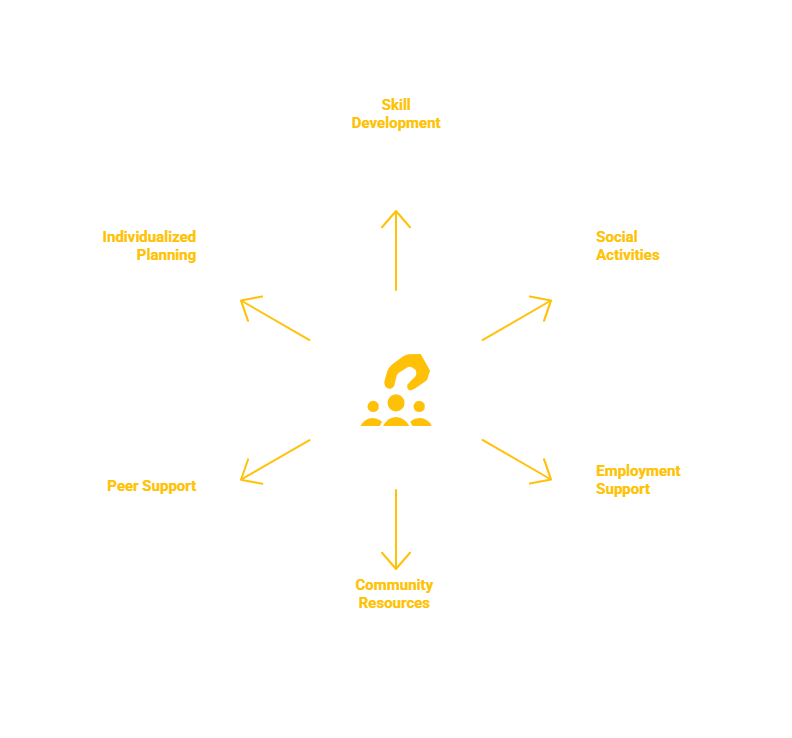
Community Integration Services in Montana represent a vital component of the state’s Home and Community-Based Services (HCBS) framework, specifically designed to empower individuals with disabilities, chronic health conditions, or social challenges. These services are structured to transition participants from isolation into active, meaningful roles within their local communities by promoting life skills development, social engagement, and increased personal independence. By focusing on individualized outcomes, these services ensure that participants receive the necessary support to navigate their environment with confidence and autonomy.
The core objective of these services is to facilitate inclusion through a person-centered planning approach, which aligns with the mandates set by the Centers for Medicare & Medicaid Services (CMS). Whether through developing daily living skills, participating in group social activities, or engaging in vocational exploration, providers play a critical role in bridging the gap between clinical support and community participation. Ultimately, these services foster a sense of belonging and provide the essential tools required for participants to thrive outside of institutional settings.
Who Governs Community Integration Services in Montana?
The regulatory environment for Community Integration Services is overseen by a combination of state and federal entities that ensure the quality, safety, and fiscal integrity of the program. The Montana Department of Public Health and Human Services (DPHHS) serves as the primary administrator, responsible for managing Medicaid waiver funding, overseeing the provider enrollment process, and directing service authorization and reimbursement protocols. Their leadership ensures that services are delivered consistently across the state.
Within DPHHS, the Developmental Disabilities Program (DDP) acts as the operational arm responsible for maintaining compliance and rigorous quality standards for services provided under HCBS waivers. On the federal level, the Centers for Medicare & Medicaid Services (CMS) provide necessary oversight to guarantee that Montana’s programs adhere to national standards for participant protection, person-centered planning, and overall service quality. Together, these agencies form a tripartite oversight structure that ensures providers maintain high standards of accountability.
How to Establish a Qualified Provider Agency
Launching a provider agency in Montana requires a systematic approach to business formation and regulatory compliance. The initial phase involves registering the legal business entity with the Montana Secretary of State, followed by obtaining a federal Employer Identification Number (EIN) from the IRS. Providers must also secure a Type 2 National Provider Identifier (NPI) to function as a formal healthcare entity capable of billing Medicaid for services rendered.
Beyond the legal and financial foundations, prospective providers must prepare comprehensive operational documentation. This includes proof of both general and professional liability insurance to protect against operational risks. A foundational requirement is the development of a robust Policy & Procedure Manual that addresses intake, safety protocols, HIPAA compliance, and grievance procedures. These documents serve as the backbone of the organization, demonstrating to DPHHS that the agency is prepared to handle the complexities of supporting vulnerable populations in community settings.
The Provider Enrollment and Approval Process
The path to becoming an authorized Medicaid provider begins with the application submission via the Montana Medicaid Provider Enrollment Portal. Applicants must submit all required business documentation, including the Articles of Incorporation, proof of insurance, and detailed staff qualification records. This submission initiates a rigorous review process designed to verify that the provider’s operational strategies align with the state’s requirements for Community Integration Services.
Once the application is received, DPHHS conducts a program readiness review. This evaluation focuses on the provider’s ability to deliver services safely and effectively, examining their community integration plans, staff credentials, and emergency preparedness policies. The timeline for this process generally spans 60 to 90 days, during which time the agency may be required to clarify or refine its protocols. Upon final approval, the provider is officially authorized to deliver services and bill Medicaid using the designated service codes.
Establishing Staffing Standards and Training
High-quality community integration relies heavily on the qualifications and training of the staff responsible for direct service delivery. At the leadership level, a Community Integration Program Director is required, typically possessing a Bachelor’s degree in human services, social work, or a related field, along with relevant supervisory experience. This role is responsible for overseeing programmatic execution and maintaining compliance within the agency.
Community Support Workers represent the front line of service delivery and must hold a minimum of a high school diploma or GED, along with documented experience in community outreach or direct support. All staff members are subject to thorough background clearances and must maintain current CPR and First Aid certifications. Furthermore, providers must implement a continuous training regimen, which includes:
- Comprehensive training on life skills instruction and community integration strategies.
- Rigorous education on HIPAA regulations and the protection of participant rights.
- Safety, wellness, and crisis intervention protocols to manage emergencies effectively.
- Annual competency evaluations and ongoing professional development to stay current with state requirements.
Frequently Asked Questions
Which Medicaid waivers currently authorize Community Integration Services?
These services are available under several Montana Medicaid waivers, including the Comprehensive Waiver for Individuals with Developmental Disabilities, the Big Sky Waiver (Aged and Disabled), the Traumatic Brain Injury (TBI) Waiver, the Community Supports Waiver for Adults with Physical Disabilities, and the Children's Autism Waiver.
What is the typical timeline for launching a new provider agency?
The total timeline varies, but generally, business formation takes 1–2 months, staff hiring and credentialing takes 2–3 months, the Medicaid enrollment and readiness review takes 60–90 days, and final billing setup typically requires an additional 30–45 days.
What specific documentation must be included in the Policy & Procedure Manual?
Providers must include detailed sections on intake and assessment, community activity planning, safety management, transportation and community access protocols, staff training records, HIPAA compliance, grievance handling, documentation standards for billing, and comprehensive emergency preparedness and crisis management policies.
Key Takeaway
Successfully navigating the Montana Medicaid HCBS provider landscape requires meticulous attention to administrative detail, strict adherence to state-mandated training requirements, and a deep commitment to the person-centered mission of community integration. By building a solid operational infrastructure—from the initial business registration to the establishment of quality assurance systems—providers ensure they are well-positioned to deliver sustainable, compliant, and impactful services to those most in need.
Last verified: 2024. The information contained in this document is for general informational purposes only and does not constitute legal or professional advice. Requirements for Medicaid provider enrollment in Montana are subject to change; please consult the official Montana Department of Public Health and Human Services (DPHHS) website for the most current rules, regulations, and policy updates.