COGNITIVE REHABILITATION SERVICES PROVIDER IN NEW JERSEY
By Fatumata Kaba · 2025-09-05 · 5 min read
Enhancing Cognitive Function Through Targeted Therapeutic Interventions
Cognitive Rehabilitation Services in New Jersey provide specialized, evidence-based therapeutic interventions designed to help individuals regain or significantly improve cognitive processes, including memory, attention, executive function, and problem-solving. These critical services support individuals recovering from traumatic brain injuries, strokes, or those managing progressive neurological conditions, ensuring they can achieve greater independence within their homes and communities.
Authorized under New Jersey Medicaid Home and Community-Based Services (HCBS) waiver programs, these services are governed by a robust framework of state and federal oversight. By integrating structured cognitive exercises with daily life skill training, providers play a vital role in the person-centered care landscape, helping participants navigate the challenges of living with cognitive impairments through a carefully curated Individualized Service Plan (ISP).
What Are the Roles of Governing Agencies in New Jersey?
The successful delivery of Cognitive Rehabilitation Services relies on a collaborative oversight structure involving state and federal partners. The New Jersey Department of Human Services (DHS) serves as the primary authority, managing Medicaid waiver funding, provider enrollment processes, and the critical reimbursement infrastructure that sustains these programs.
Working in tandem with the DHS, the Division of Developmental Disabilities (DDD) oversees the day-to-day quality standards, clinical service delivery, and regulatory compliance for services provided under HCBS waivers. Furthermore, the Centers for Medicare & Medicaid Services (CMS) provides the overarching federal mandate, ensuring that all Medicaid-funded cognitive therapies adhere to rigorous national standards for participant protection, accessibility, and person-centered planning.
- New Jersey Department of Human Services (DHS): Manages funding, enrollment, and reimbursement.
- Division of Developmental Disabilities (DDD): Regulates quality, service delivery, and compliance.
- Centers for Medicare & Medicaid Services (CMS): Sets federal standards for quality and participant safety.
What Services Comprise Cognitive Rehabilitation Programming?
Cognitive Rehabilitation Services are tailored to address the unique deficits of each participant through a mix of direct therapy and strategy implementation. Approved providers typically focus on structured activities that bridge the gap between clinical rehabilitation and real-world application, ensuring that gains made in a therapy session are applicable to the participant's daily home environment.
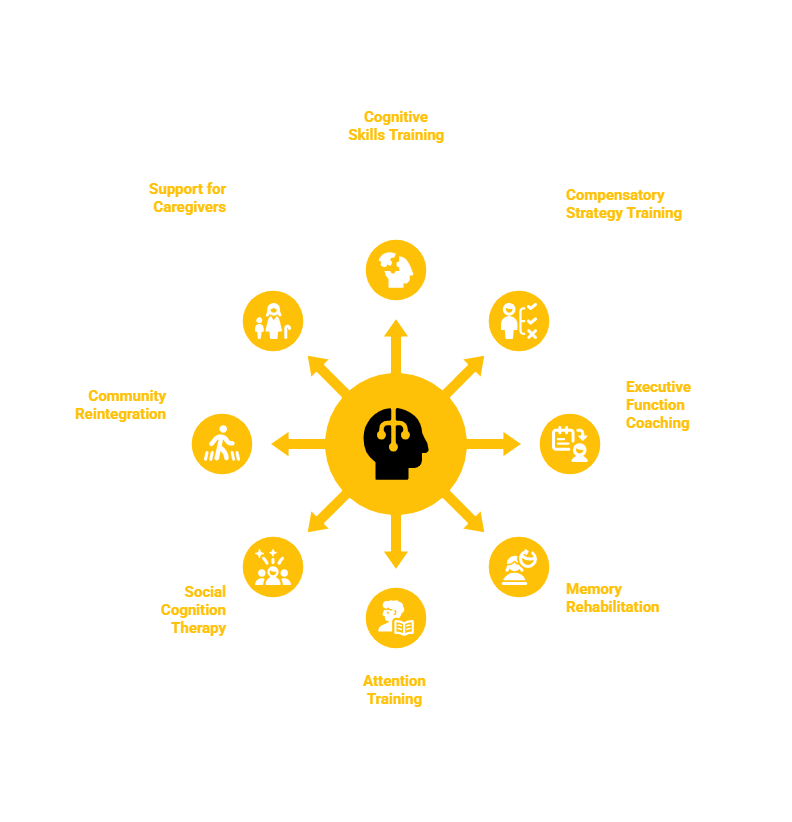
Providers are expected to deliver a comprehensive suite of interventions, ranging from cognitive skills training to caregiver support. By focusing on both the individual and their support system, providers foster an environment where cognitive improvements are reinforced at every stage of the participant's routine.
- Cognitive Skills Training: Targeted exercises for memory, attention, problem-solving, and reasoning.
- Compensatory Strategy Training: Teaching practical techniques to manage daily life deficits.
- Executive Function Coaching: Enhancing planning, organizational, and task management capabilities.
- Community Reintegration: Assisting participants in applying learned cognitive skills to real-world social and vocational settings.
- Caregiver Support: Providing training and resources to families for ongoing management of cognitive challenges.
What Are the Essential Requirements for Provider Enrollment?
Entering the field as a Medicaid provider in New Jersey requires meticulous preparation, starting with the establishment of a formal business entity. Providers must register their business with the New Jersey Division of Revenue and Enterprise Services and secure a federal Employer Identification Number (EIN) and a Type 2 National Provider Identifier (NPI).
Beyond basic business registration, agencies must demonstrate institutional readiness. This includes obtaining the necessary insurance coverages—specifically general and professional liability—and developing comprehensive policy manuals that outline safety protocols, clinical documentation standards, and HIPAA compliance procedures. Staffing must also be solidified, ensuring all personnel meet the background check, health screening, and credentialing requirements mandated by the state.
- Register entity with the New Jersey Division of Revenue and Enterprise Services.
- Obtain IRS EIN and NPI (Type 2).
- Secure general and professional liability insurance.
- Submit the Provider Enrollment Application via the New Jersey Medicaid Provider Enrollment Portal.
- Establish written policies for intervention protocols, safety, and client rights.
How Do Staffing and Credentialing Standards Ensure Quality?
The integrity of a Cognitive Rehabilitation program is defined by its human capital. The Program Director acts as the clinical lead, requiring a Master’s degree in psychology, occupational therapy, or a related field, alongside specialized certification in brain injury rehabilitation. Their role is to oversee the therapeutic rigor of the agency and ensure compliance with program management standards.
Therapists delivering direct care—such as Licensed Occupational Therapists (OTs), Speech-Language Pathologists (SLPs), or Certified Brain Injury Specialists (CBIS)—must hold current professional licenses and demonstrate expertise in cognitive therapy. Assistants, while requiring at least a Bachelor’s degree in a relevant field, must function under the direct supervision of these licensed professionals to ensure that every intervention aligns with the participant's ISP.
- Program Director: Master’s degree in psychology or OT; certification in brain injury rehabilitation.
- Cognitive Rehabilitation Therapists: Licensed OTs, SLPs, or CBIS with documented cognitive rehabilitation experience.
- Cognitive Rehabilitation Assistants: Bachelor’s degree in a psychology-related field; requires supervisor oversight.
- Ongoing Development: Annual competency evaluations and mandatory training in HIPAA, safety, and brain injury management.
What Is the Timeline for Establishing an Approved Program?
Launching a Medicaid-approved Cognitive Rehabilitation agency in New Jersey is a phased process that requires careful attention to administrative detail. The timeline generally spans several months, beginning with the foundational business and compliance stage and moving through the complex regulatory hurdles of Medicaid enrollment.
Following business formation, agencies should allocate time for hiring and program development, ensuring that documentation and clinical protocols are ready for review. The final stages involve the formal state review process and the subsequent setup of the billing infrastructure. Adhering to these sequences is essential to prevent delays in receiving authorization to bill for services.
- Business Formation & Compliance (1–2 months): Registration, NPI/EIN acquisition, and insurance.
- Staffing & Program Development (2–3 months): Hiring, credentialing, and drafting operational policies.
- Medicaid Enrollment & Readiness Review (60–90 days): Submission to the state and institutional evaluation.
- Billing Setup & Launch (30–45 days): Finalizing financial systems and authorizing service provision.
Frequently Asked Questions
Can I provide Cognitive Rehabilitation services without being licensed?
No, providers must be enrolled through the New Jersey Medicaid Provider Enrollment Portal and meet specific licensure or certification requirements as mandated by the DHS and DDD. Professional licensure, such as that held by OTs and SLPs, is typically required for clinical service delivery.
What documentation is required during the readiness review?
The state evaluates your policy manual, including cognitive assessment protocols, intervention strategies, staff credentialing records, HIPAA compliance measures, and emergency management/crisis response procedures.
Which Medicaid waivers cover these services in New Jersey?
Services are authorized under several programs, including the Community Care Program for the Elderly and Disabled (CCPED), the Supports Program Waiver, the Acquired Brain Injury (ABI) Waiver, the Personal Care Assistant (PCA) Waiver, and the general Home and Community-Based Services (HCBS) Waiver.
Key Takeaway
Successfully launching a Cognitive Rehabilitation Services agency in New Jersey requires a disciplined approach to regulatory compliance, clinical staffing, and operational infrastructure. By aligning with DHS and DDD standards early in the development phase—and ensuring that all staff meet the stringent educational and certification requirements—agencies can position themselves as essential partners in the New Jersey Medicaid landscape, providing high-quality cognitive support to those who need it most.
Last verified: 2024. This content is provided for informational purposes only and does not constitute legal or professional advice. Please consult directly with the New Jersey Department of Human Services or the Division of Developmental Disabilities for the most current regulatory requirements and enrollment guidelines.