CASE MANAGEMENT SERVICES PROVIDER IN MONTANA
By Fatumata Kaba · 2025-08-06 · 5 min read
What Does a Case Management Services Provider Do in Montana?
Case Management Services in Montana serve as the essential link between individuals with complex needs and the community-based supports required to live independently. By facilitating coordinated care for individuals with disabilities, chronic illnesses, or specialized health requirements, case managers act as the primary point of contact for service navigation, advocacy, and clinical planning. These services are authorized and strictly regulated under Montana’s Medicaid Home and Community-Based Services (HCBS) waiver programs.
A professional Case Management provider is responsible for translating the participant's goals into actionable steps, ensuring that the Individualized Service Plan (ISP) remains a living document that adapts to the participant's evolving health status. By fostering independence and well-being, these providers bridge the gap between fragmented medical systems and the participant's desire to remain in their own home and community rather than institutional settings.
Who Governs and Oversees Montana HCBS Case Management?
The regulatory landscape for Montana Medicaid is structured to ensure that federal mandates for participant safety and quality of care are met at the state level. The Montana Department of Public Health and Human Services (DPHHS) serves as the primary governing agency, responsible for administering Medicaid waiver funding, managing provider enrollment, and conducting ongoing monitoring of service authorization and reimbursement protocols.
Within DPHHS, the Developmental Disabilities Program (DDP) plays a specialized role in overseeing service quality and ensuring strict compliance with participant protection standards. At the federal level, the Centers for Medicare & Medicaid Services (CMS) provides oversight to guarantee that Montana’s Medicaid-funded programs align with national standards for person-centered planning. Providers must operate within these multi-layered regulatory frameworks to maintain their standing as eligible billing entities.
What Are the Core Responsibilities of an Approved Provider?
Approved Case Management providers must deliver services that are comprehensive, person-centered, and compliant with the specific requirements of the participant’s assigned waiver. The provider agency serves as an advocate for the participant, ensuring that their rights are respected while navigating the complexities of the healthcare system. The fundamental objective is to provide high-quality support that empowers the participant to reach their highest potential for independence.
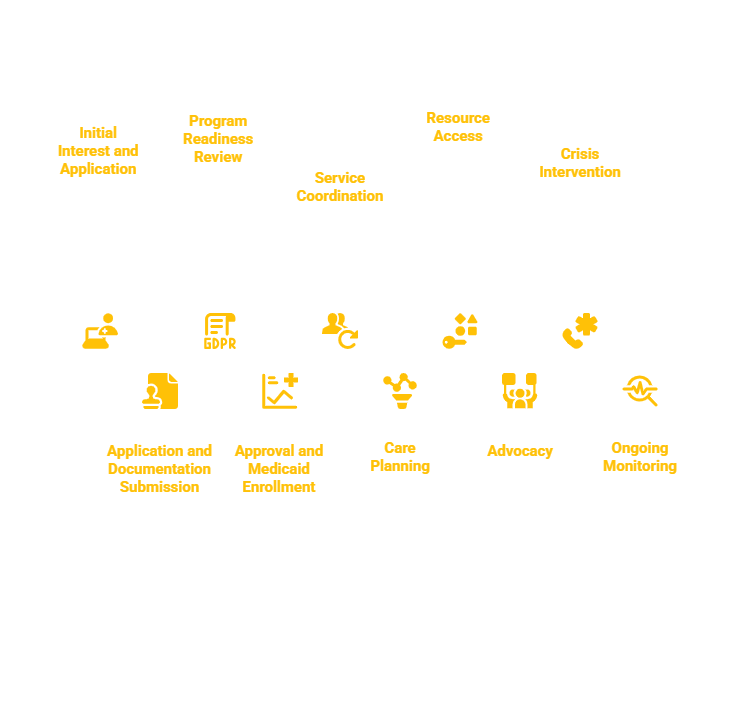
- Service Coordination: Proactively linking individuals to essential medical, behavioral, and social services.
- Care Planning: Developing, implementing, and regularly monitoring Individualized Service Plans (ISPs).
- Resource Access: Assisting participants with the administrative burden of applying for housing, financial assistance, and community resources.
- Advocacy: Representing the participant’s voice in meetings and ensuring service delivery aligns with individual preferences.
- Crisis Intervention: Acting as the immediate point of contact during health or safety emergencies to coordinate rapid-response support.
- Ongoing Monitoring: Evaluating the effectiveness of existing services and adjusting care plans to meet changing needs.
How to Navigate the Montana Provider Enrollment Process
Launching a Case Management agency requires a structured approach to administrative compliance and documentation. The process begins with standard business formation, including registration with the Montana Secretary of State, obtaining an Employer Identification Number (EIN) from the IRS, and securing a Type 2 National Provider Identifier (NPI). These foundational steps allow an agency to function as a legal entity capable of entering into a provider agreement with the state.
Once the business is established, the agency must initiate the Medicaid Provider Enrollment Application through the official Montana Medicaid Provider Enrollment Portal. This involves submitting a comprehensive packet that includes proof of liability insurance, staff credentialing records, and a formal policy and procedure manual. DPHHS performs a rigorous Program Readiness Review to evaluate the agency’s capacity to deliver quality care, verify the robustness of its documentation systems, and ensure that all proposed staff meet the state’s rigorous qualification standards.
What Staffing and Documentation Standards Must Be Met?
Compliance is centered on the quality and preparedness of the agency’s staff. The Program Director must typically possess a Bachelor’s degree in social work, human services, or a related healthcare field, often supplemented by prior experience in care coordination and supervisory roles. Case managers themselves are required to have relevant undergraduate degrees and must undergo specific training in person-centered planning, HIPAA compliance, and crisis management.
Documentation requirements are extensive, as they serve as the primary evidence of compliance during state audits. Agencies are expected to maintain meticulous records, including:
- Articles of Incorporation and verifiable business licenses.
- Detailed Policy & Procedure Manuals covering everything from intake to emergency protocols.
- Verified background checks and health screenings for all employees.
- Comprehensive training logs that demonstrate ongoing competency evaluations for all staff.
- Audit-ready Medicaid billing records that align with the services authorized in the participant’s ISP.
Frequently Asked Questions
Which Medicaid waivers currently allow for Case Management services?
Case Management is a critical component of several Montana Medicaid HCBS waivers, including the Comprehensive Waiver for Individuals with Developmental Disabilities, the Community Supports Waiver for Adults with Physical Disabilities, the Big Sky Waiver (Aged and Disabled), the Traumatic Brain Injury (TBI) Waiver, and the Children's Autism Waiver.
What is the typical timeline for establishing a new agency?
The timeline is generally divided into four phases: business formation (1–2 months), staff recruitment and internal program development (2–3 months), state enrollment and readiness review (60–90 days), and final billing setup (30–45 days). The exact duration depends on the agency's speed in compiling documentation and the state's processing volume.
What is the role of an Individualized Service Plan (ISP)?
The ISP acts as the blueprint for all services provided. It is a mandatory document that outlines the specific needs, goals, and authorized services for the individual. All billing and care delivery must strictly adhere to the specific provisions laid out in the ISP to ensure Medicaid compliance.
Key Takeaway
Establishing a successful Case Management agency in Montana requires a rigorous commitment to regulatory compliance, a deep understanding of person-centered care principles, and a disciplined approach to documentation and administrative enrollment. By aligning internal operations with DPHHS and DDP standards, providers can build a sustainable organization capable of delivering vital support to Montana's most vulnerable populations while maintaining long-term eligibility for Medicaid reimbursements.
Last verified: October 2023. Disclaimer: This information is for educational purposes and does not constitute legal or professional medical advice. Always consult with the Montana Department of Public Health and Human Services (DPHHS) for the most current regulations and policy updates regarding Medicaid provider enrollment.