BEHAVIORAL SERVICES PROVIDER IN CONNECTICUT
By Fatumata Kaba · 2025-07-08 · 5 min read
SUPPORTING INDIVIDUALS WITH CHALLENGING BEHAVIORS THROUGH EVIDENCE-BASED INTERVENTIONS THAT PROMOTE STABILITY, INDEPENDENCE, AND QUALITY OF LIFE
Behavioral Services in Connecticut are essential Medicaid-funded interventions designed to assess, manage, and reduce behaviors that impede an individual’s ability to participate in community life, learning, or independent living. These services are primarily administered through Connecticut Department of Developmental Services (DDS) Home and Community-Based Services (HCBS) waivers and must be meticulously aligned with the specific goals outlined in a participant’s Individual Plan (IP).
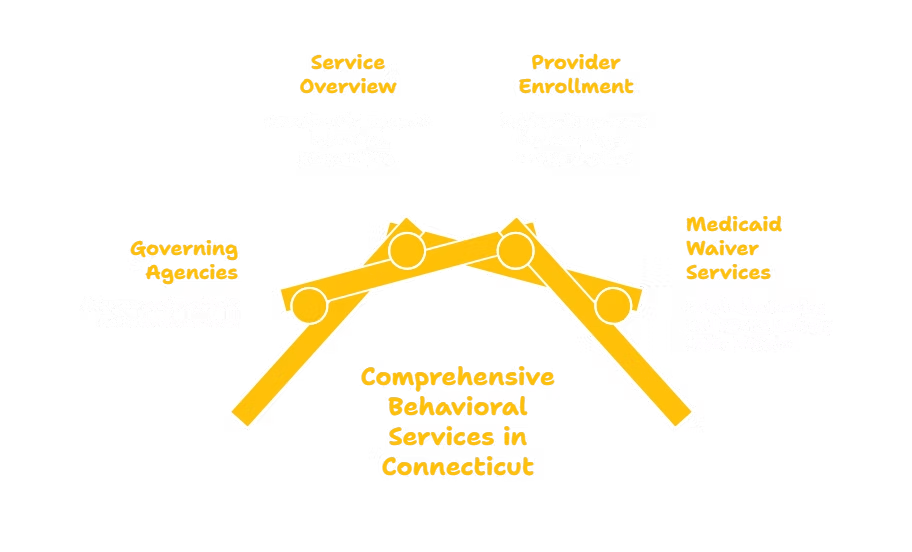
Understanding the Governing Agency Landscape
The regulatory framework for Behavioral Services in Connecticut is a collaborative effort between state and federal agencies to ensure clinical integrity and fiscal responsibility. The Department of Developmental Services (DDS) serves as the primary entity responsible for overseeing the delivery of these services for individuals with intellectual and developmental disabilities. DDS sets the standards for provider qualifications, clinical oversight, and the implementation of person-centered behavioral interventions.
Complementing DDS, the Connecticut Department of Social Services (DSS) functions as the administrator for all Medicaid-related waiver funding. DSS is tasked with monitoring provider reimbursement, ensuring overall HCBS program compliance, and verifying that services are delivered within the scope of state and federal regulations. Finally, the Centers for Medicare & Medicaid Services (CMS) provides the overarching federal oversight, mandating that all behavioral services meet strict clinical, safety, and person-centered standards required for federal financial participation.
Core Components of Behavioral Service Delivery
Behavioral Services are rooted in the necessity of addressing behaviors that pose risks to the individual or others, or that significantly interfere with the performance of daily activities. Providers are responsible for the entire lifecycle of a behavioral intervention, starting from the initial assessment and moving through to the development of a comprehensive Behavior Support Plan (BSP). The service must be highly individualized, reflecting the unique triggers and communication needs of the participant.
Approved providers in the state of Connecticut typically perform the following essential duties:
- Conducting Functional Behavioral Assessments (FBAs) to identify the "why" behind specific behaviors.
- Developing and implementing actionable Behavior Support Plans (BSPs).
- Creating crisis intervention strategies and individualized safety plans.
- Designing skill replacement strategies that utilize positive behavior supports.
- Providing robust training to caregivers and direct support staff regarding behavior management techniques.
- Monitoring progress through systematic data collection and revising intervention plans based on observed outcomes.
Navigating Licensing and Provider Approval Requirements
Establishing a Behavioral Services agency requires adherence to both state business regulations and specific clinical criteria set by DDS. Before an agency can begin billing, the business must be properly registered with the Connecticut Secretary of the State and possess a valid EIN from the IRS. Furthermore, a Type 2 NPI (National Provider Identifier) is mandatory for organizations operating as group practices or agencies.
Clinical qualifications are the cornerstone of the approval process. The agency must employ or contract with licensed, credentialed professionals such as Board Certified Behavior Analysts (BCBAs), Licensed Clinical Social Workers (LCSWs), or psychologists. Beyond clinical staff, agencies must maintain adequate liability insurance and establish a documentation infrastructure that ensures full compliance with HIPAA standards and the specific record-keeping requirements of the HCBS waiver program.
The Provider Enrollment Sequence
The path to becoming an approved DDS Behavioral Services provider is structured into three distinct phases. First, an agency must formally apply to DDS as a Qualified Behavioral Services Provider. This submission includes a comprehensive packet containing professional resumes, clinical licenses, detailed program descriptions, and samples of behavior support protocols that the agency intends to use.
Once the application is reviewed, the second phase involves provider orientation and onboarding. During this time, the agency participates in DDS-led sessions to ensure they understand the nuances of the waiver system and the expectations for service delivery. In the final phase, upon successful approval and inclusion in the state’s provider directory, the agency may begin receiving service authorizations. Service delivery can only commence once the participant has been assigned to the provider through their Individual Plan (IP).
Establishing Documentation and Staffing Infrastructure
Compliance is maintained through rigorous documentation practices. An agency’s internal policy and procedure manual must include templates for FBAs and BSPs, standardized data tracking and graphing tools, and clear protocols for emergency interventions. Furthermore, the agency must maintain well-organized logs for clinical supervision, peer reviews, staff training sessions, and mandatory incident reporting, ensuring that all records are audit-ready at all times.
Staffing requirements are equally stringent to ensure high-quality care. Behavioral Clinicians must hold an active Connecticut license or certification and demonstrate specific experience in intellectual/developmental disabilities. Behavioral technicians, who often work directly with participants, must operate under the close supervision of these licensed clinicians. Regardless of the role, all staff must receive comprehensive training in positive behavior supports, person-centered planning, HIPAA regulations, abuse prevention, and emergency response procedures.
Frequently Asked Questions
What is the typical timeline to launch a Behavioral Services agency?
The total timeline varies, but generally, business formation takes 1–2 weeks, followed by a 30–60 day window for the DDS Behavioral Provider application and review process. Staff credentialing and the setup of internal clinical supervision systems usually require an additional 2–4 weeks before active service delivery can begin.
Are Behavioral Services limited only to DDS waivers?
While DDS waivers (Individual and Family Support and Comprehensive) are the primary funding sources, behavioral services may also be provided under ABI waivers when the behavior is linked to an acquired brain injury, or via Medicaid State Plan Services for outpatient therapy needs.
What is the role of the Behavior Support Plan (BSP)?
The BSP is a required, individualized document that details the specific strategies used to manage challenging behaviors. It must be based on the findings of a Functional Behavioral Assessment (FBA) and updated regularly based on progress data to ensure it remains effective and aligned with the participant's current needs.
WAIVER CONSULTING GROUP'S START-UP ASSISTANCE SERVICE — CONNECTICUT BEHAVIORAL SERVICES PROVIDER
We help clinicians and agencies launch compliant, person-centered Behavioral Services under Connecticut’s Medicaid and DDS waiver programs. Our services cover business registration, DDS provider application support, policy and procedure development, and the creation of essential templates for data tracking, clinical supervision, and incident reporting. We also provide guidance on referral networking to help agencies integrate into the broader behavioral health ecosystem.
Key Takeaway: Successfully launching a Behavioral Services agency in Connecticut requires a dual focus on rigorous administrative compliance with DDS/DSS and the implementation of clinical, data-driven interventions. Agencies that prioritize clear documentation, qualified staff supervision, and adherence to HIPAA standards are best positioned to serve the waiver population effectively and maintain long-term provider status.
Last verified: October 2023. This information is intended for educational purposes only and does not constitute legal or financial advice. Regulations regarding Medicaid waivers are subject to change; always consult with the Connecticut Department of Developmental Services (DDS) or the Department of Social Services (DSS) for the most current policy updates and specific requirements.