BEHAVIORAL HEALTH SERVICES PROVIDER IN IDAHO
By Fatumata Kaba · 2025-07-17 · 5 min read
Becoming a Behavioral Health Services provider in Idaho requires navigating a structured regulatory landscape designed to ensure high-quality care for individuals with mental health, emotional, or co-occurring substance use challenges. This process involves aligning your agency’s operational infrastructure with state-mandated licensing, Medicaid enrollment requirements, and person-centered clinical standards to effectively serve participants in their communities.
By securing approval through the Idaho Department of Health and Welfare (IDHW) and adhering to federal guidelines set by the Centers for Medicare & Medicaid Services (CMS), providers play a critical role in supporting emotional stability and recovery. The following guide outlines the essential steps, requirements, and governing frameworks necessary to establish a compliant and successful behavioral health practice in Idaho.
What Are the Governing Agencies and Regulatory Requirements?
The behavioral health sector in Idaho is overseen by a collaborative regulatory structure. The primary authority is the Idaho Department of Health and Welfare (IDHW), specifically the Division of Behavioral Health, which oversees statewide service delivery, facility licensing, and rigorous quality monitoring. Meanwhile, the IDHW Division of Medicaid serves as the financial gatekeeper, managing provider enrollment, service authorization, and the complex reimbursement processes required for state-funded mental health programs.
On a federal level, the Centers for Medicare & Medicaid Services (CMS) provides the overarching regulatory framework. CMS ensures that all Idaho-based Medicaid services align with national quality standards, emphasizing participant-centered care, community integration, and accessibility. Understanding the intersection of these three bodies is the foundation for any agency looking to maintain long-term compliance and programmatic viability.
How to Structure Your Behavioral Health Service Model
To provide effective support, agencies must offer a diverse array of services that meet the specific needs outlined in an individual's clinical assessment and person-centered treatment plan. Approved services generally range from outpatient mental health counseling to intensive community-based interventions, all aimed at fostering recovery and enhancing functional independence.
When designing your service menu, consider integrating the following clinical and supportive offerings:
- Individual, group, and family therapy for mental health counseling.
- Psychiatric evaluations, ongoing medication management, and specialized psychiatric nursing.
- Crisis intervention services, including mobile crisis response for immediate stability.
- Skills training focused on emotional regulation, healthy coping strategies, and activities of daily living.
- Peer support and recovery coaching led by certified individuals with lived experience.
- Psychosocial rehabilitation (PSR) and community integration support.
- Substance use disorder treatment services (contingent upon specific certifications).
What Are the Prerequisites for Provider Enrollment and Licensing?
The path to becoming an approved provider begins with formal business and administrative setup. Before seeking Medicaid authorization, your agency must establish its legal identity by registering with the Idaho Secretary of State and obtaining an Employer Identification Number (EIN) from the IRS. Additionally, obtaining a Type 2 National Provider Identifier (NPI) is essential for billing purposes.
Licensing and insurance are non-negotiable prerequisites. If your agency intends to provide facility-based services, you must secure licensure as a Behavioral Health Agency through the IDHW. Furthermore, your organization must maintain comprehensive insurance coverage, including general liability, professional liability, and malpractice insurance. Agencies must also develop a robust clinical policy framework covering intake procedures, treatment planning, participant rights, crisis response, and standardized documentation practices.
What is the Timeline for Medicaid Enrollment and Readiness?
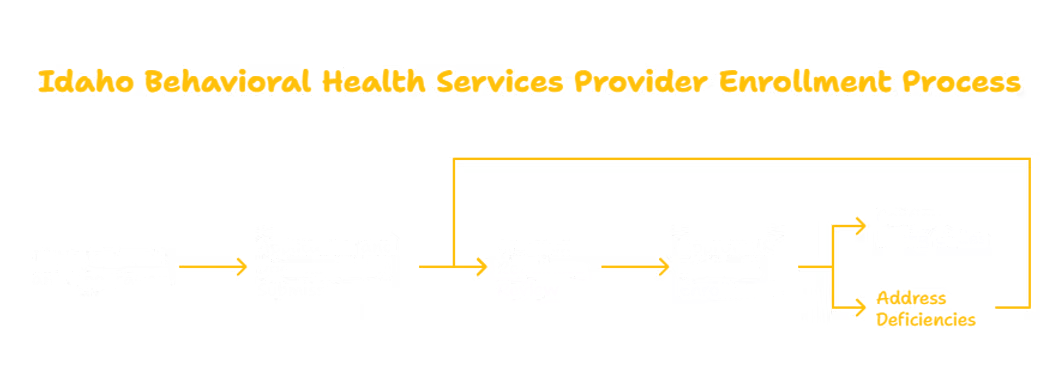
The launch process is divided into distinct phases, each requiring meticulous attention to detail to ensure Medicaid billing readiness. Business formation and initial credentialing typically require 1–2 weeks, while the development of clinical programs and hiring of qualified staff generally spans 2–3 months. This period is critical for establishing the internal culture and operational consistency required for success.
The formal IDHW licensing and Medicaid enrollment phase is the most time-intensive, often requiring 3–6 months to complete the required reviews. Once licensure and enrollment are secured, finalizing the configuration of your billing systems—ensuring they are accurately set up for therapy sessions, psychiatric services, and rehabilitation—typically takes an additional 30–45 days. Proper sequencing of these tasks is vital to minimize downtime and prepare for the influx of new participant referrals.
What Documentation and Staffing Standards Must Be Met?
Compliance hinges on your ability to provide documented evidence of your agency's adherence to state standards. Essential records include your Articles of Incorporation, proof of NPI/EIN, current professional licenses for all clinical staff, and a comprehensive Policy & Procedure Manual. This manual must explicitly cover HIPAA confidentiality, grievance handling, emergency preparedness, and critical incident reporting procedures, all of which are subject to audit by state reviewers.
Staffing requirements are equally stringent. A Clinical Director or Program Manager must hold a Master’s degree or higher in behavioral health and possess an active Idaho license (LCSW, LCPC, LMFT, or equivalent) with documented experience in clinical supervision. Similarly, all therapists and Peer Support Specialists must hold valid Idaho credentials. Every employee, regardless of their role, must undergo thorough background screening and complete mandatory training in HIPAA, suicide prevention, and participant rights.
Frequently Asked Questions
Does my agency need a separate license for substance use treatment?
Yes, while general behavioral health services are covered under standard licensing, substance use disorder treatment services typically require additional specific certification through the IDHW to demonstrate clinical competency in addiction recovery models.
What role do HCBS waivers play in behavioral health?
HCBS waivers, such as the Aged and Disabled (A&D) Waiver and the Developmental Disabilities (DD) Waiver, provide specific authorizations for behavioral supports that go beyond the Medicaid State Plan. These waivers are essential for providing targeted interventions that focus on habilitation and community integration for specific participant populations.
How does the program readiness review impact my launch?
The IDHW program readiness review evaluates your clinical systems, participant protections, and billing practices. This review is a final gatekeeper to ensure that your agency is fully prepared to provide safe, compliant care before any Medicaid claims can be processed.
Key Takeaway
Launching a behavioral health practice in Idaho is a multifaceted process that demands strict adherence to IDHW and Medicaid standards. By prioritizing administrative compliance, recruiting qualified clinicians, and maintaining rigorous documentation and quality assurance protocols, providers can successfully integrate into Idaho’s Medicaid network and deliver essential mental health services to the community.
Last verified: August 2024. This information is intended for educational purposes only and does not constitute legal or professional advice. Always consult directly with the Idaho Department of Health and Welfare or a qualified consultant regarding specific licensing and provider enrollment requirements for your organization.