ASSISTIVE TECHNOLOGY PROVIDER IN VERMONT
By Fatumata Kaba · 2026-04-09 · 5 min read
ENABLING GREATER INDEPENDENCE THROUGH SPECIALIZED DEVICES THAT SUPPORT MOBILITY, COMMUNICATION, AND DAILY FUNCTIONING
Assistive Technology (AT) Services in Vermont empower individuals with disabilities by providing specialized equipment designed to enhance independence, safety, and community participation. As a vital component of the state’s Home and Community-Based Services (HCBS) framework, these services encompass the evaluation, acquisition, customization, training, and ongoing maintenance of high- and low-tech devices that are essential for daily functioning.
For provider agencies looking to enter this sector, it is critical to understand that AT services must be explicitly outlined in a participant’s Individual Support Plan (ISP) and coordinated through the Department of Disabilities, Aging and Independent Living (DAIL) alongside its network of Designated and Specialized Service Agencies (DAs/SSAs). By aligning operational workflows with these regulatory requirements, providers can ensure they are well-positioned to deliver high-quality, reimbursable services to Vermonters in need.
What are the Roles of Vermont’s Governing Agencies?
The regulatory landscape for Assistive Technology in Vermont is structured to ensure that every device provided is medically or functionally necessary and that funding is managed with fiscal responsibility. The Department of Disabilities, Aging and Independent Living (DAIL) serves as the primary authority, responsible for approving AT services within the context of waiver programs and overseeing the rigorous standards for provider qualifications and documentation.
Complementing DAIL’s oversight, the Department of Vermont Health Access (DVHA) acts as the financial anchor for the system, administering the Medicaid funding streams and the technical billing systems required to process claims. On the ground, the Designated Agencies (DAs) and Specialized Service Agencies (SSAs) facilitate the direct connection between the participant and the service provider. These agencies are responsible for coordinating formal AT assessments and ensuring that the selected technology is formally integrated into the participant’s ISP.
Which Assistive Technology Services are Available to Participants?
AT services are designed to bridge the gap between a participant's current functional capacity and their personal goals for independence. These devices range from simple, off-the-shelf aids to highly complex, custom-engineered systems tailored to an individual’s specific physical or cognitive needs. The scope of service extends beyond the hardware itself to include the professional assessment, configuration, and consistent maintenance required to keep the technology operational.
- Communication aids: Advanced speech-generating devices and software interfaces.
- Environmental control units: Systems that allow for remote operation of lights, doors, and thermostats.
- Adaptive computer hardware: Specialized keyboards, mice, and screen readers.
- Mobility supports: Custom-adapted walkers, standing frames, and power mobility chairs.
- Sensory and daily living aids: Visual timers, calming sensory equipment, modified utensils, and writing assistance tools.
- Adaptive switches and mounts: Custom-positioned controllers and physical structural supports for devices.
How Do Providers Navigate Licensing and Enrollment Requirements?
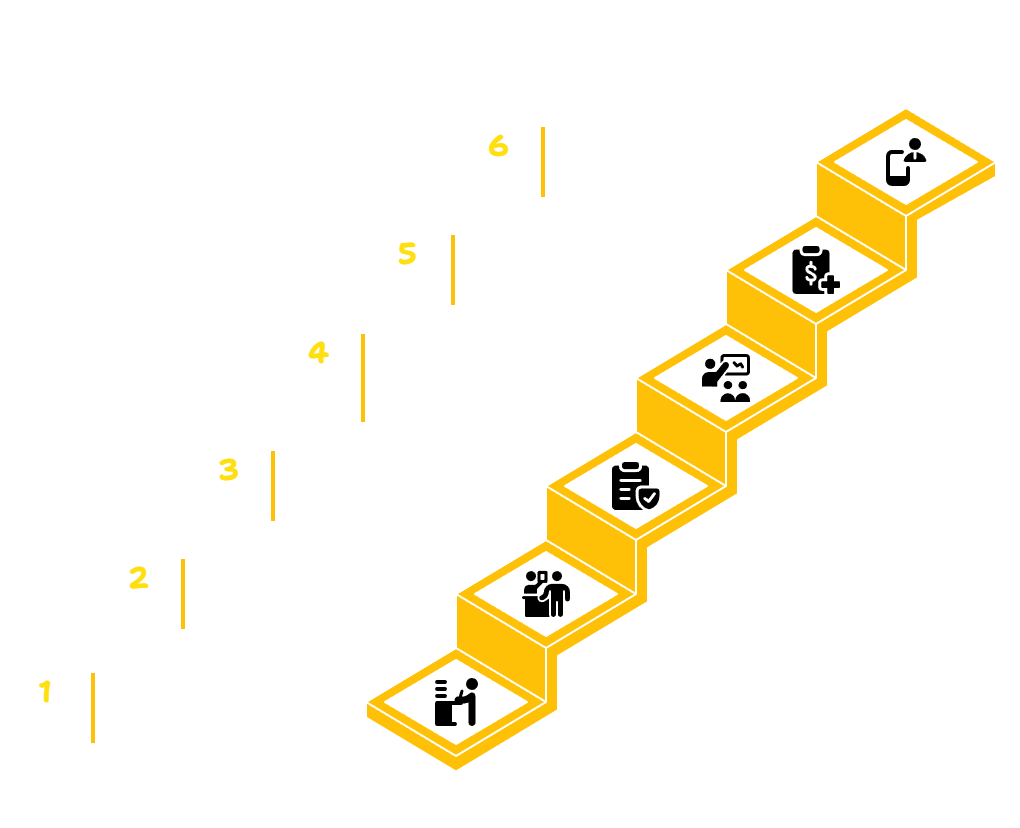
Becoming an approved Assistive Technology provider is a multi-step process that demands attention to both business registration and clinical compliance. Before a provider can begin delivering services, they must establish a formal business entity with the Vermont Secretary of State, obtain a federal Employer Identification Number (EIN), and secure a Type 2 National Provider Identifier (NPI). This foundational step ensures the business is recognized as a legal entity capable of contracting with state agencies.
Beyond the legal basics, providers must demonstrate operational readiness. This involves developing a comprehensive Policy & Procedure Manual that addresses every aspect of the AT service cycle—from the initial device assessment to the final training session with the participant. Providers must also maintain appropriate liability insurance, adhere to strict device safety standards, and, where necessary, secure manufacturer certifications to verify their technical competency with specific equipment.
What Documentation and Staffing Standards Must be Met?
Administrative rigor is the hallmark of a successful Vermont AT provider. Documentation is not merely a formality; it is the evidence required for Medicaid reimbursement. A provider’s documentation suite must include clear protocols for equipment ordering, tracking, delivery, installation, and ongoing maintenance. Furthermore, the provider must maintain detailed records of staff training, participant consent forms, HIPAA compliance policies, and the clinical justifications provided by therapists or other experts that validate the necessity of the technology.
Staffing requirements emphasize both technical skill and the ability to interact effectively with individuals who have disabilities. An Assistive Technology Specialist or Technician typically requires a background in rehabilitation, technology, or social services, alongside specific manufacturer training. Many providers also integrate licensed therapists—such as Occupational Therapists (OTs), Physical Therapists (PTs), or Speech-Language Pathologists (SLPs)—into their service delivery model to provide the clinical evaluation necessary to justify the procurement of complex AT devices.
Which Medicaid Waivers Cover Assistive Technology?
In Vermont, Assistive Technology is integrated into several key Home and Community-Based Services (HCBS) waivers. The Developmental Disabilities Services Waiver and the Choices for Care (CFC) Waiver represent the primary vehicles for funding, though the Children’s Personal Care and High-Tech Services Waiver may also cover AT on a case-by-case basis. Additionally, the Brain Injury Program incorporates AT as part of the specialized individualized support plans for its participants.
It is essential for providers to remember that Medicaid coverage is strictly governed by the principle of functional necessity. Any device proposed for a participant must be clearly linked to goals identified in their ISP. Furthermore, services must not be duplicative; if a device or support can be covered by another source or service, Medicaid typically will not authorize payment. Clear, evidence-based documentation that articulates why the specific technology is required is the provider's best tool for ensuring service authorization.
Frequently Asked Questions
What is the typical timeline to launch an AT provider agency?
The timeline generally spans three to five months. Business setup and documentation preparation take approximately 2–4 weeks, followed by 1–2 months for DA/SSA enrollment and manual approvals. Staff training and vendor setup typically take another 2–3 weeks before service delivery can commence upon ISP authorization.
Do I need to be a licensed therapist to provide AT services?
While licensed professionals like OTs, PTs, and SLPs are often required to perform the clinical evaluations and justifications for complex equipment, many AT providers operate as technicians who specialize in the assembly, training, and maintenance of devices, working in collaboration with those licensed clinicians.
Where can I find the official resources for Vermont AT programs?
Providers should regularly reference the Vermont Department of Disabilities, Aging and Independent Living (DAIL) website, the Department of Vermont Health Access (DVHA) for billing guidance, and the Vermont Assistive Technology Program (VATP) for technical information.
Key Takeaway
Establishing an Assistive Technology service in Vermont requires a strategic approach that prioritizes rigorous documentation, strong relationships with Designated and Specialized Service Agencies, and a deep understanding of Medicaid compliance. By mastering the operational workflows and regulatory requirements, providers can successfully integrate themselves into the state’s HCBS system to provide essential, life-changing support to individuals across Vermont.
Last verified: October 2023. This information is provided for educational purposes and should not be considered legal or medical advice. Please consult with the relevant Vermont state agencies for the most current policies and specific regulatory guidance.