ADULT HEALTH SERVICES PROVIDER IN SOUTH CAROLINA
By Fatumata Kaba · 2025-10-13 · 5 min read
DELIVERING PERSON-CENTERED MEDICAL AND SUPPORTIVE CARE TO PROMOTE HEALTH, DIGNITY, AND INDEPENDENCE FOR ADULTS IN COMMUNITY SETTINGS
Adult Health Services in South Carolina encompass a vital network of Medicaid-funded, in-home, and community-based medical and non-medical services designed for adults living with disabilities, chronic conditions, or age-related health requirements. These services are essential for fostering functional independence, enhancing quality of life, and preventing unnecessary institutionalization by providing care within the participant’s chosen environment. Programs are primarily administered through South Carolina Medicaid’s Home and Community-Based Services (HCBS) Waivers, the Community Long Term Care (CLTC) program, and specialized waivers managed by the Department of Disabilities and Special Needs (DDSN).
How Are Adult Health Services Governed and Regulated in South Carolina?
The regulatory landscape for Adult Health Services involves a collaborative framework between state and federal entities. The South Carolina Department of Health and Human Services (SCDHHS) serves as the primary authority, overseeing Medicaid enrollment, provider reimbursement, and the establishment of clinical standards under the HCBS and CLTC programs. Compliance with these standards is essential for maintaining eligibility as a Medicaid provider.
Beyond SCDHHS, several other agencies hold distinct roles in the oversight process. The South Carolina Department of Disabilities and Special Needs (DDSN) is responsible for authorizing medical and personal care services specifically for adults with developmental disabilities. Meanwhile, the South Carolina Department of Health and Environmental Control (DHEC) regulates the licensure of clinical and home-based facilities, ensuring they meet safety and quality care benchmarks. Finally, the Centers for Medicare & Medicaid Services (CMS) maintains oversight of all federal Medicaid guidelines, ensuring state programs align with national waiver requirements.
- SCDHHS: Manages Medicaid enrollment and program integrity.
- DDSN: Authorizes services for individuals with intellectual and developmental disabilities.
- DHEC: Sets licensure standards for clinical and facility-based operations.
- CMS: Provides federal regulatory oversight and waiver approval.
What Are the Core Service Offerings for Approved Providers?
Approved providers deliver a comprehensive range of medical, therapeutic, and supportive services tailored to individual care plans. These interventions, whether delivered in a private home or a licensed adult day health center, are designed to stabilize chronic health conditions and assist with daily living tasks, thereby facilitating successful community integration.
The scope of services typically includes skilled nursing tasks such as medication administration, chronic disease monitoring, and professional wound care. Providers also offer personal care assistance with bathing, dressing, toileting, and mobility. Adult Day Health Care centers expand on these services by providing a supervised environment featuring meals, routine health screenings, and structured therapeutic recreation. Success in these roles requires meticulous care coordination, consistent communication with physicians and case managers, and the diligent maintenance of clinical documentation, including daily logs and billing records.
What Are the Requirements for Provider Enrollment and Licensing?
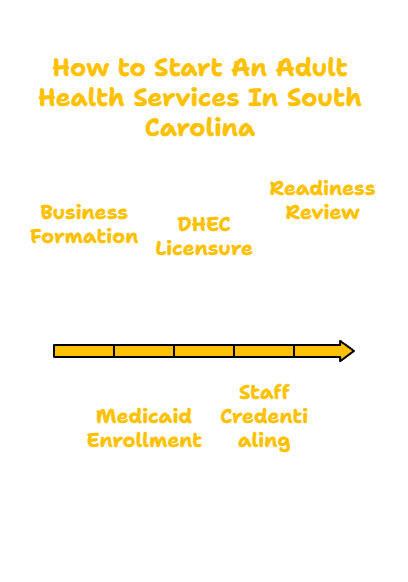
The path to becoming a Medicaid provider requires a systematic approach to business formation and regulatory compliance. Initially, a provider must register as a formal business entity with the South Carolina Secretary of State and obtain an Employer Identification Number (EIN) and a Type 2 National Provider Identifier (NPI). This foundational step is followed by formal applications to SCDHHS and, where applicable, DDSN for provider enrollment under specific categories like Personal Care, Home Health, or Adult Day Health.
For organizations intending to deliver skilled nursing care or operate adult day health facilities, securing DHEC licensure is a critical requirement. This process often involves a rigorous review of physical facilities, staffing models, and operational safety protocols. Throughout this phase, the provider must maintain adequate liability and workers’ compensation insurance to protect the agency and its participants. Finally, the development of a comprehensive Adult Health Services Policy & Procedure Manual is mandatory to demonstrate an agency’s ability to manage clinical care and regulatory compliance effectively.
How Do Agencies Prepare for the Enrollment and Readiness Process?
The provider enrollment journey is structured into several defined stages, beginning with business entity formation and moving toward facility licensing. Once the administrative framework is established, applicants must submit detailed provider applications to the relevant state departments. This submission must include comprehensive documentation, such as proof of insurance, staff credentials, and the completed Policy & Procedure Manual.
After the application review, a provider readiness review may be conducted by state officials to ensure the agency can effectively deliver services. During this period, the agency must be prepared to verify that all administrative protocols, such as medication management, vital signs tracking, and emergency response plans, are fully operational. Once the agency passes these evaluations and receives official approval letters, it may begin receiving referrals and delivering reimbursable services to participants.
Which Medicaid Waiver Programs Support These Services?
South Carolina utilizes several distinct waiver programs to fund Adult Health Services. The Community Long Term Care (CLTC) program is the primary mechanism for elderly and disabled adults who require in-home support to maintain their residency in the community. For individuals with intellectual and developmental disabilities, the ID/RD Waiver and the Community Supports Waiver offer tailored pathways for care, while the HASCI Waiver provides specific support for individuals managing acquired brain and spinal cord injuries.
Beyond these specific waivers, the state provides additional avenues for care coverage. The Early and Periodic Screening, Diagnostic, and Treatment (EPSDT) benefit, along with the TEFRA program, serves pediatric participants as they transition into adult-oriented services. Furthermore, State Plan Medicaid Services may be utilized for eligible home health or professional nursing care requirements that do not fall under traditional waiver scopes.
Frequently Asked Questions
What qualifications are required for nursing and clinical staff?
Registered Nurses (RNs) must hold a current South Carolina license and are responsible for medication oversight, clinical documentation, and staff supervision. Certified Nursing Assistants (CNAs) or Personal Care Aides must pass background checks, complete CPR/First Aid certification, and undergo specific training for Activities of Daily Living (ADL) assistance.
How long does the provider enrollment process typically take?
The launch process is generally divided into phases: 1–2 months for business formation and policy development, 2–3 months for Medicaid enrollment and licensing, and 1–2 months for staff hiring and training. The final service activation occurs once authorizations and participant referrals are received.
What must be included in the Policy & Procedure Manual?
The manual must detail participant intake and care plan templates, medication and vital signs protocols, documentation standards for shift notes, emergency and critical incident response procedures, HIPAA compliance guidelines, and robust quality assurance tools for billing and service tracking.
Key Takeaway
Establishing an Adult Health Services provider agency in South Carolina is a rigorous process that demands strict adherence to SCDHHS, DDSN, and DHEC regulations. Success relies on the successful integration of professional staffing, precise clinical documentation, and a thorough understanding of the various Medicaid waiver programs that facilitate participant care and provider reimbursement.
Last verified: 2024. The information provided is for educational purposes and does not constitute legal or professional advice. Always consult with the relevant state agencies, including SCDHHS, DDSN, and DHEC, for the most current regulatory requirements and enrollment documentation.