ADULT HEALTH SERVICES PROVIDER IN NEBRASKA
By Fatumata Kaba · 2025-08-08 · 5 min read
Understanding Adult Health Services in Nebraska
Adult Health Services in Nebraska represent a vital component of the state's Medicaid Home and Community-Based Services (HCBS) framework, designed to support adults who face chronic conditions, disabilities, or age-related limitations. By providing personalized healthcare, monitoring, and daily living assistance, these services empower participants to maintain their well-being while living independently in their own homes or community settings.
For healthcare entrepreneurs and agency administrators, becoming a provider requires a thorough understanding of the regulatory landscape governed by the Nebraska Department of Health and Human Services (DHHS). Successfully launching these services involves adhering to rigorous federal and state quality standards, ensuring that person-centered care is at the heart of every service delivered under the various Medicaid waiver programs.
Who Regulates Adult Health Services?
The delivery of Adult Health Services in Nebraska is subject to oversight by multiple layers of government to ensure participant safety and fiscal integrity. The Nebraska Department of Health and Human Services (DHHS) serves as the primary state entity, managing Medicaid waiver funding, provider enrollment, and the critical processes of service authorization and reimbursement.
Working in conjunction with DHHS, the Nebraska Medicaid and Long-Term Care (MLTC) Division focuses on the day-to-day quality standards and compliance protocols necessary for HCBS waiver programs. At the federal level, the Centers for Medicare & Medicaid Services (CMS) provides overarching guidance. CMS establishes the foundational requirements for participant protections, person-centered planning, and overall program quality, ensuring that Medicaid funds are used effectively to enhance the lives of eligible Nebraskans.
Core Service Offerings and Participant Support
Adult Health Services are highly customizable, structured around the participant’s Individualized Service Plan (ISP). This ensures that each individual receives the precise level of care required to manage their specific health conditions. Providers are responsible for delivering a wide range of essential supports that address both clinical and lifestyle needs.
- Health and Chronic Disease Management: Routine monitoring of vital signs and blood pressure, combined with ongoing care planning for conditions such as diabetes, COPD, and hypertension.
- Medication and Nutritional Support: Facilitating medication administration, compliance monitoring, meal planning, and dietary education.
- Personal Care and Therapeutic Services: Assisting with Activities of Daily Living (ADLs) such as bathing and mobility, while offering physical, occupational, and speech therapy to improve functional independence.
- Mental Health Support: Providing counseling and behavioral interventions to support emotional and psychological well-being.
Licensing and Provider Enrollment Prerequisites
Transitioning into a Medicaid-approved Adult Health Services provider is a multi-step process that demands meticulous preparation. Before initiating an application, a business must be properly established as a legal entity with the Nebraska Secretary of State and obtain the necessary federal identifiers, including an EIN and a Type 2 NPI. These foundational steps are mandatory for all subsequent Medicaid documentation.
Beyond legal formation, providers must demonstrate operational readiness. This involves securing appropriate general and professional liability insurance and developing robust internal policies that govern patient care, medication management, and safety protocols. Additionally, all healthcare staff must be vetted through comprehensive background checks and verified against their professional licensure requirements to ensure they meet the standard of care expected by the state.
Navigating the Nebraska Medicaid Enrollment Process
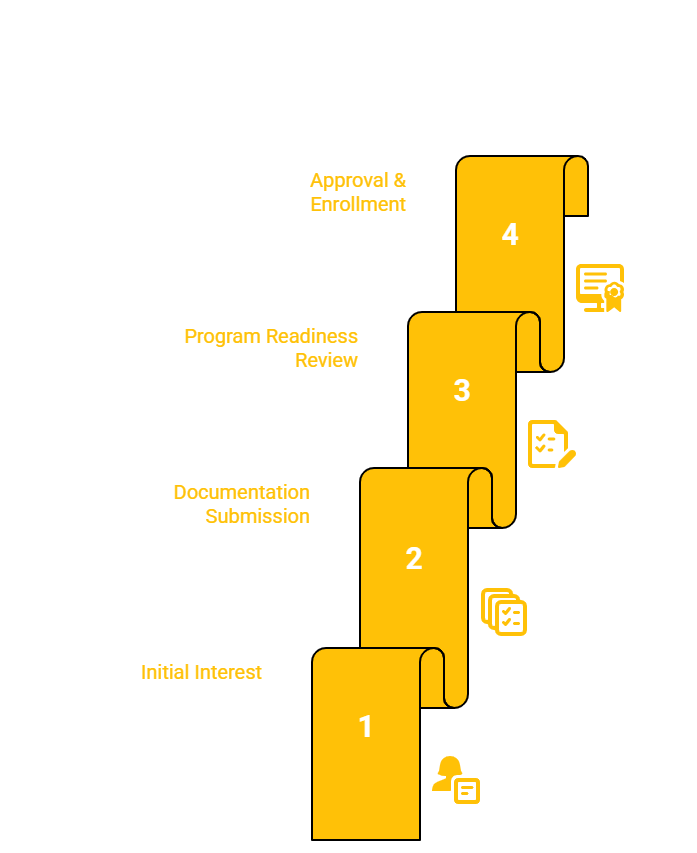
The enrollment journey begins within the Nebraska Medicaid Provider Enrollment Portal. Prospective providers must submit a detailed application specifically for Adult Health Services under the applicable HCBS waivers. During this phase, the applicant must provide a comprehensive portfolio of documents, including Articles of Incorporation, proof of valid insurance, and evidence of staff credentials.
Following the submission, the DHHS conducts a formal Program Readiness Review. This evaluation is not merely administrative; it is a thorough assessment of the agency’s healthcare protocols, safety procedures, and organizational capacity to deliver services. Once the review is successfully concluded and the agency is approved, the provider is officially authorized to bill Medicaid for services rendered using designated billing codes, marking the official launch of operations.
Staffing Standards and Operational Requirements
A successful Adult Health Services program relies heavily on the qualifications and dedication of its personnel. The staffing structure is generally hierarchical, beginning with an Adult Health Program Director, who must hold a degree in nursing or healthcare administration and possess the relevant supervisory experience. This individual is responsible for overseeing the clinical integrity of the program.
Direct care roles, including Registered Nurses (RNs) and Licensed Practical Nurses (LPNs), must maintain active Nebraska licensure and possess experience in adult, in-home care settings. Support staff, such as Personal Care Aides (PCAs) and mental health workers, must be properly trained and supervised to ensure they follow the established ISP. Ongoing professional development is a requirement, with staff needing to stay current in areas such as HIPAA compliance, infection control, and patient rights.
Frequently Asked Questions
What waivers are compatible with Adult Health Services?
Adult Health Services are available under several key Nebraska Medicaid waivers, including the Aged and Disabled (AD) Waiver, the Traumatic Brain Injury (TBI) Waiver, the Developmental Disabilities (DD) Waiver, the Children with Disabilities Waiver, and the general Home and Community-Based Services (HCBS) Waiver.
What is the typical timeline for launching a new agency?
From initial business formation to the start of billing, the process generally spans 6 to 10 months. This includes 1–2 months for business setup, 2–3 months for staffing and policy development, 60–90 days for Medicaid enrollment and readiness review, and 30–45 days for final billing system setup.
What documentation is critical for audit readiness?
Providers must maintain comprehensive, organized records. This includes a formal Policy & Procedure Manual, staff training and credentialing logs, patient assessment and care planning documentation, medication management protocols, and HIPAA-compliant grievance and incident report files.
Key Takeaway
Launching an Adult Health Services agency in Nebraska requires a dual focus: strict adherence to the regulatory requirements of the DHHS and a commitment to high-quality, person-centered care. By systematically addressing provider enrollment, staffing qualifications, and documentation standards, agencies can build a sustainable model that improves the lives of Nebraskans while meeting all Medicaid compliance expectations.
WCG supports healthcare agencies in launching Medicaid-compliant Adult Health Services in Nebraska, offering support in business registration, Medicaid enrollment, policy manual development, staff credentialing, and audit-prepared financial management. Our professional services help you navigate the complexities of state and federal regulations to ensure your agency is fully prepared to provide quality care.
Last verified: 2024. Disclaimer: This article is for informational purposes only and does not constitute legal or professional medical advice. Always consult with the Nebraska Department of Health and Human Services (DHHS) or qualified legal counsel to ensure compliance with the most current state and federal regulations.