ADULT HEALTH SERVICES PROVIDER IN ARIZONA
By Fatumata Kaba · 2025-07-01 · 5 min read
Promoting wellness and independence through non-institutional health support for adults with chronic illnesses and disabilities.
Adult Health Services in Arizona are specialized programs designed to assist adults who require routine health monitoring, therapeutic supervision, and professional support in managing chronic conditions while residing in their own homes or community-based settings. By providing these essential supports, the Arizona Long Term Care System (ALTCS) and the state's Home and Community-Based Services (HCBS) programs aim to enhance the quality of life for participants while effectively delaying or preventing the need for more restrictive, institutionalized care.
What Are the Core Responsibilities of Governing Agencies in Arizona?
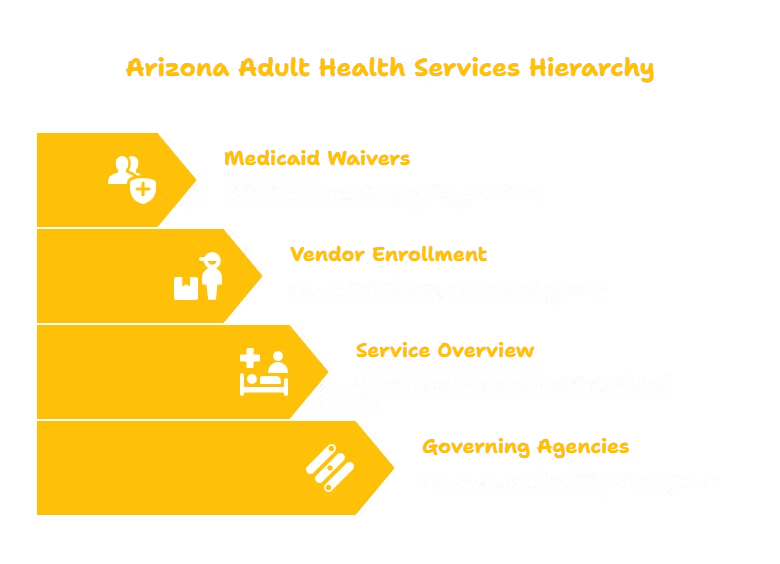
The regulatory landscape for Adult Health Services in Arizona is managed by a collaborative framework of state and federal agencies. The Arizona Health Care Cost Containment System (AHCCCS) serves as the primary administrator for Arizona’s Medicaid program, responsible for overseeing service reimbursements and managing the provider enrollment process to ensure fiscal and clinical accountability.
The Arizona Department of Economic Security (DES), specifically the Division of Developmental Disabilities (DDD), acts as the approving body for Qualified Vendors. This agency holds the critical role of monitoring the delivery of Adult Health Services to ensure they meet the specific needs of individuals with developmental disabilities. Simultaneously, the Centers for Medicare & Medicaid Services (CMS) provides federal oversight, ensuring that all HCBS delivery models comply with federal mandates, particularly regarding person-centered service standards and participant rights.
How Do Adult Health Services Support Participant Wellness?
Adult Health Services function as a non-emergency support system integrated directly into a participant's individualized care or support plan. These services are centered on chronic illness management and proactive health maintenance. By delivering structured support, providers help individuals maintain their independence and avoid health deterioration, ultimately reducing the frequency of hospital visits and emergency interventions.
Approved providers deliver a comprehensive range of health-related supports designed to stabilize the participant's physical and emotional well-being. These services include:
- Health-related supports and condition monitoring.
- Non-clinical assistance with mobility, personal hygiene, and nutritional intake.
- Health education and support for chronic illness self-management.
- Supervision to maintain daily safety and prevent health decline.
- Routine wellness checks and meticulous documentation of health status.
- Ongoing coordination with primary care physicians and designated support coordinators.
What Are the Essential Requirements for Provider Approval?
Entering the Arizona Medicaid market as a provider requires a structured approach to business formation and regulatory compliance. Before engaging with the state, an entity must be properly registered with the Arizona Corporation Commission, obtain an Employer Identification Number (EIN) from the IRS, and secure a Type 2 National Provider Identifier (NPI). These foundational steps establish the legal and administrative infrastructure necessary to operate in the healthcare sector.
Beyond basic business registration, prospective providers must demonstrate their capability to deliver high-quality, safe care. This includes maintaining robust liability insurance, implementing rigorous staff background check policies, and developing comprehensive internal policies that reflect person-centered health monitoring practices. Success in this field relies heavily on the quality of staff; therefore, providers must be prepared to hire and retain trained personnel such as Certified Nursing Assistants (CNAs), Direct Support Professionals (DSPs), or specialized wellness aides, depending on the specific service setting and the requirements of the participant's support plan.
How Does the Qualified Vendor Enrollment Process Function?
The enrollment journey for a DDD Qualified Vendor is a phased process that requires careful attention to detail. The process begins with the Pre-Application & Orientation phase, where potential providers must attend the mandatory DDD Qualified Vendor orientation. This session provides essential insight into the specific scope of Adult Health Services and the expectations for service delivery within the DDD framework.
Following orientation, providers move to the QVADS Application Submission phase. During this stage, providers submit comprehensive documentation, including staff training protocols, sample health monitoring logs, and detailed emergency and wellness safety policies. Once the documentation is verified, the final phase involves approval and contracting, where the provider signs a Qualified Vendor Agreement. Once fully contracted, the provider’s services and rates become listed in the Qualified Vendor Directory, allowing case managers to identify them as a resource for participants.
What Documentation Is Required for Long-Term Success?
Maintaining compliance is an ongoing requirement for all HCBS providers. A well-organized provider will maintain a comprehensive Policy & Procedure Manual that covers every aspect of the organization's operations. This manual must be readily available for review and should encompass intake and eligibility processes, daily health monitoring forms, and explicit infection control and emergency planning procedures.
Accurate record-keeping is the backbone of Medicaid reimbursement. Providers must be prepared to document and store the following items to remain in good standing:
- Articles of Incorporation and business licenses.
- Proof of NPI confirmation and IRS EIN verification.
- Staff qualification records, including annual refreshers and background check certifications.
- Detailed HIPAA compliance protocols and patient rights documentation.
- Evidence of ongoing communication with care teams and families.
Frequently Asked Questions
What is the typical timeline for launching an Adult Health Services agency?
The timeline involves several distinct phases: business formation (1–2 weeks), the QVADS application and review (60–90 days), staff hiring and training (30–45 days), and AHCCCS Medicaid enrollment and billing setup (45–60 days). Prospective providers should plan for a total lead time of approximately six months to ensure full readiness.
What are the mandatory qualifications for staff members?
At a minimum, wellness assistants must have a high school diploma or GED, CPR/First Aid certification, and a clear background check. If the provider serves DDD participants, staff must also complete Article 9 training. While CNA certification is not always mandatory, it is highly encouraged to provide a higher level of care and meet specific support plan needs.
Which Medicaid Waivers authorize these services?
Adult Health Services are primarily authorized through the ALTCS Elderly and Physically Disabled (EPD) Waiver and the ALTCS Division of Developmental Disabilities (DDD) Waiver.
The successful launch of an Adult Health Services agency requires a clear understanding of both clinical compliance and business operational requirements. By prioritizing structured policy development, rigorous staff training, and consistent adherence to AHCCCS and DDD regulations, providers can establish a sustainable and valuable service for the Arizona community.
Last verified: October 2023. Disclaimer: This article is for informational purposes only and does not constitute legal or professional advice. Always verify current regulations through the official AHCCCS and DES/DDD portals as requirements may change.