ADULT DAY SERVICES PROVIDER IN NORTH DAKOTA
By Fatumata Kaba · 2025-09-18 · 6 min read
Adult Day Services in North Dakota offer a vital community-based solution for adults with disabilities, chronic illnesses, or age-related challenges who require daytime supervision, social engagement, and therapeutic support. Authorized under North Dakota Medicaid Home and Community-Based Services (HCBS) Waiver programs, these services empower participants to remain in their homes while receiving structured care in a professional, safe, and stimulating environment.
For healthcare providers and agency founders, establishing an Adult Day Service involves navigating complex state-level regulations administered by the North Dakota Department of Human Services (NDDHS) and the Medical Services Division (MSD). Success in this sector requires rigorous adherence to operational standards, comprehensive staff training, and a robust commitment to person-centered care models that satisfy both state and federal oversight requirements.
How Do North Dakota’s Governing Agencies Oversee Adult Day Services?
The regulatory framework for Adult Day Services in North Dakota is multi-layered, ensuring that providers maintain high standards of safety and care quality. The North Dakota Department of Human Services (NDDHS) serves as the primary governing body, administering Medicaid waiver funding and overseeing the entire lifecycle of provider enrollment, service authorization, and reimbursement processes.
Working in tandem with the NDDHS, the North Dakota Medical Services Division (MSD) provides critical management of waiver services and oversight for Medicaid provider participation. Additionally, the North Dakota Division of Aging Services focuses specifically on programs targeting elderly populations and individuals with disabilities. At the federal level, the Centers for Medicare & Medicaid Services (CMS) provides the overarching regulatory structure, ensuring that North Dakota’s Medicaid-funded programs align with federal mandates regarding person-centered care and safety standards.
What Are the Core Service Offerings for Approved Providers?
Approved providers must deliver a diverse array of services that cater to the physical, cognitive, and social needs of participants. By providing a structured daily routine, these centers alleviate the burden on family caregivers while improving the overall quality of life for the individual. The service model is designed to be holistic, addressing clinical needs alongside social interaction.
Core responsibilities for providers include:
- Social and Recreational Activities: Facilitating group outings, games, crafts, and music therapy to encourage community engagement.
- Health Monitoring: Tracking vital signs, managing medication administration, and conducting regular wellness checks.
- Personal Care Assistance: Supporting participants with activities of daily living, including bathing, grooming, toileting, and mobility.
- Therapeutic Activities: Implementing physical and occupational therapy sessions tailored to individual rehabilitation needs.
- Nutritional Support: Providing balanced meal preparation and feeding assistance that adheres to specific dietary restrictions.
- Memory Care Programs: Utilizing specialized cognitive exercises and activities for individuals living with dementia.
- Behavioral Support: Applying evidence-based techniques to manage challenging behaviors and foster positive, safe social interactions.
- Logistical Coordination: Managing transportation to and from the center, documenting progress for caregivers, and maintaining precise records for Medicaid compliance.
What Steps Are Required for Licensing and Provider Enrollment?
The journey to becoming an authorized provider begins with strict compliance with administrative and organizational requirements. Founders must first register their business entity through the North Dakota Secretary of State and secure a Federal Employer Identification Number (EIN) from the IRS, alongside a Type 2 National Provider Identifier (NPI) for organizational billing.
Once the business entity is established, the provider must enroll in the North Dakota Medicaid Management Information System (MMIS). This phase includes demonstrating operational readiness by submitting comprehensive documentation, such as professional and general liability insurance certificates and a formal Policy and Procedure Manual. This manual must detail every aspect of daily operations, including how the facility will handle health monitoring, staff credentialing, participant rights, and emergency crisis management.
How Can Agencies Navigate the Enrollment and Readiness Process?
The North Dakota Medicaid provider enrollment process is a structured sequence that ensures only qualified agencies enter the waiver program network. Following the submission of the initial application through the MMIS, the NDDHS and MSD will initiate a program readiness review. This review evaluates the provider's care protocols, facility safety standards, and staff qualifications to ensure alignment with HCBS waiver mandates.
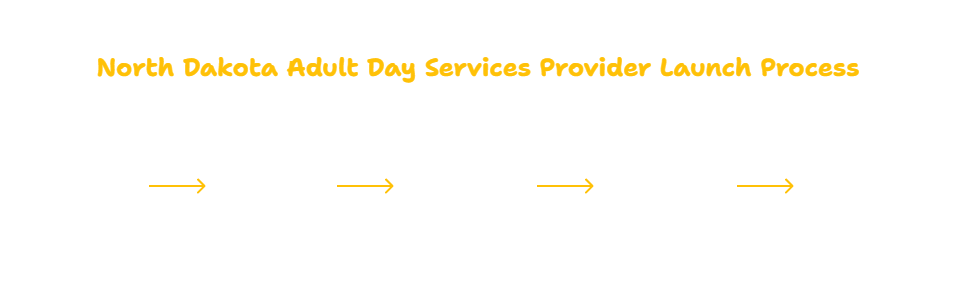
The timeline for these phases is extensive and requires meticulous preparation. Agencies should anticipate the following phases:
- Business Formation and Compliance Preparation: 1–2 months for entity registration and initial policy drafting.
- Staff Hiring, Credentialing, and Program Development: 2–3 months for talent acquisition and staff training.
- North Dakota Medicaid Provider Enrollment and Readiness Review: 60–90 days for state-level evaluation.
- Medicaid Billing Setup and Service Launch: 30–45 days to finalize billing protocols and begin operations.
During these windows, providers must ensure all documentation—ranging from background check records to infection control plans—is readily accessible for review by state auditors.
What Are the Essential Staffing and Competency Standards?
The quality of an Adult Day Service program is fundamentally tied to the expertise of its staff. Roles must be filled by professionals who meet specific educational and experiential benchmarks. The Program Director, for instance, is generally expected to hold a Bachelor’s or Master’s degree in social work, healthcare administration, or gerontology, backed by prior experience in adult day care management.
Beyond leadership, the interdisciplinary team must include:
- Activity Coordinators: Individuals with demonstrated experience in recreational therapy and group facilitation.
- Personal Care Aides (PCAs): Personnel holding valid certifications in direct care or personal assistance.
- Registered Nurses (RNs): Licensed professionals tasked with chronic disease management and complex health monitoring.
Every staff member is required to participate in ongoing professional development. Mandatory training areas include HIPAA compliance, participant rights, emergency response and crisis management, infection control, and rigorous documentation standards for Medicaid billing compliance.
Frequently Asked Questions
Which Medicaid Waivers Cover Adult Day Services in North Dakota?
Adult Day Services are currently accessible under the Aged and Disabled Waiver, the Technology Dependent Waiver, the Developmental Disabilities Waiver, and the standard Home and Community-Based Services (HCBS) Waiver.
What Documentation Must an Agency Maintain for Compliance?
Agencies must maintain a comprehensive policy manual covering staff credentialing, safety protocols, HIPAA compliance, grievance procedures, and detailed records of daily attendance, activities, and clinical care provided to participants.
What is the Role of the North Dakota MMIS in Provider Enrollment?
The North Dakota Medicaid Management Information System (MMIS) serves as the central portal for submitting provider enrollment applications, managing service authorizations, and processing claims for Medicaid reimbursement.
WAIVER CONSULTING GROUP’S START-UP ASSISTANCE SERVICE — NORTH DAKOTA ADULT DAY SERVICES PROVIDER
WCG supports agencies in launching Medicaid-compliant Adult Day Services in North Dakota, offering:
- Business registration, Medicaid enrollment, and licensing assistance
- Policy manual development for activity planning and client safety
- Staff credentialing, training program templates, and compliance documentation
- Medicaid billing setup and audit-prepared financial management
- Branding, website development, and client outreach strategies
- Quality assurance systems for adult day care and compliance monitoring
- Collaboration with healthcare providers and community organizations
Key Takeaway: Successfully operating an Adult Day Service in North Dakota necessitates a disciplined approach to regulatory compliance, a commitment to specialized staffing, and the development of robust, documented internal protocols that prioritize the well-being of the participant while strictly adhering to NDDHS and Medicaid billing standards.
Our Client Portal offers a wealth of resources that you can explore related to various programs and state requirements.
Last verified: 05/20/2024. This information is intended for educational purposes only and does not constitute legal or professional consulting advice. Rules and regulations governing North Dakota Medicaid HCBS waivers are subject to change. Consult directly with the North Dakota Department of Human Services (NDDHS) or a qualified professional before making business decisions.