ADULT DAY SERVICES PROVIDER IN IDAHO
By Fatumata Kaba · 2025-07-17 · 5 min read
SUPPORTING SOCIALIZATION, HEALTH, AND DAILY LIVING SKILLS IN A COMMUNITY-BASED SETTING
Adult Day Services in Idaho provide essential, structured daytime care for individuals with disabilities, chronic illnesses, or age-related needs, serving as a critical component of the state’s Home and Community-Based Services (HCBS) ecosystem. By offering a supervised environment that promotes community integration, these programs not only improve the quality of life for participants but also offer vital respite for primary caregivers.
What is the Regulatory Framework for Adult Day Services in Idaho?
Operating an Adult Day Service in Idaho requires navigating oversight from both state and federal authorities. The Idaho Department of Health and Welfare (IDHW), specifically the Division of Medicaid, serves as the primary governing body responsible for provider enrollment, service authorization, and the reimbursement processes that sustain these programs.
At the federal level, the Centers for Medicare & Medicaid Services (CMS) provides the overarching regulatory framework. CMS ensures that all Idaho Medicaid HCBS waiver programs adhere to strict standards regarding community integration, participant rights, and person-centered service delivery. Providers must align their operations with these guidelines to maintain Medicaid eligibility and secure consistent funding.
How Do Providers Deliver High-Quality Adult Day Services?
Adult Day Services function by providing supervised, structured support in a professional facility, moving care away from an institutional setting and into the community. Each participant’s experience is uniquely tailored to their specific needs and preferences, as explicitly documented in their Individualized Service Plan (ISP).
To ensure comprehensive care, providers are expected to facilitate a wide range of services. Core operational requirements include:
- Assistance with Activities of Daily Living (ADLs) and Instrumental Activities of Daily Living (IADLs)
- Basic, non-invasive health monitoring under non-nursing supervision
- Structured recreational, social, and educational programming
- Nutritional services, including the provision of meals and snacks
- Community outings designed to foster integration and social engagement
- Personal care, non-skilled medication reminders, and mobility assistance
- Respite care to support the needs of family caregivers
What Are the Essential Steps for Facility and Business Approval?
Becoming an approved Medicaid provider in Idaho involves a systematic approach to business formation and regulatory compliance. Initially, a provider must establish a legal business entity with the Idaho Secretary of State and secure a federal Employer Identification Number (EIN) and a Type 2 National Provider Identifier (NPI). These are the foundational credentials required for all subsequent administrative steps.
Beyond the paperwork, physical facilities must undergo rigorous scrutiny. Providers must ensure that their premises are fully compliant with local safety, health, and occupancy codes. Once the business foundation is laid, the prospective provider must enroll through the Idaho Medicaid Provider Enrollment system, submitting detailed evidence of their operational policies, insurance coverage, and commitment to the HCBS Final Rule standards.
How Is the Medicaid Provider Enrollment Process Managed?
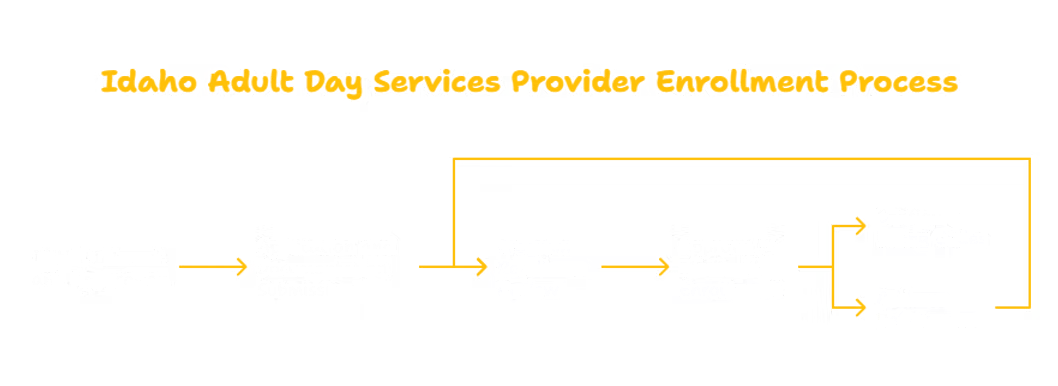
The enrollment journey is a multi-phase process managed through the Idaho Medicaid Management Information System (MMIS). After submitting the initial application, providers must prepare a comprehensive suite of documentation. This includes proof of business registration, staff qualification records, detailed floor plans of the facility, and an extensive Policy and Procedure Manual. This manual must demonstrate a clear grasp of HIPAA compliance, participant rights, and emergency preparedness.
Following the document submission, the IDHW performs a Program Readiness Review. This audit evaluates whether the provider is prepared to deliver services according to Medicaid standards. During this phase, administrators must demonstrate that their billing systems are ready for the complexities of hourly or daily Medicaid claims and that their staff are adequately trained to protect the welfare and rights of all participants.
What Are the Staffing and Training Mandates?
Effective programming relies on a qualified and well-trained workforce. The program manager or administrator must possess verifiable experience in human services, healthcare, or senior services and must pass a background screening. Similarly, direct support staff and activity coordinators must hold a high school diploma or GED, maintain current CPR and First Aid certifications, and successfully clear all required background checks.
Ongoing staff development is a non-negotiable requirement for maintaining program accreditation. All employees must undergo training in the following areas:
- HIPAA confidentiality and the protection of participant rights
- Emergency preparedness, infection control, and abuse prevention
- Implementation of participant-centered planning and community integration strategies
- Annual refresher courses on safety protocols and evolving Medicaid compliance requirements
Frequently Asked Questions
Which Medicaid waivers currently authorize Adult Day Services in Idaho?
Adult Day Services are primarily authorized under the Aged and Disabled (A&D) Waiver and the Developmental Disabilities (DD) Waiver, the latter of which specifically covers community-based day supports.
What is the typical timeline for launching a new program?
The launch process is estimated to take between 5 and 9 months, including 1–2 months for business formation, 1–2 months for staff hiring and development, 60–90 days for Medicaid enrollment and readiness reviews, and 30–45 days for billing system configuration.
What documentation is required for the audit-ready Policy and Procedure Manual?
The manual must include protocols for participant intake and assessment, ADL support, medication reminder procedures, emergency and disaster plans, grievance handling, staff credentialing records, and robust systems for tracking attendance and managing Medicaid claims.
Waiver Consulting Group’s Start-Up Assistance
WCG supports adult day centers, community-based organizations, and disability service providers in launching Medicaid-compliant Adult Day Services under Idaho’s HCBS waiver programs. The scope of professional assistance covers essential setup tasks, including business registration and NPI acquisition, facility compliance guidance, and the development of comprehensive Policy and Procedure Manuals. Additionally, WCG provides templates for staff credentialing, participant intake, and daily service tracking, while assisting with Medicaid billing system integration and the development of quality assurance programs to ensure long-term operational success.
Key takeaway: Success as an Idaho Adult Day Services provider requires a dual focus on strict adherence to IDHW and CMS regulatory standards and the implementation of robust, person-centered operational policies that ensure participant safety and quality of life.
Last verified: September 2023. This information is for educational purposes and does not constitute legal or financial advice. Please consult with the Idaho Department of Health and Welfare or a qualified consultant for program-specific guidance.