ADULT DAY HEALTH (ADH) SERVICES PROVIDER IN MASSACHUSETTS
By Fatumata Kaba · 2025-08-07 · 5 min read
Adult Day Health (ADH) services in Massachusetts function as a vital community-based alternative to institutional care, providing clinically supervised daytime support for adults with medical or functional impairments. These programs are governed by strict regulatory frameworks set by the Massachusetts Department of Public Health (DPH) and the Executive Office of Health and Human Services (EOHHS), ensuring that participants receive high-quality nursing oversight, personal care, and therapeutic engagement while remaining in their homes.
Understanding the Regulatory Landscape for Massachusetts ADH Providers
Launching an Adult Day Health program requires a thorough understanding of the interagency relationships that govern the industry. The Massachusetts Department of Public Health (DPH) acts as the primary licensing and inspection authority, ensuring that all facilities adhere to the standards outlined in 105 CMR 158.000. Compliance with these regulations is not only a prerequisite for operation but a continuous obligation to maintain safety and quality standards for vulnerable populations.
Beyond licensure, MassHealth (Massachusetts Medicaid) serves as the primary payer and defines the clinical eligibility and operational standards for reimbursed services. Providers must also coordinate with the Centers for Medicare & Medicaid Services (CMS) regulations regarding Home and Community-Based Services (HCBS) waivers. Navigating these requirements demands a structured approach to clinical documentation, facility safety, and fiscal accountability.
What Are the Core Service Requirements and Operational Standards?
ADH centers are designed to support individuals who face chronic illness, cognitive decline, or physical disabilities that place them at risk of institutionalization. To be effective, programs must integrate medical supervision with social engagement, creating a balanced environment that promotes health, wellness, and community integration. The operational day typically spans five to six hours, with programming focused on preventing further functional decline.
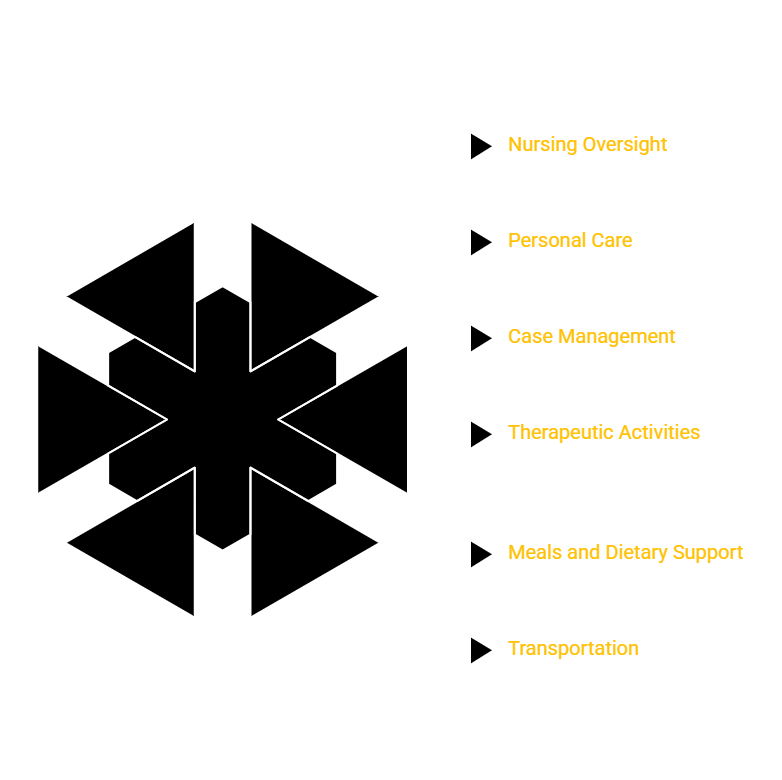
Core service requirements include:
- Skilled nursing services, including vital sign monitoring, medication administration, and complex wound care.
- Personal care assistance for activities of daily living (ADLs), such as bathing, dressing, and toileting.
- Comprehensive case management and care coordination with the participant’s primary care physician.
- Provision of nutritionally balanced meals and dietary support tailored to individual health needs.
- Therapeutic, recreational, and cognitive activities designed to enhance quality of life.
- Transportation coordination to ensure reliable access to the center.
The Step-by-Step Pathway to DPH Licensure
The licensure process is a rigorous undertaking that begins long before the doors open. Prospective providers must first establish their legal business entity, obtain a federal Employer Identification Number (EIN), and secure a Type 2 National Provider Identifier (NPI). This foundational administrative step is the prerequisite for all subsequent filings with the Commonwealth of Massachusetts.
Once the entity is formed, the focus shifts to site acquisition and facility buildout. The location must comply with local fire safety, ADA accessibility, and public health codes. The facility design must allocate sufficient space for specialized areas, including clinical rooms for nursing care, activity centers, dining areas, and quiet spaces for rest. Applicants must submit a comprehensive packet, including staffing plans, floor plans, infection control policies, and emergency preparedness strategies, before undergoing the official DPH on-site survey.
Navigating MassHealth Enrollment and Billing Protocols
Securing a contract with MassHealth is essential for financial sustainability. After obtaining DPH licensure, providers must enroll in the MassHealth provider network, which allows them to receive referrals from various managed care entities, including Senior Care Options (SCO) and Accountable Care Organizations (ACOs). Successful enrollment is contingent upon the provider's ability to demonstrate that their internal systems can meet all state clinical documentation requirements.
Billing is managed through the Long-Term Services and Supports (LTSS) Provider Portal. Providers must ensure that every service rendered is tied to a verified participant care plan and that all documentation is submitted with precision. MassHealth reimburses services based on defined acuity levels—Basic, Complex, and Transitional—each of which carries specific documentation burdens and regulatory expectations to justify the reimbursement rate.
Staffing, Training, and Clinical Documentation
Compliance under 105 CMR 158 mandates specific staffing levels to ensure constant clinical oversight. A registered nurse (RN) must be present for the full duration of operating hours to manage medical protocols. Additionally, the program must employ a dedicated activity director, a case manager (typically an LSW), personal care aides (CNA/HHA), and an administrative program director. This multidisciplinary team must work in concert to update participant records and maintain MAR logs.
Staff training is a non-negotiable component of operations. Every staff member must be proficient in:
- CPR, first aid, and the safe administration of medications.
- Universal precautions and advanced infection control protocols.
- Person-centered planning and techniques for managing complex behavioral health needs.
- Legal obligations regarding the reporting of elder abuse, neglect, and exploitation.
- Strict adherence to HIPAA regulations and clinical documentation standards.
Frequently Asked Questions
What is the difference between a "Basic" and "Complex" level of care in the ADH model?
MassHealth defines these levels based on the intensity of medical and functional support required. Basic care is intended for participants who need general nursing oversight and moderate assistance with ADLs. Complex care is reserved for participants who require intensive clinical interventions, such as frequent medication management, specialized wound care, or intensive monitoring due to severe cognitive or behavioral health impairments.
Can an ADH provider operate without an RN present for the full day?
No. According to 105 CMR 158, a Registered Nurse must be on-site during all operating hours. The RN is responsible for the clinical integrity of the program, including the assessment of participants, the development of care plans, and the ongoing supervision of medical services provided to all enrolled individuals.
How does an ADH center handle emergency preparedness?
Providers are required to develop and maintain a comprehensive emergency and disaster plan as part of their DPH licensure. This plan must address procedures for facility evacuations, communication strategies with families and medical providers, continuity of care during utility outages, and specific protocols for medical emergencies occurring within the center.
Key Takeaway
Success in the Massachusetts Adult Day Health sector requires a meticulous commitment to regulatory compliance, clinical excellence, and robust administrative organization. By aligning business operations with the mandates of the DPH and MassHealth, providers can build sustainable, high-impact programs that effectively bridge the gap between home and institutional care for the Commonwealth’s most vulnerable populations.
Last verified: October 2023. Disclaimer: This article is for informational purposes only and does not constitute legal or professional consulting advice. Regulatory requirements are subject to change, and providers should always consult current 105 CMR regulations and official MassHealth provider manuals before making business decisions.