ADAPTIVE EQUIPMENT SERVICES PROVIDER IN HAWAII
By Fatumata Kaba · 2025-07-16 · 5 min read
IMPROVING INDEPENDENCE, SAFETY, AND QUALITY OF LIFE THROUGH CUSTOMIZED EQUIPMENT SOLUTIONS
Adaptive Equipment Services in Hawaii allow individuals with disabilities, chronic conditions, or aging-related needs to access specialized devices that facilitate greater autonomy and safety in their daily lives. These services are authorized under Hawaii’s Medicaid Home and Community-Based Services (HCBS) waiver programs, playing a critical role in supporting community integration, mobility, and the reduction of caregiver burden.
Understanding the Regulatory Landscape for Adaptive Equipment Providers
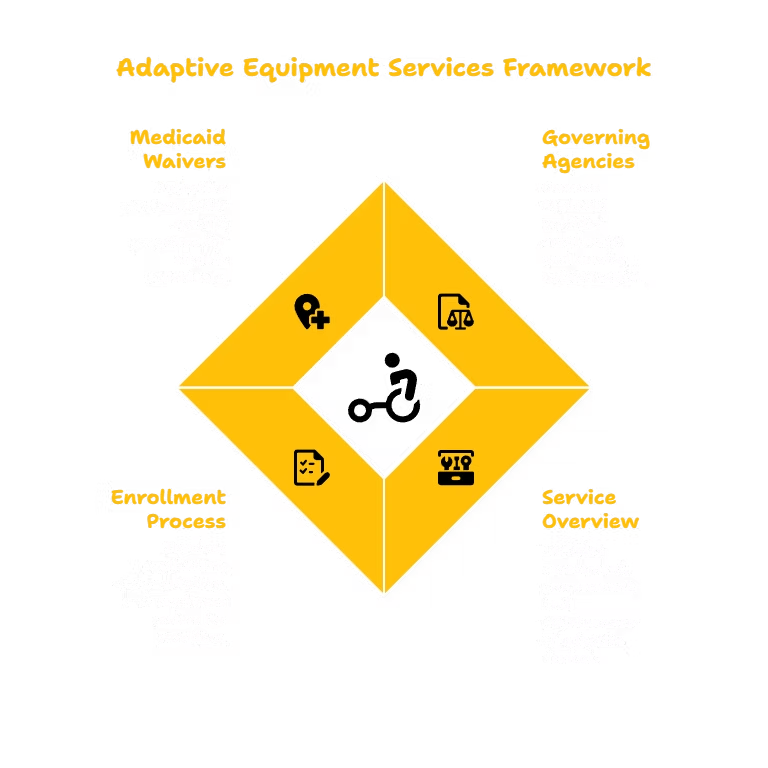
The provision of adaptive equipment within the Hawaii Medicaid system is governed by a collaboration between state and federal oversight bodies. The Hawaii Department of Human Services (DHS) Med-QUEST Division serves as the primary authority, overseeing provider enrollment, service authorization, and the reimbursement framework for these essential services. Simultaneously, the Department of Health (DOH) Developmental Disabilities Division (DDD) administers the specific HCBS waiver programs that connect participants with the necessary adaptive tools.
Federal oversight is provided by the Centers for Medicare & Medicaid Services (CMS). CMS establishes the overarching standards for HCBS waivers, ensuring that all equipment services provided promote functional independence and comply with federal quality and safety mandates. Navigating this multi-agency hierarchy requires a robust understanding of both state-specific policies and federal requirements to ensure long-term operational success.
- Hawaii DHS (Med-QUEST): Manages provider enrollment, billing compliance, and reimbursement.
- Hawaii DOH (DDD): Oversees the administration of waiver services for the DD/ID population.
- CMS: Provides federal regulatory standards and quality assurance oversight.
Core Scope of Adaptive Equipment Services
Adaptive Equipment Services encompass the entire lifecycle of an assistive device, beginning with a functional needs assessment and moving through to procurement, customization, delivery, and long-term maintenance. These services are not one-size-fits-all; they are specifically designed to address the unique health, mobility, and communication requirements of the individual participant, as outlined in their Individualized Service Plan (ISP).
Approved provider agencies are expected to deliver a comprehensive suite of supports, including but not limited to the professional setup of hardware and intensive training for both the participant and their primary caregivers. Because these devices are vital for a participant’s safety, the provider must also maintain clear protocols for ongoing repairs and rapid response to equipment malfunctions to ensure the participant remains safe in their home and community environment.
- Functional needs assessments for adaptive equipment.
- Recommendation, sourcing, and acquisition of appropriate devices.
- Customization and modification of equipment to fit the user.
- Delivery, professional setup, and thorough training on device usage.
- Ongoing repair, maintenance, and replacement support.
Establishing Your Agency: Licensing and Provider Approval Requirements
Before an agency can begin billing for Adaptive Equipment Services, it must satisfy a rigorous set of prerequisite requirements. The process begins with proper legal business formation through the Hawaii Department of Commerce and Consumer Affairs (DCCA), followed by obtaining an Employer Identification Number (EIN) from the IRS and a Type 2 National Provider Identifier (NPI). These are the fundamental administrative building blocks required to interact with the Medicaid system.
Beyond basic business registration, agencies must demonstrate high levels of operational competence. This includes securing commercial general liability and product liability insurance to mitigate risks associated with equipment usage. Agencies must also demonstrate the ability to employ or partner with subject matter experts, such as Assistive Technology Professionals (ATP) or licensed Occupational Therapists, to ensure that the equipment selected is clinically appropriate for the participant's specific functional goals.
The Med-QUEST/DHS Enrollment and Readiness Review Process
The journey to becoming an approved provider involves a structured application and evaluation process through the Med-QUEST Division. Applicants must submit a comprehensive enrollment packet detailing their service capacity, geographic service areas, and established vendor partnerships. The review process is designed to ensure that the provider has the infrastructure necessary to maintain high-quality service standards consistently.
During the program readiness review, DHS and Med-QUEST will examine the provider’s internal protocols. This includes assessing documentation systems, participant safety standards, and billing compliance mechanisms. Once the agency passes this review and is approved for enrollment, it must configure its systems to use the specific Medicaid billing codes authorized for adaptive equipment, ensuring that every evaluation, device acquisition, and training session is properly documented and reimbursable.
Staffing, Credentialing, and Documentation Standards
Staffing for an adaptive equipment agency must center on technical proficiency and a deep understanding of participant rights. Roles such as the Adaptive Equipment Program Manager or Specialist often require professional certification, such as the Assistive Technology Professional (ATP) designation, to ensure the clinical integrity of the equipment being supplied. All staff members, including technicians, must undergo rigorous background checks to protect vulnerable populations.
Documentation is the backbone of compliance. Providers must maintain a comprehensive Policy and Procedure Manual that covers every aspect of the service, from initial intake and assessment to emergency repairs and grievance handling. Adhering to these standards ensures that the provider remains audit-ready and capable of demonstrating that the equipment provided effectively supports the participant’s independence as intended by the HCBS waiver.
- Participant Intake: Standardized procedures for assessment and device selection.
- Training Documentation: Records of staff competency and participant instruction.
- Maintenance Logs: Detailed history of repairs and equipment performance.
- Compliance: HIPAA-compliant record-keeping and billing tracking.
Frequently Asked Questions
What types of equipment are typically covered under the Hawaii HCBS waivers?
Coverage generally includes equipment that enhances mobility, communication, and daily living, such as manual or power wheelchairs, specialized seating systems, augmentative and alternative communication (AAC) devices, environmental control units, and various adapted daily living aids.
How long should a new provider expect the enrollment process to take?
The timeline varies based on organizational readiness, but typical phases include 1–2 weeks for business formation, 60–90 days for the Med-QUEST readiness review, 30–45 days for staff and system setup, and 45–60 days for final billing configuration.
Are there specific insurance requirements for adaptive equipment providers?
Yes, providers are required to maintain commercial general liability insurance and, specifically, product liability insurance to cover the risks associated with the procurement, modification, and use of adaptive devices.
Key Takeaway
Launching an Adaptive Equipment Services agency in Hawaii requires a disciplined approach to regulatory compliance, clinical documentation, and operational readiness. By aligning agency policies with the standards set by Med-QUEST, the DOH Developmental Disabilities Division, and CMS, providers can ensure they remain eligible for Medicaid reimbursement while effectively improving the quality of life for Hawaii’s participants.
Last verified: 2024-05-22. This information is provided for educational purposes and does not constitute legal or professional advice. Always consult directly with the Hawaii Department of Human Services (DHS) or the appropriate Medicaid administrative office for the most current program guidelines and requirements.